
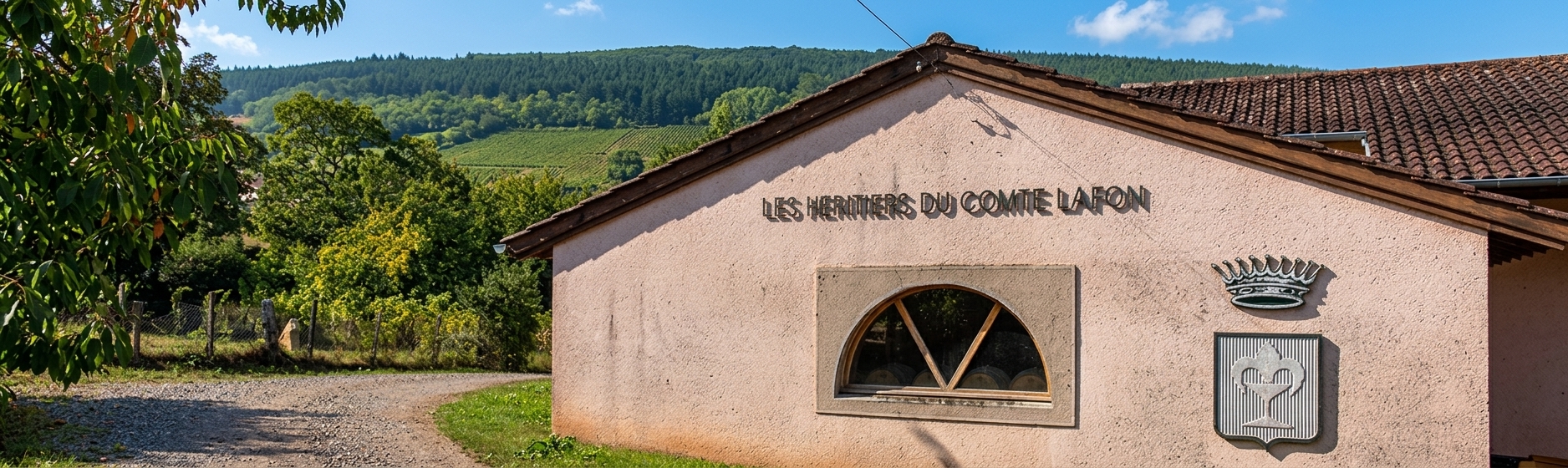
The Lafons in the Mâconnais
The name Lafon comes with its own arithmetic. A bottle of Domaine des Comtes Lafon Meursault Perrières is allocated by the case, priced for collectors and rarely opened young. The family’s Mâcon costs a fraction of that, is made in quantity and is meant to be drunk. The temptation is to read the second as an echo of the first: a famous name lent out to carry something modest. That is the wrong reading. The 2022 Mâcon-Chardonnay Clos de la Crochette from Les Héritiers du Comte Lafon is serious white Burgundy on its own terms. It is also a wine made at a moment of hand-over, in the family and in the cellar.
The house in Meursault
The Lafon story begins, as Burgundy stories often do, with a marriage. In 1894 Jules Lafon, a lawyer whose family came from south-west France, married Marie Boch, whose family owned vineyards in Meursault. Jules built on what came to him. He added parcels in Meursault and Volnay, and in 1919 bought about a third of a hectare of Le Montrachet. As mayor of Meursault he hosted the first Paulée in 1923, reviving the old harvest-end meal that has since become one of the great feasts of the wine world.
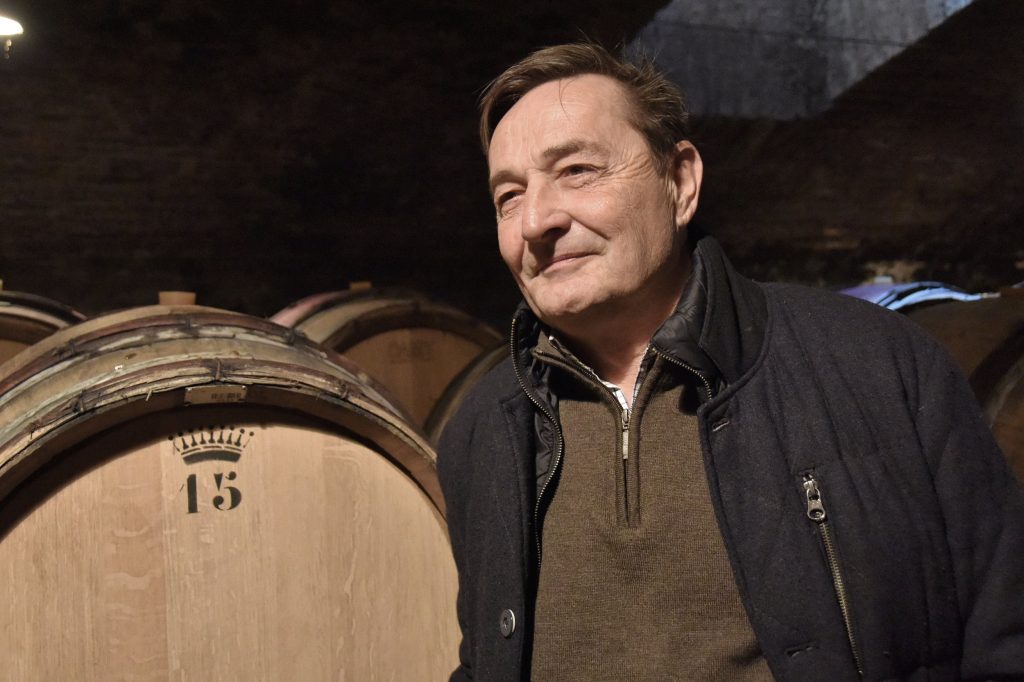
After his death in 1940 the estate nearly left the family. Sharecroppers worked the vines, and his son Henri wanted to sell. Jules’s grandson René refused, took charge in 1956 and began the slow work of restoring the vineyards. Dominique Lafon succeeded his father in the mid-1980s. As the sharecropping contracts expired, he brought the vineyards back under the domaine’s direct control; the last contract ended in 1993. He abandoned herbicides and moved towards biodynamic farming, which was established by the end of the decade. Perrières, Charmes, Genevrières and the walled monopole Clos de la Barre became reference points for what Meursault could be.
Regarded as one of France’s greatest winemakers, and dubbed by Sotheby’s as the ‘Maestro of Meursault,’ Dominique formally retired at the end of 2021. The succession was settled with unusual rigour: a head-hunting firm assessed five candidates from the next generation, and his daughter Léa and his nephew Pierre were chosen. They took full charge from 2022. Dominique has not vanished. According to Neal Martin of Vinous, the three still taste together every other week, though Dominique has stressed that the decisions are theirs.
Heirs in the south
In September 1999 Dominique bought around seven hectares at Milly-Lamartine, in the hills west of Mâcon, and converted them to biodynamics at once. He named the venture for his great-grandfather: Les Héritiers du Comte Lafon, the heirs of Count Lafon. It is easy now to forget how unusual this was. For much of the twentieth century, the Mâconnais was strongly associated with co-operative production and volume, rather than the individual expression of vineyard sites. Growers such as Jean-Marie Guffens and Jean Thévenet had already demonstrated what the region could achieve. But Lafon’s investment brought a prominent Côte d’Or name and a new level of attention to the area’s potential. Domaine Leflaive followed in 2004.
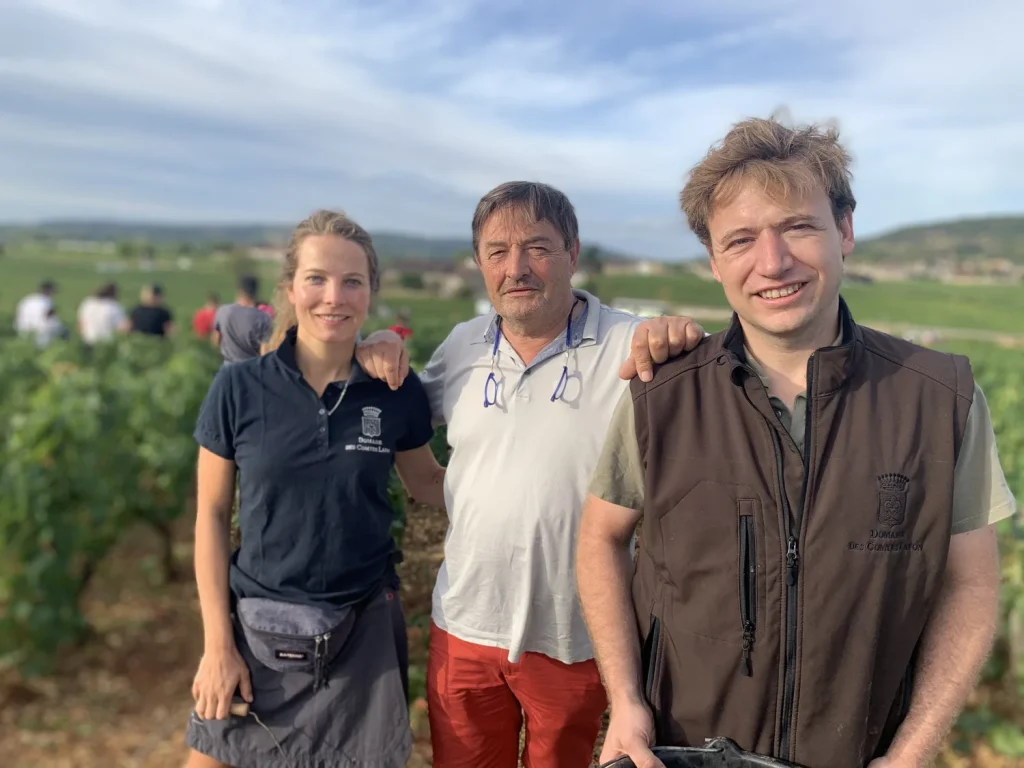
More land came: seven hectares in the villages of Chardonnay and Uchizy in 2003, a farming agreement for the vines of Château de Viré in 2009, parcels in Prissé, Saint-Véran and Pouilly-Fuissé from 2014. The estate now covers about 26 hectares. Since 2006, Caroline Gon, an agronomist and oenologist who worked at Newton in the Napa Valley, has run the cellar. The 2022 vintage was her last here. She now gives her time to Domaine Frantz Chagnoleau, the estate she runs with her husband, and her more than capable collaborator, Elsie Moore, has taken over the cellar.
Clos de la Crochette
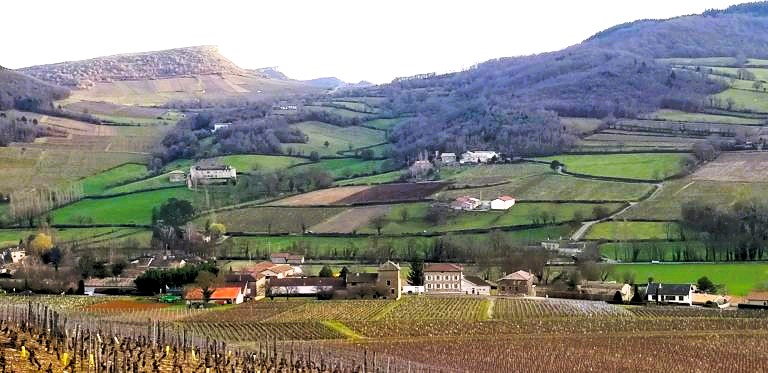
The clos sits in the commune of Chardonnay, in the northern Mâconnais near Uchizy. The village name derives from the Latin Cardonnacum. The grape very probably took its name from here, though the link cannot be proved.
The vineyard is a south-facing walled plot of about 2.6 hectares at 200 metres, on light, well-structured clay with limestone scree over solid limestone bedrock. The vines were planted in 1987.
The site pulls in two directions and that is the point. Its southern aspect brings warmth and early ripening; the limestone keeps the wines fresh and taut. The result combines ripe fruit with a structure and balance that prevent overt generosity and create wonderful tension.
The cellar work is restrained. Fermentation is on indigenous yeasts, about two-thirds in oval foudres of 45 to 48 hectolitres and the rest in demi-muids. The wine spends seven to eight months on fine lees and is racked before bottling. There is no new oak and no attempt to dress Mâcon up as Meursault.
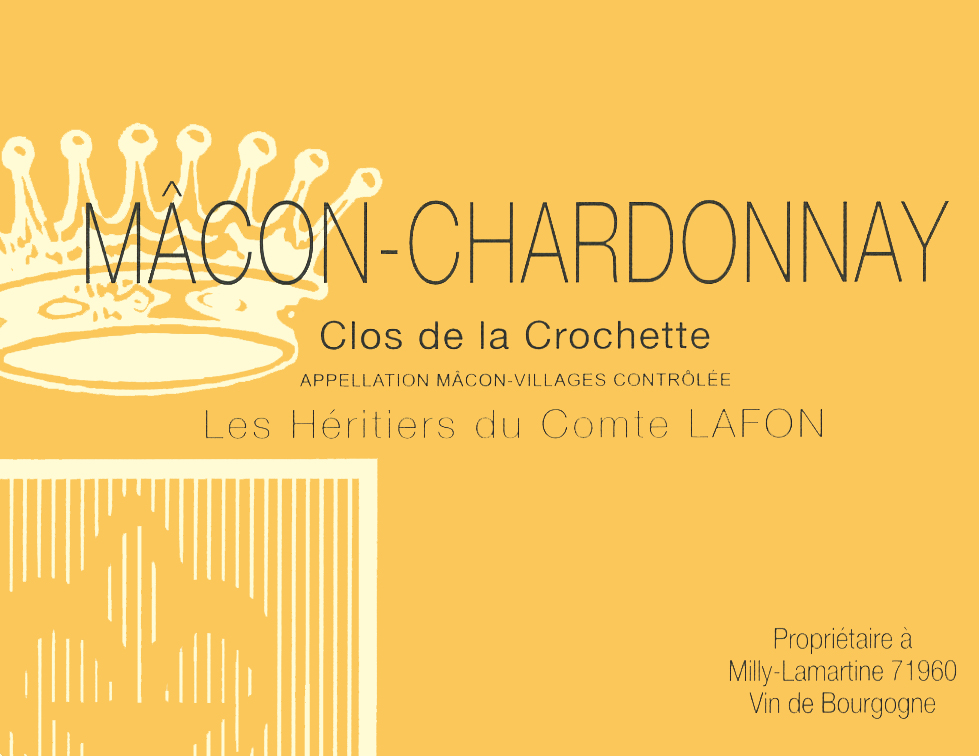
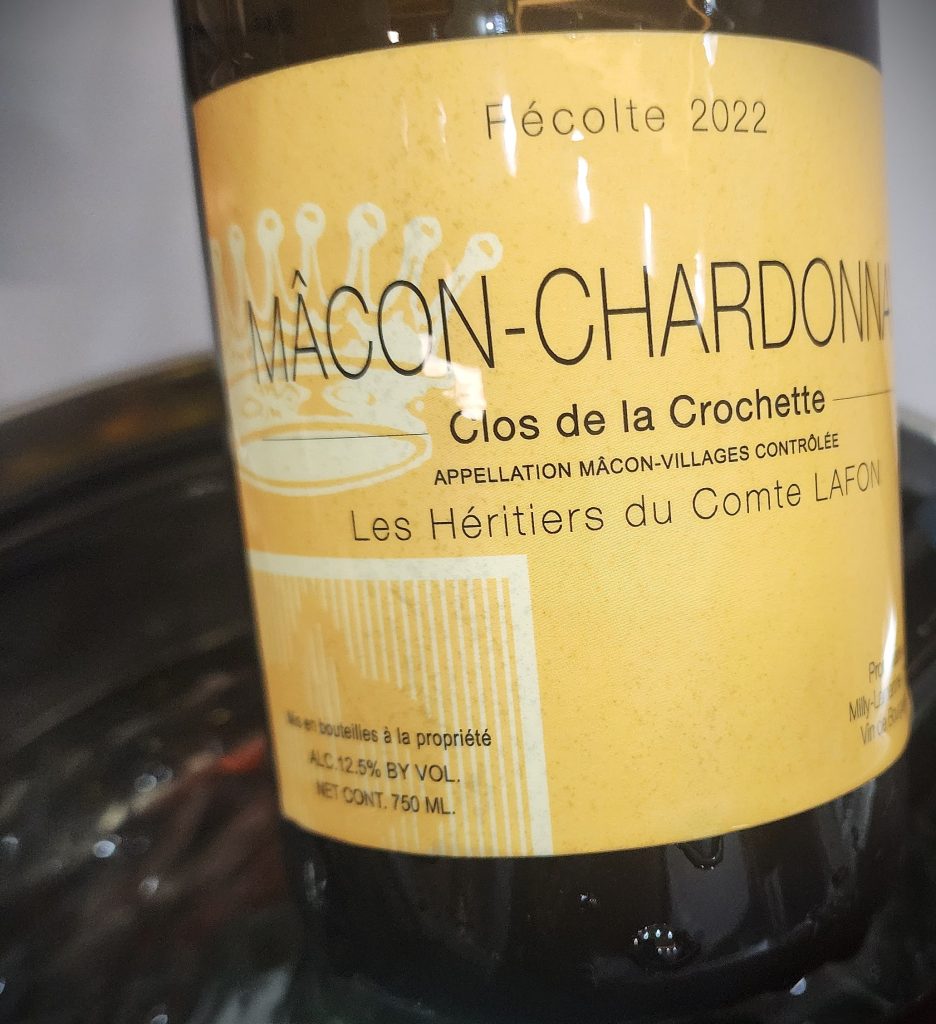
Heritiers Du Comte Lafon, Macon Clos De La Crochette, 2022
The 2022 was a warm and generous year. The Crochette showed some heat stress and was picked early to keep its acidity. It came in at 12.5% alcohol.
I recently tasted the wine with a small group of friends and connoisseurs; it was one of the very best amongst an impressive line-up on the night.
The colour is an intense lemon, edging towards dried straw. The initial bouquet offers up white peach and fig, followed by hazelnut, baked apple and a hint of crème brûlée. Light- to medium-bodied, the wine nevertheless has impressive intensity. Ripe stone fruit, wild honey, hazelnut and lemon curd carry through to a long, saline finish. Its balance, structure and complexity give it a presence beyond that which its modest appellation might suggest. This is one of the finest Mâcon wines I have tasted. Drink now to 2030. 91/100.
On paper, this could look like a wine trading on the equity of a famous name. In the glass, it offers something more substantial: a south-facing clos on limestone, farmed with care, and the expression of a family conviction now over a quarter of a century old in the Mâconnais. The 2022 was made as that conviction changed hands, in the family and in the cellar. None of it shows. The Lafon name, the wine argues, could mean as much in Milly-Lamartine as it does in Meursault.
Darren Gall
