Cambodia’s Living Cuisine
Chef Luu Meng
There is a saying in Cambodia that the Khmer people were born of the Naga, the seven-headed serpent of legend who rose from the sea when the gods married a daughter of their underwater kingdom to an ancient ruler of the land. The waters parted, the kingdom was revealed, and from that union came a people tied to rice paddies and river fish, coastlines and coconut groves, and the enduring alchemy of broth and spice. It is a fitting origin story for a chef whose entire life’s work has been to dive into those waters, salvage what was almost lost, and return it to the table.
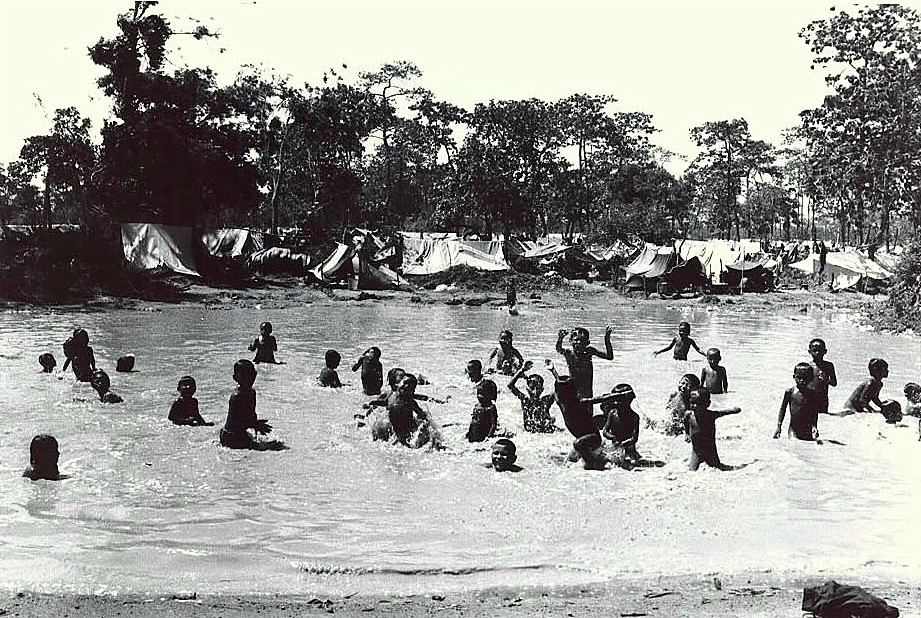
Luu Meng was three years old when his family fled the killing fields. His grandfather, who had once escaped Mao Zedong’s China to sell clocks and watches at Phnom Penh’s Central Market, gave them a single instruction: stay near the water. They followed his advice across the border into a United Nations refugee camp in Thailand, where Meng grew up as the eldest of three children. The water saved them. It would, in time, become the medium through which he would feed a country.
By the early 1980s, the family had returned to Phnom Penh, settling near Orussey Market. His mother, Diep Cheang, ran a celebrated ‘banh chao’ shop on Sothearos Boulevard; his grandmother, before the Khmer Rouge erased so much of what had been, had cooked in the kitchens of the Royal Palace. Meng grew up among their pots and spice mortars, learning what Cambodians call Mama Food — the dishes that Khmer mothers conjure from almost nothing, as though devotion itself were an ingredient. He never forgot the lesson. To this day, when he speaks of his mother’s cooking, his voice softens to something close to reverence.
He began his professional life in 1993 as a trainee at the Sofitel Cambodiana, rising to sous chef within two years. The decade that followed took Meng through the kitchens of Singapore and Malaysia, through the great five-star hotels of Sofitel and Sunway, where he refined his technique and broadened his palate. But Cambodia was calling him home, and in the mid-2000s, he opened Malis, the country’s first Cambodian fine-dining restaurant.
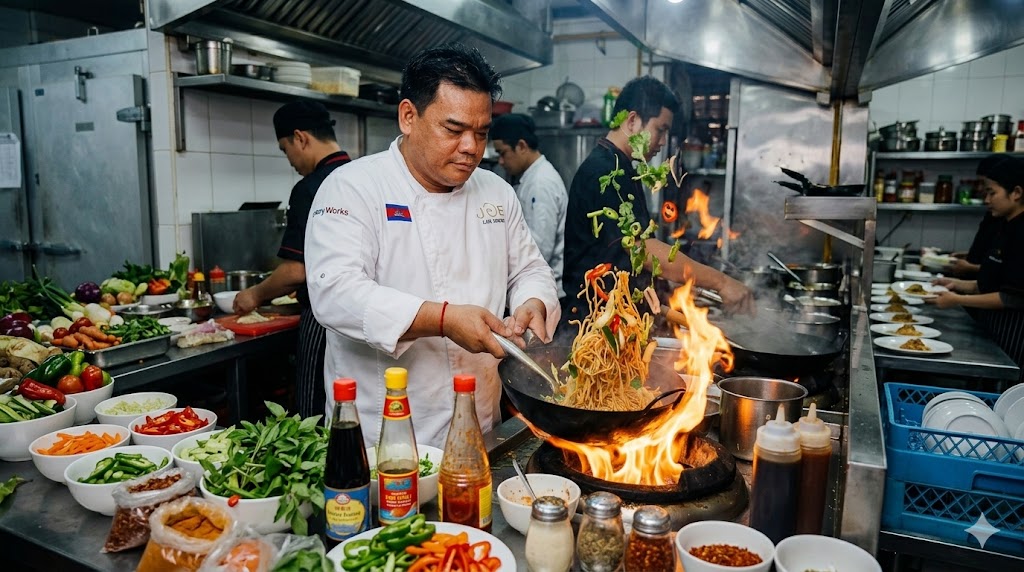
To build its menu, he disappeared for six months. He travelled the kingdom, village by village, province by province, tracking down dishes spoken of only by grandmothers, recipes that lived nowhere except in someone’s memory. The wars and the regime had nearly extinguished a cuisine once said to be among the oldest and finest in the world. The Angkorian temples hinted at a refinement long gone, a magnificence that could only be imagined. Meng set out to rebuild it — not as a museum piece but as something breathing. He called his style “Living Cambodian Cuisine”: a kitchen that honours its past, accepts the influences of its neighbours, and continues to evolve and create its own future. Every month, even now, he introduces a new dish to his team of chefs, briefing the entire staff, front and back of house, on its provenance and meaning.
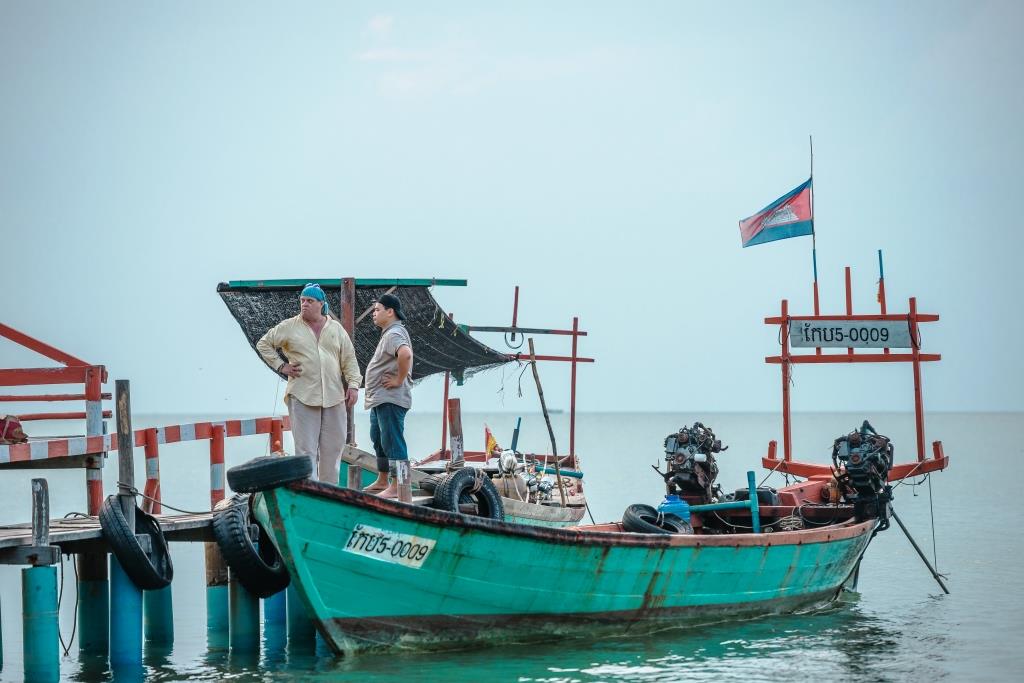
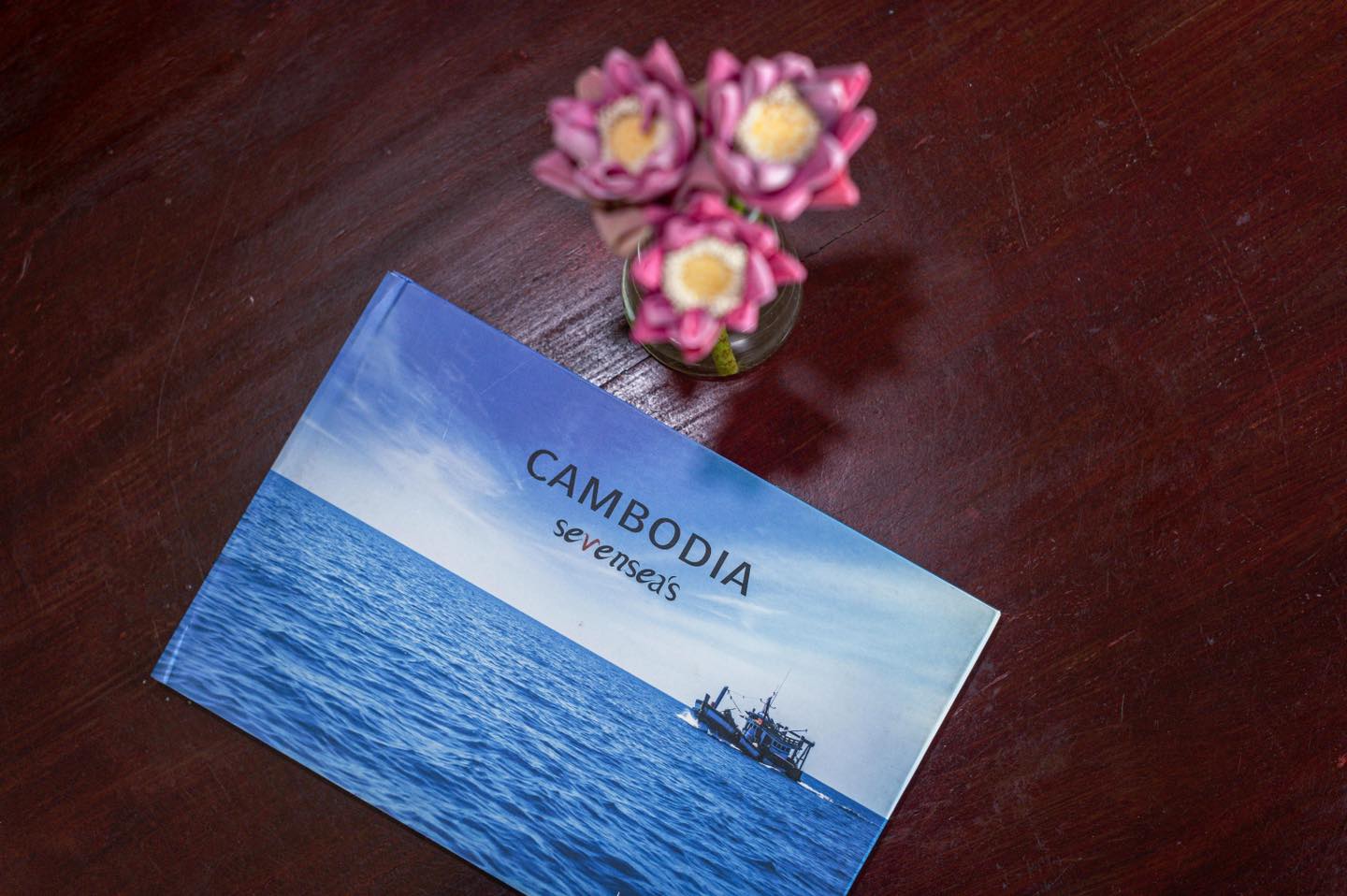
The recognition came and kept coming. In 2012, the French government awarded him the “Ordre National du Mérite Agricole” — the Order of Agricultural Merit — for “his creation of Cambodian nouvelle cuisine and building a bridge to other culinary cultures.” Two years later, he was named Asia’s Top Chef by the lifestyle magazine ‘Top 10 of Asia’. He has cooked for kings and prime ministers, movie stars, and business moguls, for Anthony Bourdain and Gordon Ramsay, who featured him as a guest chef on “Gordon’s Great Escape.” He is referred to simply as Cambodia’s Master Chef, and he carries the honorific title Oknha. He is co-author of cookbooks — ‘Cambodia’s Top Tables’, written with Clive Graham-Ranger and featuring fifty-two restaurants across the kingdom. “Cambodia’s Seven Seas,” was co-written with this author, as we travelled and cooked our way along the country’s mythic coastline.
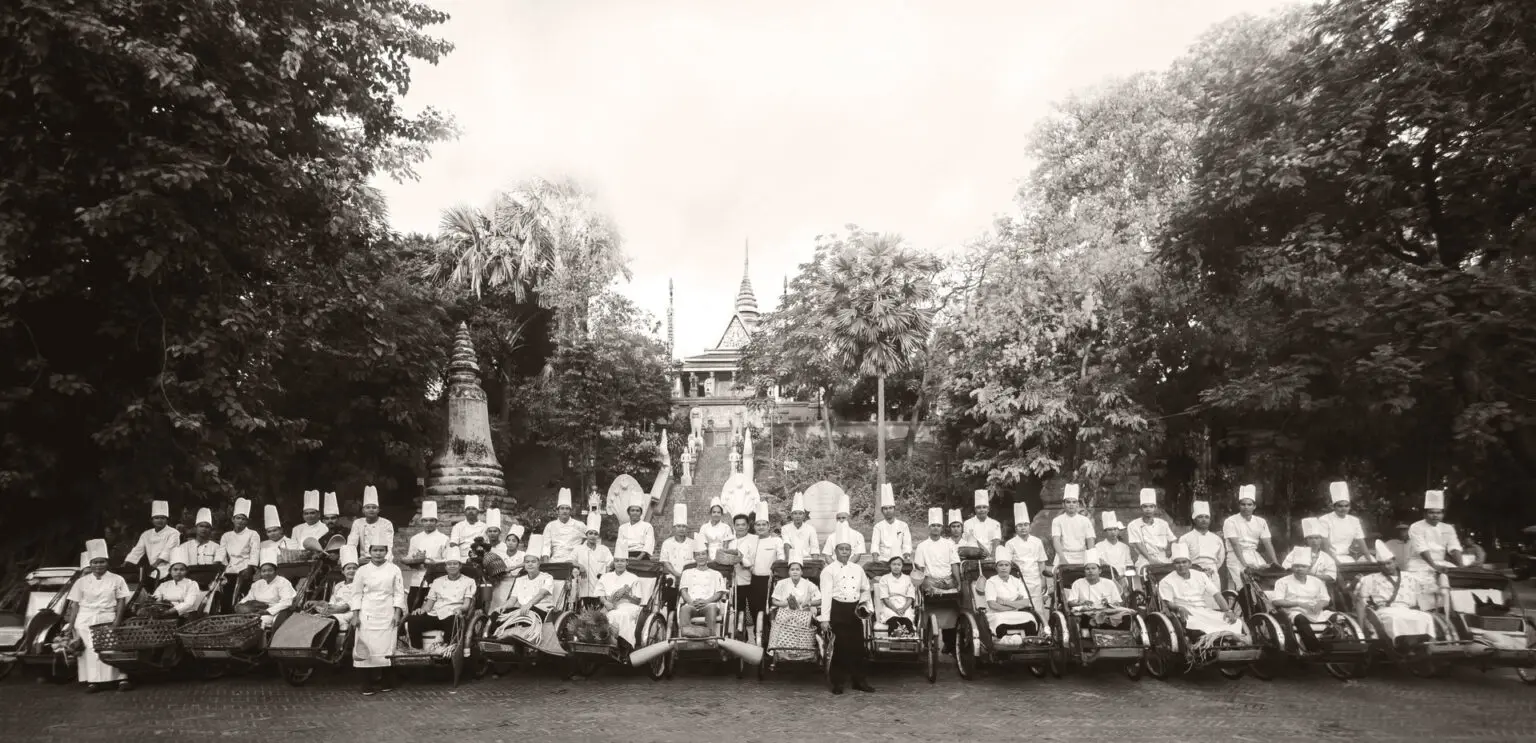
His group of restaurants now stretches across Phnom Penh and beyond: Yi Sang, Sevensea, Malis, Uy Kuyteav and more. As CEO and co-founder of Almond Hospitality (alongside his wife and partner, Berly) and as a director of Thalias Group, he employs hundreds. As a past president and active leader in the Cambodia Tourism Federation, the Cambodian Hotel Association, the Cambodia Chef Federation, and the ASEAN Hotel Association, he carries his industry on his shoulders. But the most telling measure of the man is in the smaller, quieter gestures. When COVID-19 closed Cambodia, he partnered with Princess Norodom Arunrasmy’s Muditha Foundation to deliver food hampers to the hardest-hit communities. With the GX Foundation in Hong Kong and Cambodia’s Ministry of Health, he supports free medical clinics across the country, including a cataract blindness elimination program now underway in Kampong Speu province. In 2024, he staged what may be the most exceptional Cambodian charity dinner ever held — a HK$200,000-per-table evening built entirely around PGI-certified Cambodian ingredients, raising funds for medical aid and celebrating the China–Cambodia Year of People-to-People Exchanges.
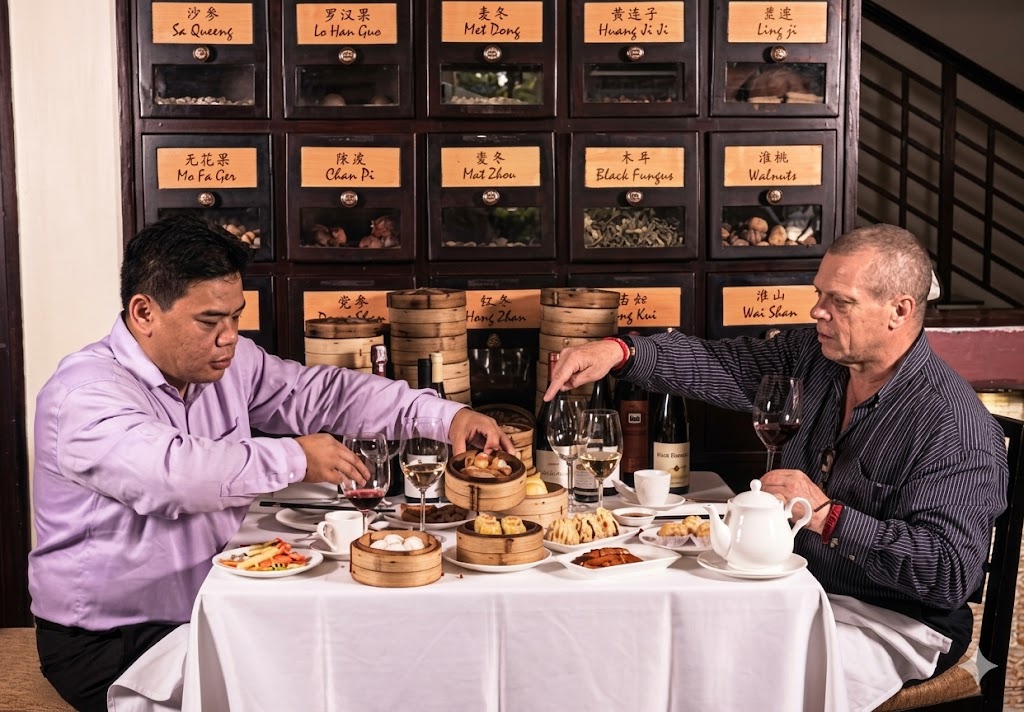
If you ask him, though, he will likely speak not of the dignitaries who sat at those tables but of the farmer who grows the rice. He started a national rice competition; the winning grain has since been crowned the world’s best rice seven times. He champions Kampot pepper, revered in the great kitchens of Europe since the days of Indochine. He has elevated Ambok — the pounded young rice once eaten only as a humble snack — into the centrepiece of fine-dining dim sum, telling his guests, “I am proud to show how Cambodian and Chinese culinary traditions can blend seamlessly through the soul of our fields.” Every menu is an argument for a Cambodian farmer, a Cambodian fisherman, a Cambodian potter, a weaver and a salt-maker. The supply chain is itself a love letter.
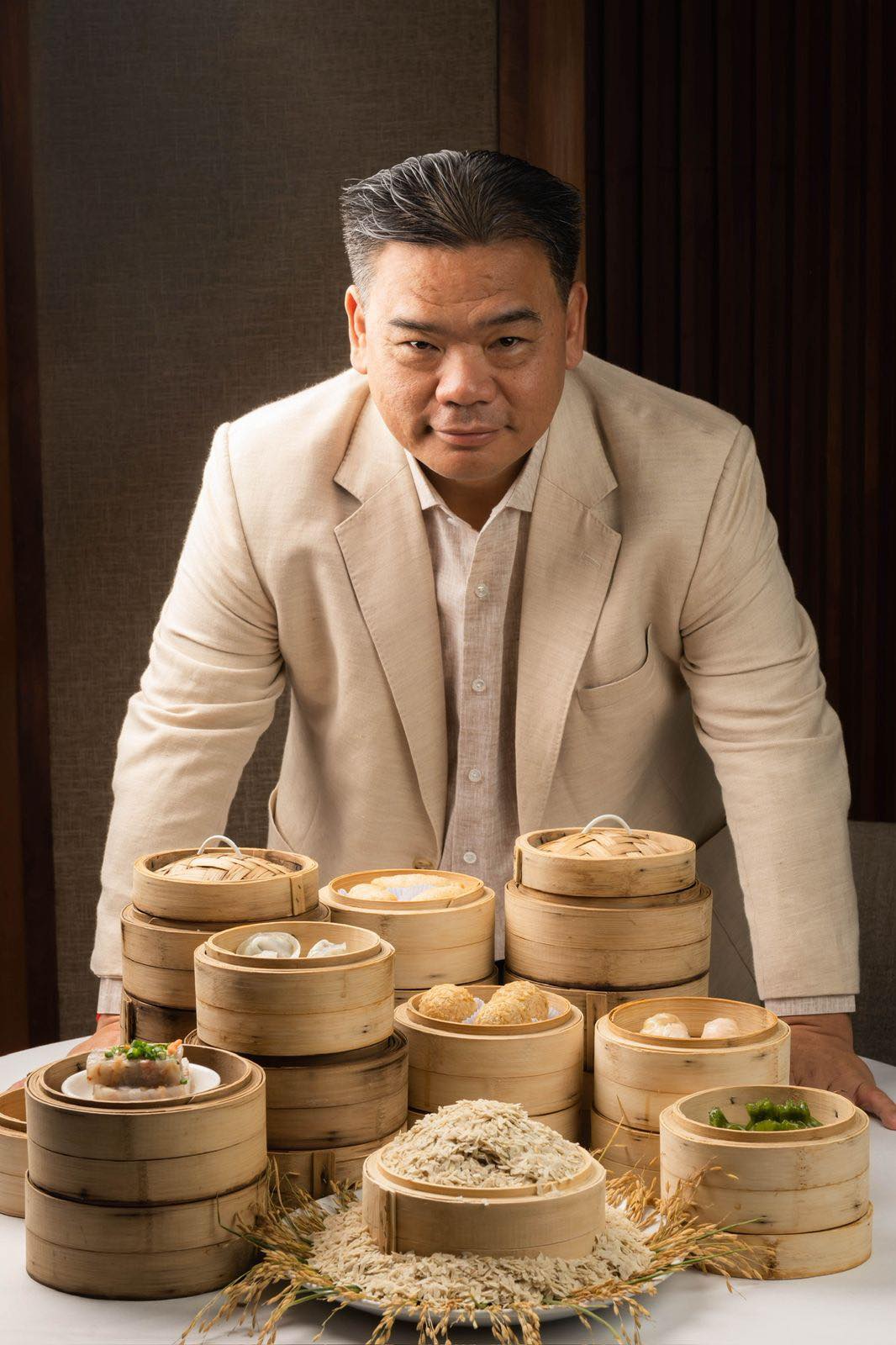
And then there is the gift he gives most freely, which is the table itself. He is famous in his own restaurant for breaking the formality of a ceremony with a joke about how a new recipe will lengthen your life by seven days, or for inviting a guest to suggest a dish and promising to make it next week. He is generous, inclusive, and restless.
As a collaborator and friend, this writer has said of Chef that “Meng’s dreams are for his industry, his country and for its people,” and that his unshakeable faith in people is itself part of his recipe. That faith is what fills his rooms — with farmers and ministers, chefs and children, old friends, and first-time diners — all leaning toward the same fragrant centre.
“Hospitality,” Meng has said, “is the art of making people feel at home — wherever they are.” It sounds simple. So does staying near the water. But behind that simplicity is a lifetime of work, a kingdom rediscovered, and a chef who has spent his entire career convincing his country that what it carries on its plates is worth the world’s attention.
The world increasingly agrees.
Darren Gall