
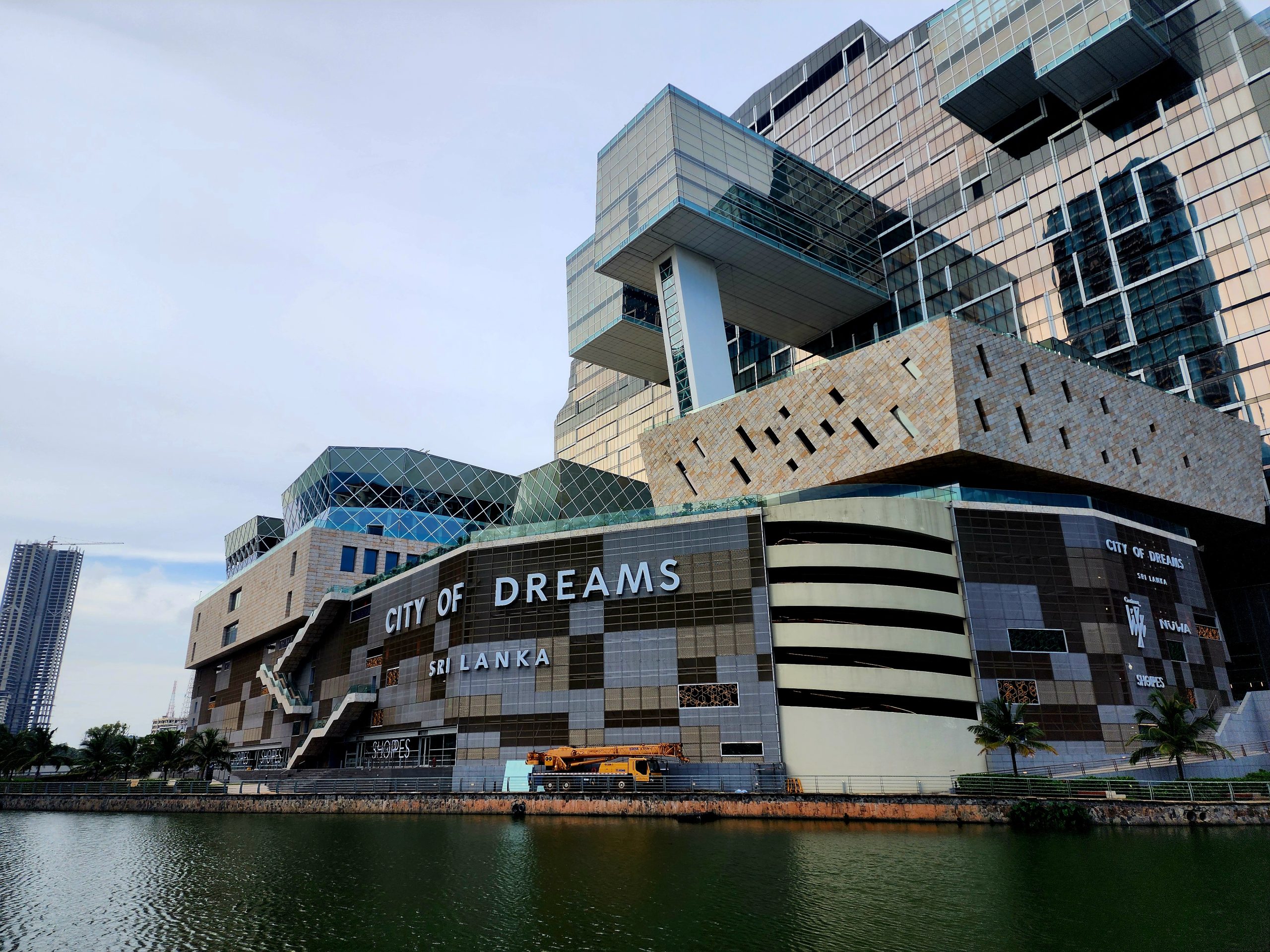
A Cinnamon Life
Sri Lanka is cinnamon: the birthplace of this spice, and its natural producer in its finest form, taste, and scent. Cinnamon permeates all life in Sri Lanka — the island produces over 80% of the world’s premium “true” or Ceylon cinnamon. The spice shapes the nation’s culture, from the hand-peeled quills used in traditional Ayurvedic medicine and curries, to major city landmarks like Colombo’s Cinnamon Gardens neighbourhood, and the name of the luxurious lodgings where I stayed, the Cinnamon Life Hotel. To come to Sri Lanka is to be surrounded by it, immersed in it — to smell it, taste it, breathe it, feel it soaking into your pores. To be in Sri Lanka is to be living a cinnamon life.
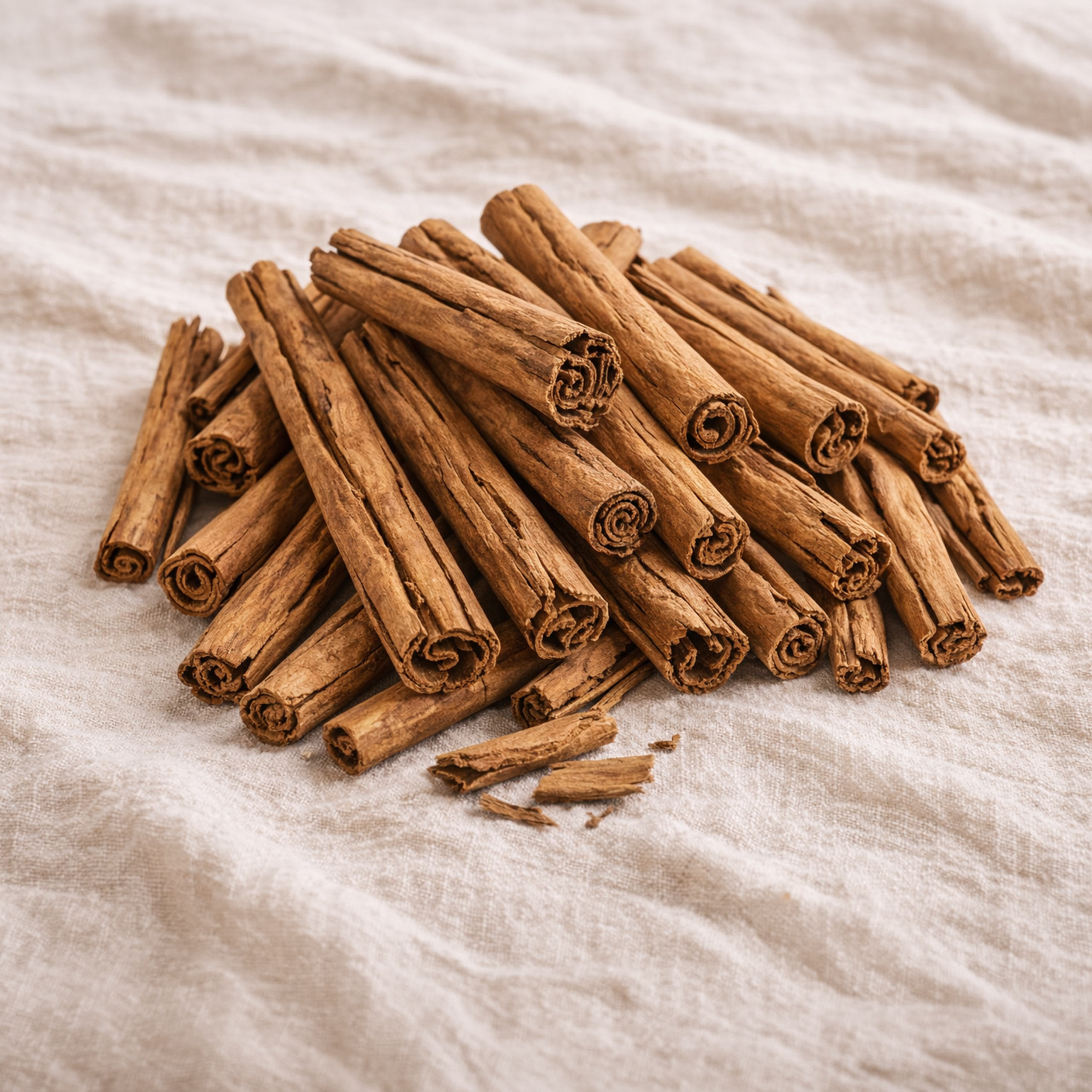
Cinnamon is one of the world’s oldest spices, its history shrouded in tales of adventure, myths, lies, and deception. On my first visit to Sri Lanka, I was determined to track it down, inhale it, and ingest it whenever I could.
The Egyptians imported and prized cinnamon as early as 2000 BCE. It was so expensive that it was initially used only for religious temple offerings, medicinal remedies, and mummification. Its natural antimicrobial properties made it perfect for embalming: cinnamon was crushed and combined with other aromatics like myrrh and frankincense to mask odours and preserve bodies. Pharaohs and priests frequently burned cinnamon bundles to honour their gods, believing the sweet smoke carried a divine spiritual essence. The famous Ebers Papyrus (c. 1550 BCE) detailed a medical recipe calling for a blend of cinnamon, figs, and honey to treat stomach aches.
Ancient Greece valued cinnamon as a rare luxury. Imported via Arabian and Phoenician spice routes, it was used in perfumes and religious offerings — such as at the temple of Apollo at Miletus — and to flavour wine. Hippocrates, “the Father of Medicine”, listed cinnamon in his treatises on healing plants. The word cinnamon itself originates from the Greek kinnamomon.
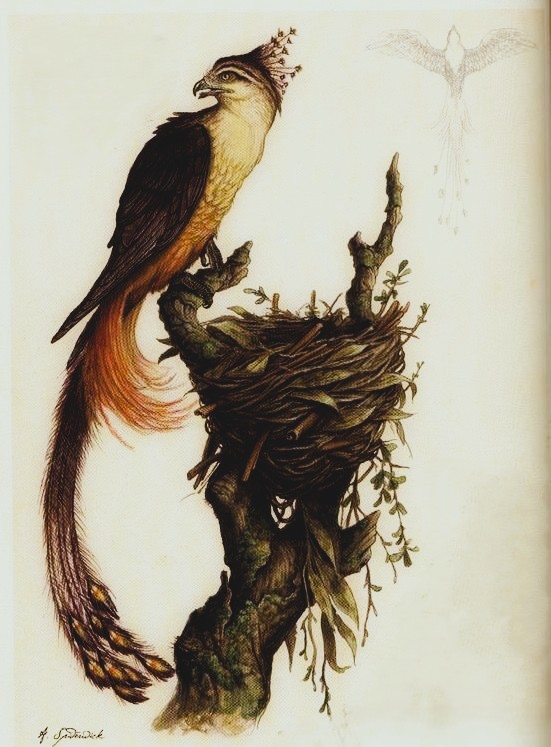
To keep the origin of cinnamon secret, Arab traders invented fantastic stories about how they obtained their supply, protecting their monopoly for centuries. In the most common myth, later recorded by the Greek historian Herodotus, giant birds collected cinnamon sticks from an unknown, distant land to build their nests — massive structures perched high on sheer cliffs that no human could climb. To harvest the spice, traders cut up large pieces of heavy ox meat and left them at the base of the mountains. The birds carried the meat up to their nests, and the fragile structures collapsed under the weight and plummeted to the valley floor, where the traders gathered the fallen cinnamon sticks and exported them to eager markets. A related tale — told of cassia — claimed the spice grew in shallow lakes guarded by fierce, winged, bat-like creatures that attacked anyone who approached. Such legends ensured that prices remained high and warded off potential competitors.
In ancient Rome, cinnamon was a rare status symbol more valuable than gold. It was used primarily for medicine, sacred temple offerings, and expensive funeral pyres rather than baking, and it was so revered that emperors hoarded it in their treasuries. In 65 CE, following the death of his second wife, Poppaea Sabina, Emperor Nero reportedly burned a massive amount of cinnamon on her funeral pyre — by Pliny the Elder’s account, a whole year’s supply — as a grand display of his power and the depth of his grief.
The secret of cinnamon’s origin held for centuries — until the Portuguese, led by Lourenço de Almeida, landed in Sri Lanka in 1505 and quickly realized the immense value of the island’s spice bounty. In 1518, they established fortresses to control the coastal trade, then instituted a brutal monopoly, forcing the indigenous Sinhalese people — specifically the Salagama caste, who were traditionally weavers — to harvest and peel wild cinnamon under gruelling and often violent conditions.
In the mid-17th century, the Dutch East India Company (VOC) allied with the Kingdom of Kandy to oust the Portuguese. The Dutch took over and strictly enforced the monopoly, imposing harsh punishments on anyone caught trading or possessing cinnamon outside their control. Facing dwindling wild supplies, Dutch governor Iman Willem Falck pioneered the commercial cultivation of cinnamon around Colombo in the late 18th century, transforming it from a foraged wild plant into a heavily managed plantation crop.
At a wine-tasting masterclass I conducted, a Mexican guest told me that cinnamon was her favourite spice — she had travelled to Sri Lanka purely because she loved it so much, she had to see its source first hand. (Fittingly, I would later learn that one of Ceylon cinnamon’s grades is called Mexican.) As someone guided by smell and taste for a living, I was intrigued and needed to find out more. Now, enveloped in the island’s scent myself, I understood exactly what one 17th-century Dutch captain meant when he wrote:
“When one is on the leeward side of the island, one can smell the fragrance of its cinnamon from eight leagues out to sea.”
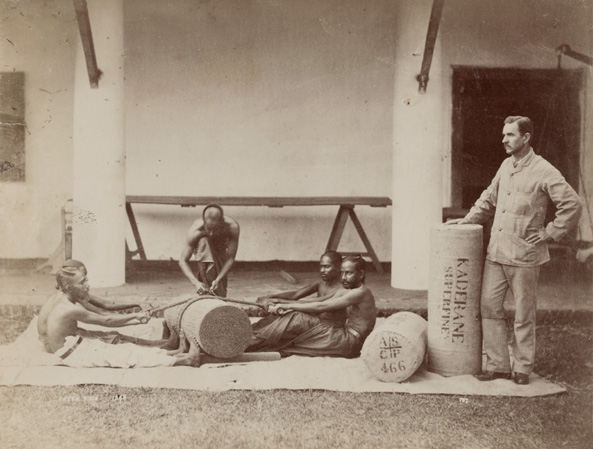
The British seized control of Sri Lanka’s maritime provinces in 1796 and fully absorbed the island into their empire by 1815. Under British rule, the caste-based labour system and strict government monopolies were gradually dismantled in favour of a free-market system. The spice lost some of its economic dominance as cassia, a cheaper alternative, entered the global market, but Ceylon cinnamon remained a vital export.
When Sri Lanka regained its independence in 1948, it took full ownership of its historic cinnamon lands. Today, the island produces the vast majority of the world’s supply of pure, true Ceylon cinnamon, and the spice remains deeply ingrained in the country’s culture and agricultural economy.
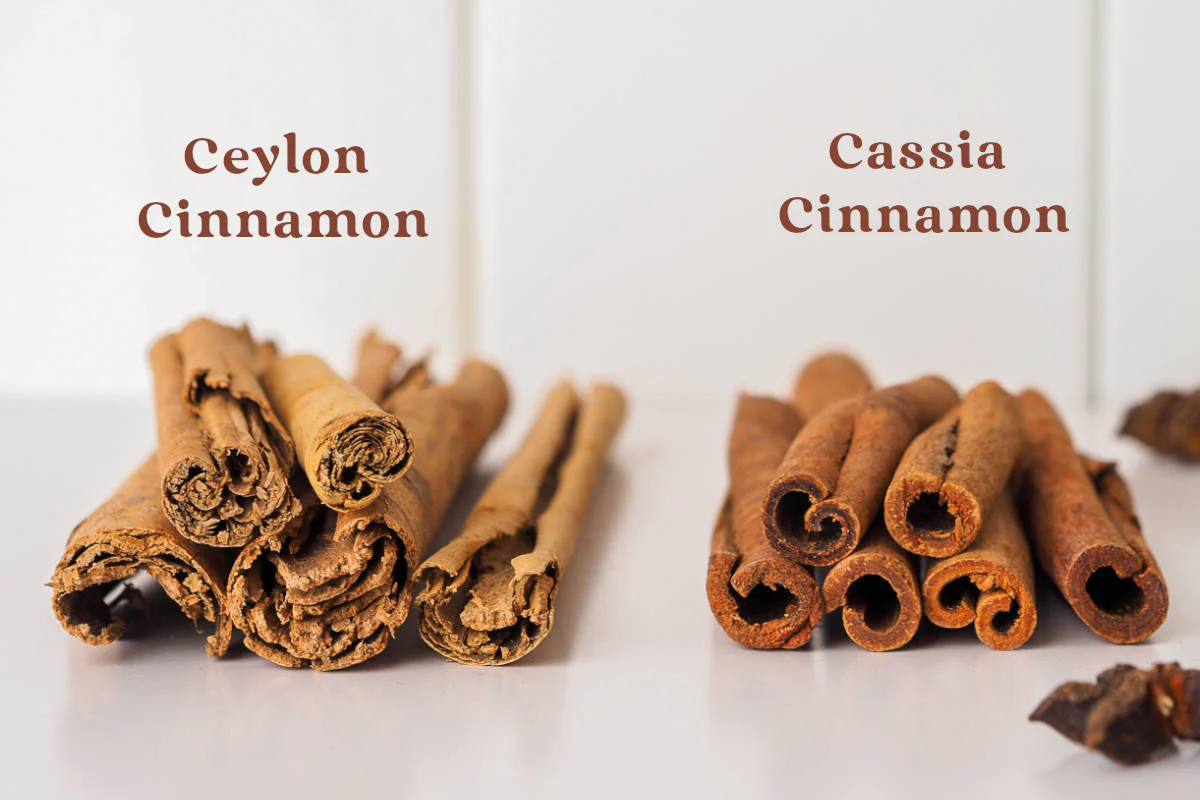
True Ceylon cinnamon and cassia are often confused, but they are completely different plants. True cinnamon, prized for its delicate flavour, comes from Cinnamomum verum, native to Sri Lanka; cassia — the stronger, cheaper variety commonly found in grocery stores — comes from Cinnamomum cassia, native to China and Indonesia. True cinnamon bark is thin, soft, and forms multiple tight, paper-like layers inside a single scroll, while cassia bark is thick, hard, and woody, rolling inward from both sides into a hollow tube. True cinnamon is tan-brown with a sweet, mild, delicate flavour; cassia is dark reddish-brown with a sharp, bitter taste. True cinnamon also contains almost no coumarin — a natural compound that can cause liver damage in high doses — while cassia contains significantly higher levels.
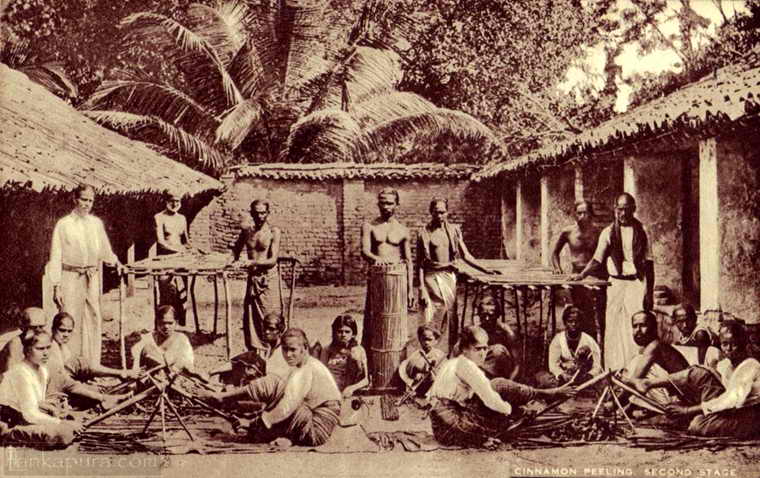
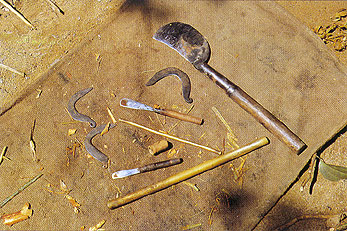
Traditional processing of true cinnamon remains a highly skilled artisan craft, passed down through generations. Harvesters still use a specialized curved brass knife, the kokatta, to scrape and peel the bark — brass, because steel stains the delicate spice. Peelers rub brass rods over the cut branches to loosen the bark before making precise longitudinal slits, then scrape the outer bark away, leaving only the paper-thin inner bark. Workers manually slide smaller pieces of bark — offcuts known as quillings — inside larger ones, creating a continuous, multi-layered scroll called a quill and preventing it from splitting and tearing. The quills are air-dried in the shade to prevent bleaching.
Graders categorize the finished quills primarily by diameter, along with appearance and volatile oil content. Alba, the highest and most expensive grade, is ultra-thin — under 6 mm — made from the softest inner bark and carrying a sweet, delicate aroma. The Continental grades (C5 Special, C5, C4), with diameters from 7 mm to 14 mm, are highly premium and sought after, offering the classic sweet Ceylon flavour that is excellent for baking. The Mexican grades (M5, M4) are medium-thickness quills of 16 mm to 20 mm, with a slightly coarser texture and stronger aroma, while Hamburg (H1, H2) is the heaviest, coarsest bark, traditionally favoured by European markets.
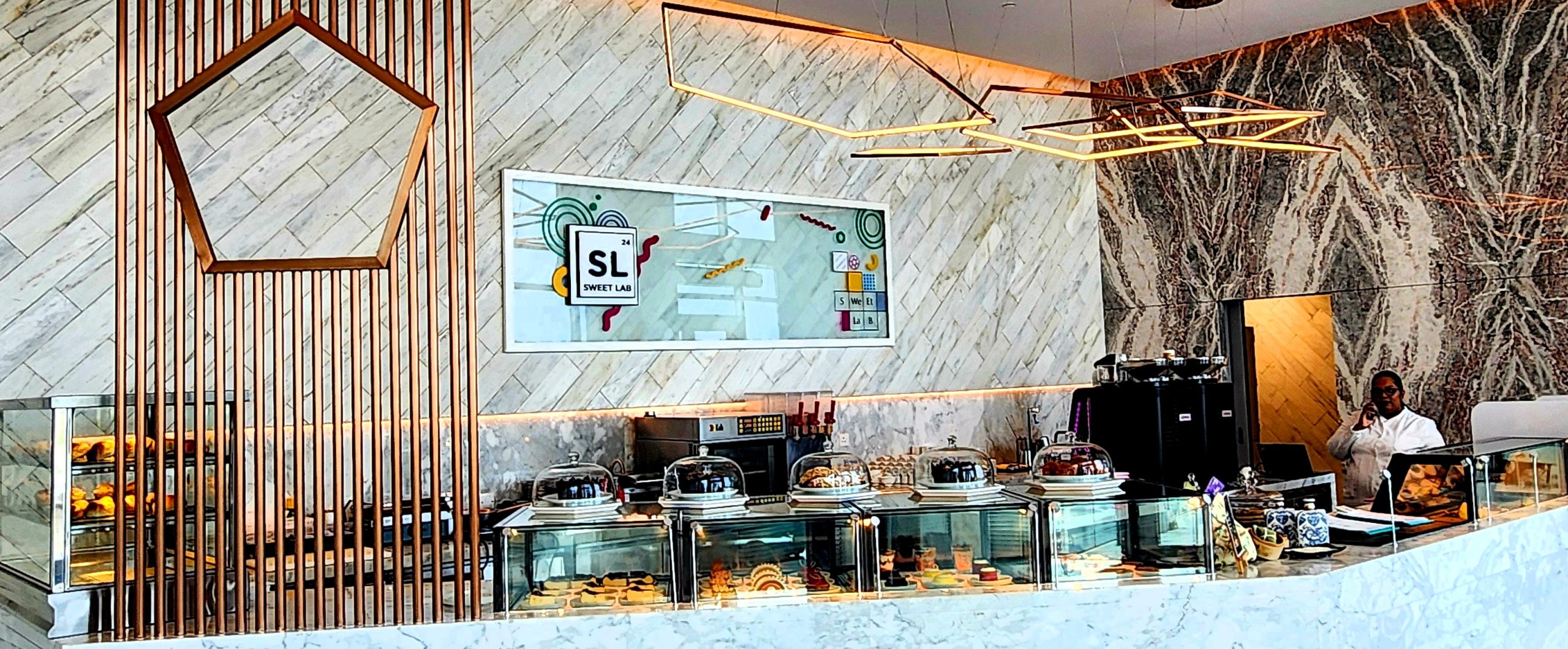
At the Cinnamon Life Hotel, I discovered a small café on the 24th floor named “Sweet Lab”, a name that immediately filled me with the wicked expectation of a joy that only comes from guilty pleasures. The desserts looked exquisite, both in preparation and presentation, and I scoured the glass cake displays for true cinnamon — and found it. Coffee and cake sorted, I sat overlooking the Indian Ocean, stirred by the anger of the Yala monsoon as it battered the stone walls at Galle Face Green. My nostrils filled with the sweet, subtle spice, and my eyes glazed like the pastries before me — baptism by cinnamon. It was time to let the culinary journey truly begin.
True Ceylon cinnamon is universally loved for its subtle purity. Known as the world’s most elegant spice, it carries notes of sweetness, citrus, and clove, and such is its delicacy and fineness that it melts into dishes rather than crumbles. Its primary compound, cinnamaldehyde, gives off an aroma that evokes warmth and stirs nostalgic memories — a scent often said to calm the mind and bring a quiet sense of comfort and satisfaction. This is a spice that tastes like a hug from your grandmother, a spice that inspires a special kind of love.
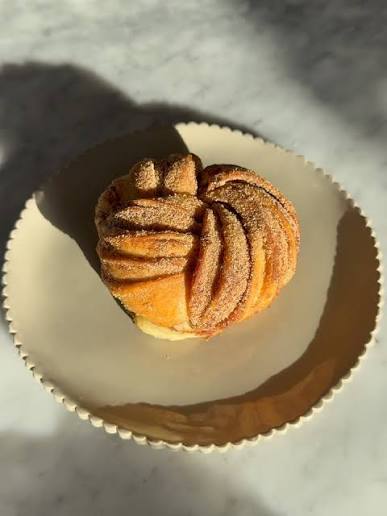
Having landed at Colombo airport the previous night at 1:30 am, I headed straight for the asylum of the bed in my hotel room. When I finally reemerged, my first proper night in Sri Lanka was spent presenting Australian wines at a gala dinner held at the Australian High Commissioner’s residence. This, of course, had to be in Cinnamon Gardens (Colombo 7), the city’s most affluent neighbourhood — and once a cinnamon plantation. To be immersed in this land is to be immersed in this spice — its gentle, earthy, natural charm — and to live, for as long as you stay, a cinnamon life.
Darren Gall

The Cinnamon Peeler
If I were a cinnamon peeler
I would ride your bed
And leave the yellow bark dust
On your pillow.
Your breasts and shoulders would reek
You could never walk through markets
without the profession of my fingers
floating over you. The blind would
stumble certain of whom they approached
though you might bathe
under rain gutters, monsoon.
Here on the upper thigh
at this smooth pasture
neighbour to your hair
or the crease
that cuts your back. This ankle.
You will be known among strangers
as the cinnamon peeler’s wife.
I could hardly glance at you
before marriage
never touch you
–your keen nosed mother, your rough brothers.
I buried my hands
in saffron, disguised them
over smoking tar,
helped the honey gatherers…
When we swam once
I touched you in the water
and our bodies remained free,
you could hold me and be blind of smell.
you climbed the bank and said
this is how you touch other women
the grass cutter’s wife, the lime burner’s daughter.
And you searched your arms
for the missing perfume
and knew
what good is it
to be the lime burner’s daughter
left with no trace
as if not spoken to in the act of love
as if wounded without the pleasure of a scar.
You touched
your belly to my hands
in the dry air and said
I am the cinnamon
peeler’s wife. Smell me.
-Michael Ondaatje
