When the Devil Comes to Town
Melbourne, the early nineties. I was a brash young salesman on the floor of an upmarket wine boutique, and Chilean Merlot was one of the easiest sales in the shop. It had everything a customer could want — plump dark fruit, tannins you could cut your meat with, a price that let people buy it by the case, instead of the bottle — and it was different. Not the lean, graphite-and-herb Merlot of the Right Bank at the time. Not the confected stuff arriving from California. Something else again, softer and rounder and faintly, pleasantly edgy. People came back for it. I sold truckloads of the stuff.
And then, within a season or two, it was gone. Not out of fashion — gone. Off the shelves, off the lists, out of the country. What none of us knew — not the growers, not the shippers, not a soul on that shop floor — was that we had been selling a ghost.
The Masterclass
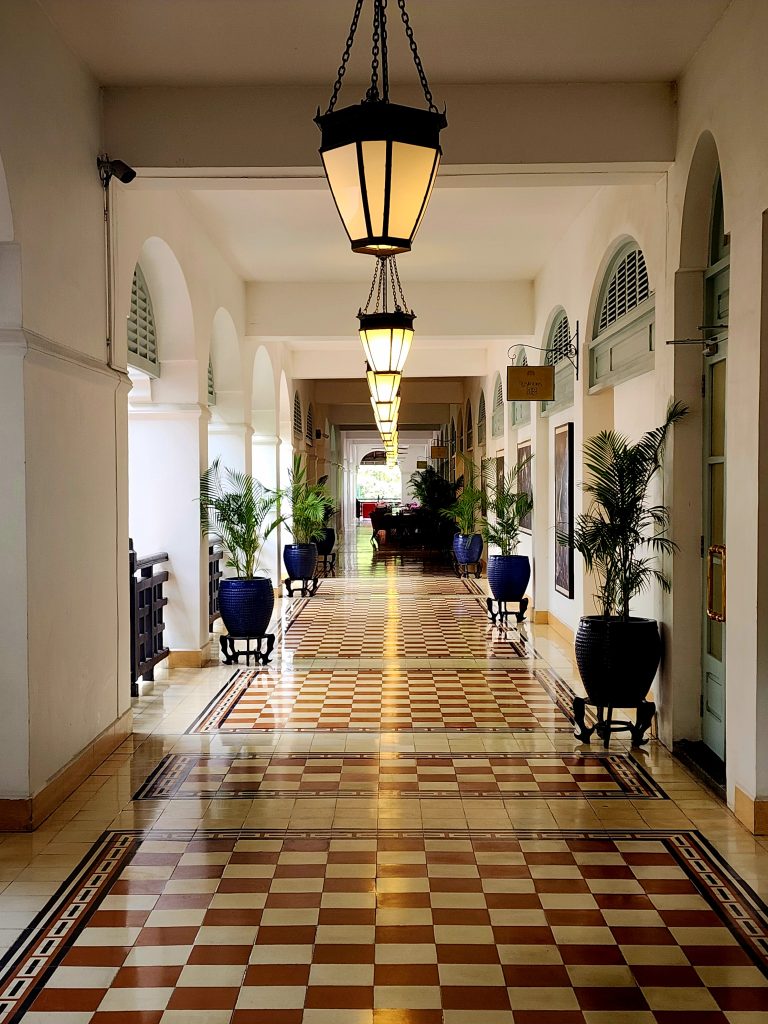
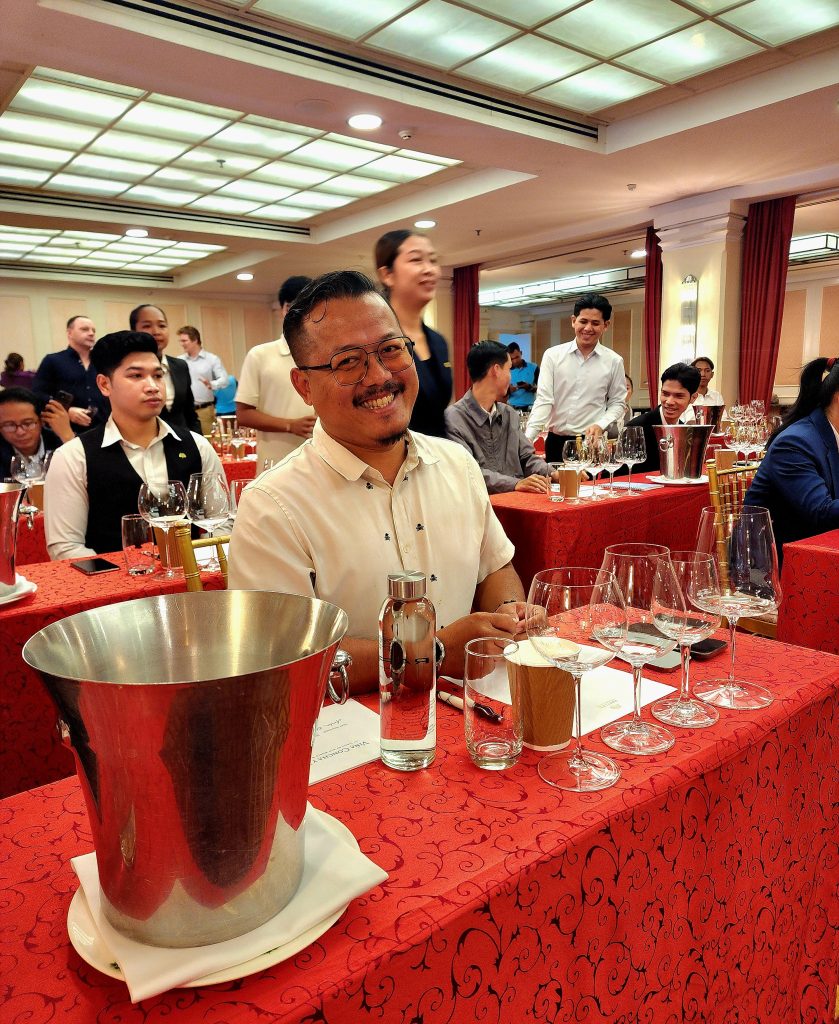
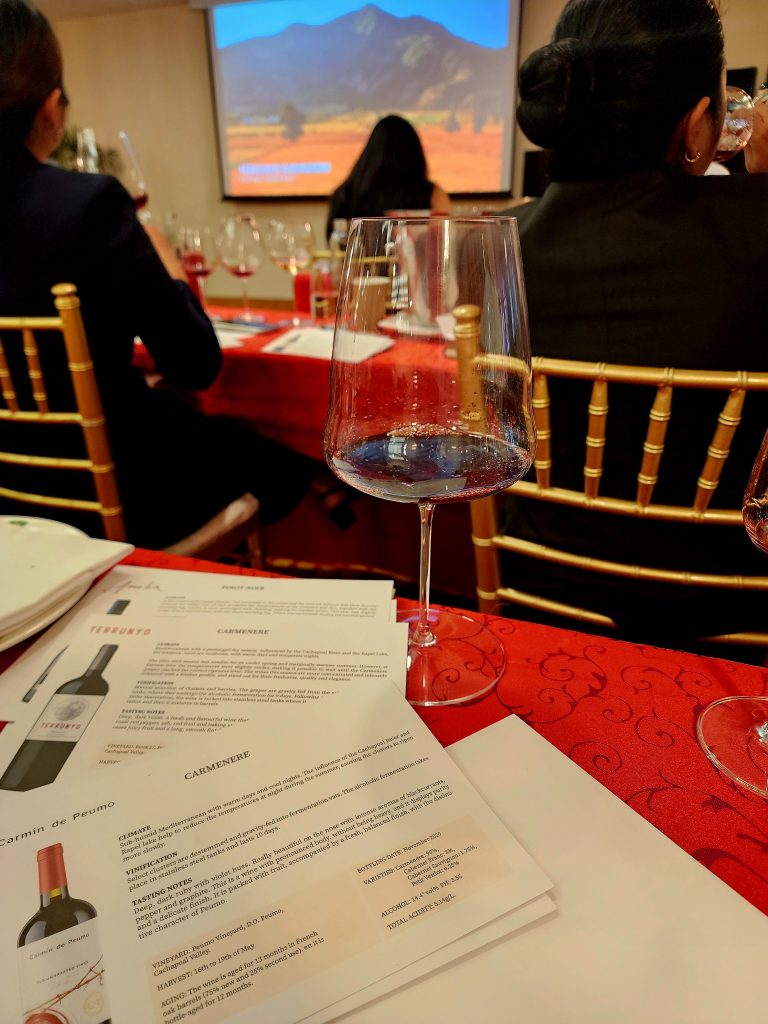
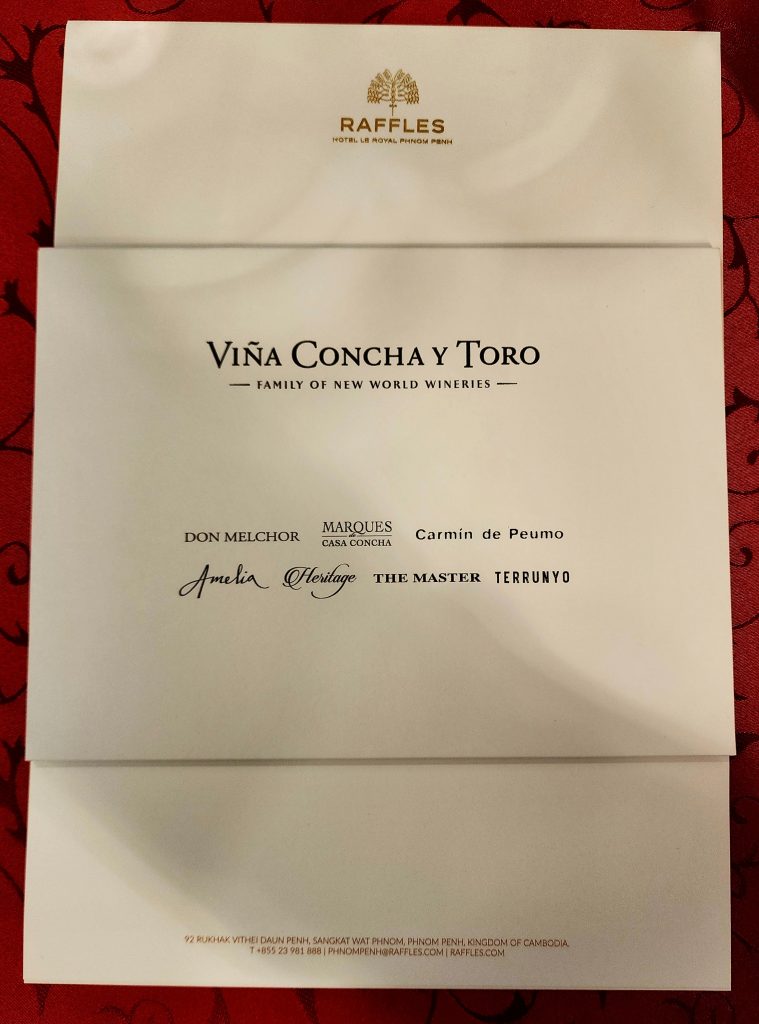
Yesterday I sat in on a master class at Raffles Hotel Le Royal, hosted by Celliers d’Asie and titled, with no false modesty whatsoever, Jewels of Concha y Toro. Concha y Toro are the largest wine producer and exporter in Latin America, and the largest producers do not always send their jewels; this time they had. Mohamad Fazil, Brand Ambassador at Viña Concha y Toro, APAC and Middle East, walked us through the range for a room full of members of the Cambodian Sommeliers Association and most of the hospitality trade in town, in a building that still carries the faint perfume of French Indochina and lemongrass.
Fazil talked about the history of Concha Y Toro and the specific terroirs of their finest wines.
The Marquis and the Devil
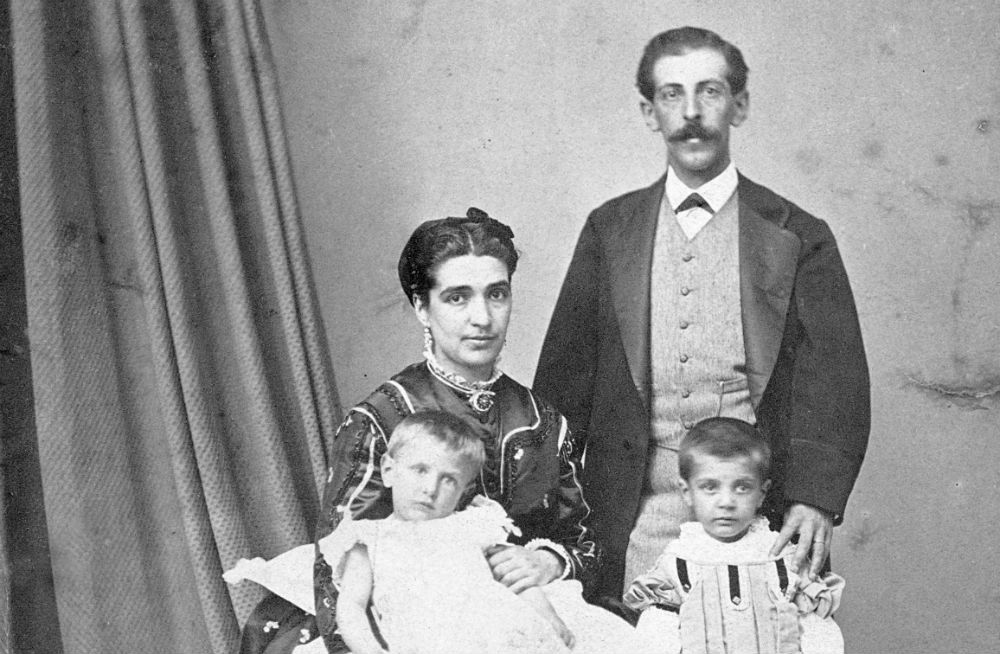
Viña Concha y Toro was founded in 1883 by Melchor de Santiago-Concha y Toro — lawyer, politician, businessman, and a former Minister of Finance of Chile, having served in the post from January 1869 to August 1870 — together with his wife, Emiliana Subercaseaux. He was also the seventh Marqués de Casa Concha, a title granted by royal decree of Philip V of Spain on 8 June 1718 to his ancestor José de Santiago Concha y Salvatierra, for his services as governor of Chile. To plant his new vineyard at Pirque, Melchor brought in cuttings from Bordeaux: Cabernet Sauvignon, Sauvignon Blanc, Sémillon, Merlot, and — though nobody would know it for another century — something else.
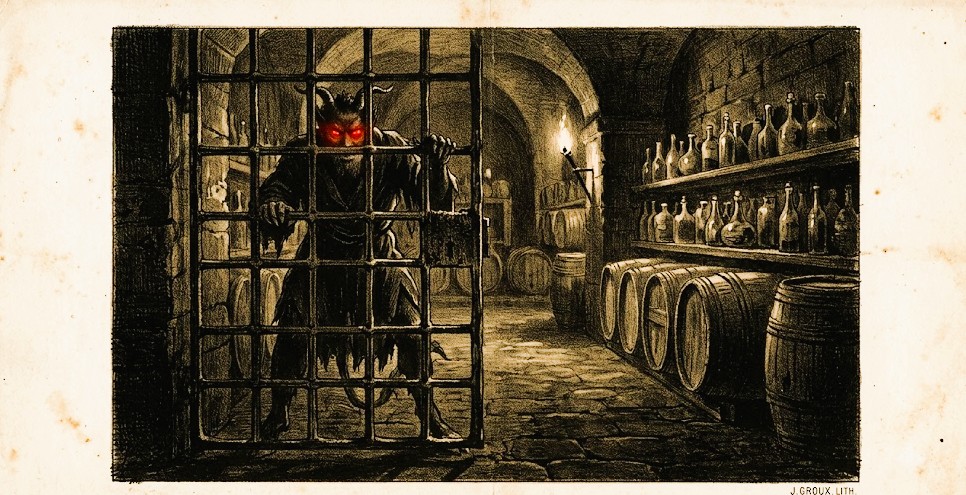
Melchor kept his finest wines for himself, locked behind a wrought-iron gate in the cellar. Yet, they kept disappearing. Rather than post a guard, he did something much cleverer: he let it be known that the Devil had taken up residence down there in the depths of his wine locker. Word travelled, the pilfering stopped, and nobody dared go near the place. In 1966 the company put the story on a label — Casillero del Diablo, the Devil’s Cellar — and it has since become one of the most widely distributed wine brands on earth. Concha y Toro today exports to more than 130 countries through a dozen distribution offices, and has been a partner of Manchester United since 2010, which is either a marketer’s masterstroke or the least surprising sponsorship in world sport, depending on how you feel about the Red Devils.
The Grape That Wasn’t
Which brings us back to Melbourne.
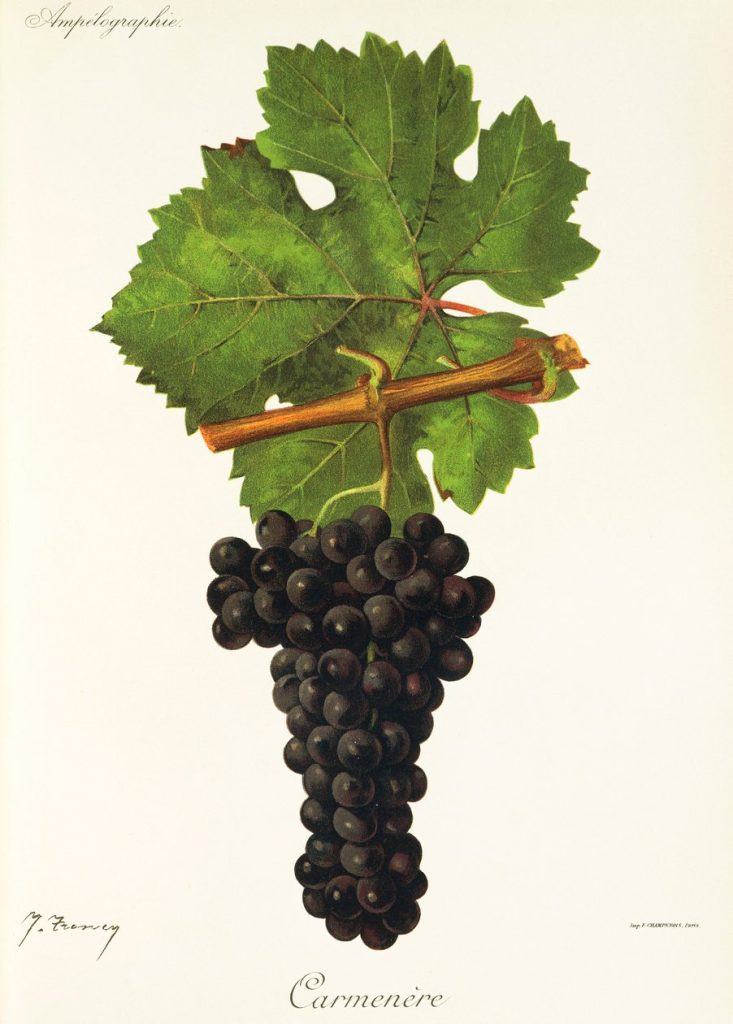
Carménère was one of the six red varieties of Bordeaux, and in the nineteenth-century Médoc it was no minor player — at one point as significant as Cabernet Franc. Then phylloxera arrived in France in the 1860s, and the vineyards of Europe were pulled out and replanted on resistant American rootstock. Carménère, late-ripening and difficult, was not replanted. It was written off as extinct, and the six red varieties of Bordeaux became five.
Except that in the 1850s, decades before the louse, a shipment of Bordeaux cuttings had gone to Chile — and among them were Carménère vines. They were planted alongside Merlot, recorded as Merlot, and sold as Merlot for the next hundred and fifty years. Chilean growers knew perfectly well that some of their Merlot was odd: it ripened weeks late, it carried a green, leafy pyrazine note the others didn’t. They called it Merlot chileno and assumed clonal variation. Chile’s geography — desert to the north, Andes to the east, ocean to the west, ice to the south — had sealed the country against phylloxera. It remains one of the very few wine nations never to have suffered an epidemic. The ghost had been hiding in plain sight, in daylight, for six generations.
On 24 November 1994, the French ampelographer Jean-Michel Boursiquot was walking the rows at Viña Carmen in the Maipo, in Chile for a viticultural congress. He looked at the Merlot, noticed the leaf and the twisted stamens, and said, in effect: that isn’t Merlot. Chile’s Ministry of Agriculture formally recognised Carménère as a distinct variety in 1998 — and from that moment it could no longer be exported as Merlot.
Which is precisely why my Chilean Merlot vanished from a shop floor in Melbourne. It hadn’t failed. It had been correctly identified.

The Jurassic Solution
For the Chilean industry this was, briefly, a catastrophe: an established export success wiped off the label overnight and replaced with a word nobody could pronounce, for a grape nobody had knowingly drunk in a century.
The solution was pure marketing, and it was brilliant. Rather than apologise for the change, Chile sold the ghost story. Aurelio Montes coined the phrase that stuck — the Jurassic Park grape — and the framing spread: a variety brought back from extinction, Chile’s gift to the wine world, the only place on earth you could taste it. Curiosity did the rest. Markets lost as Merlot were recovered as Carménère, then exceeded. There has since been a modest resurgence of plantings in France and Italy, but the world now regards Chile as the spiritual home of the variety, and Chile is not inclined to argue.
The Tasting
Two wines stood clear of an already strong line-up.
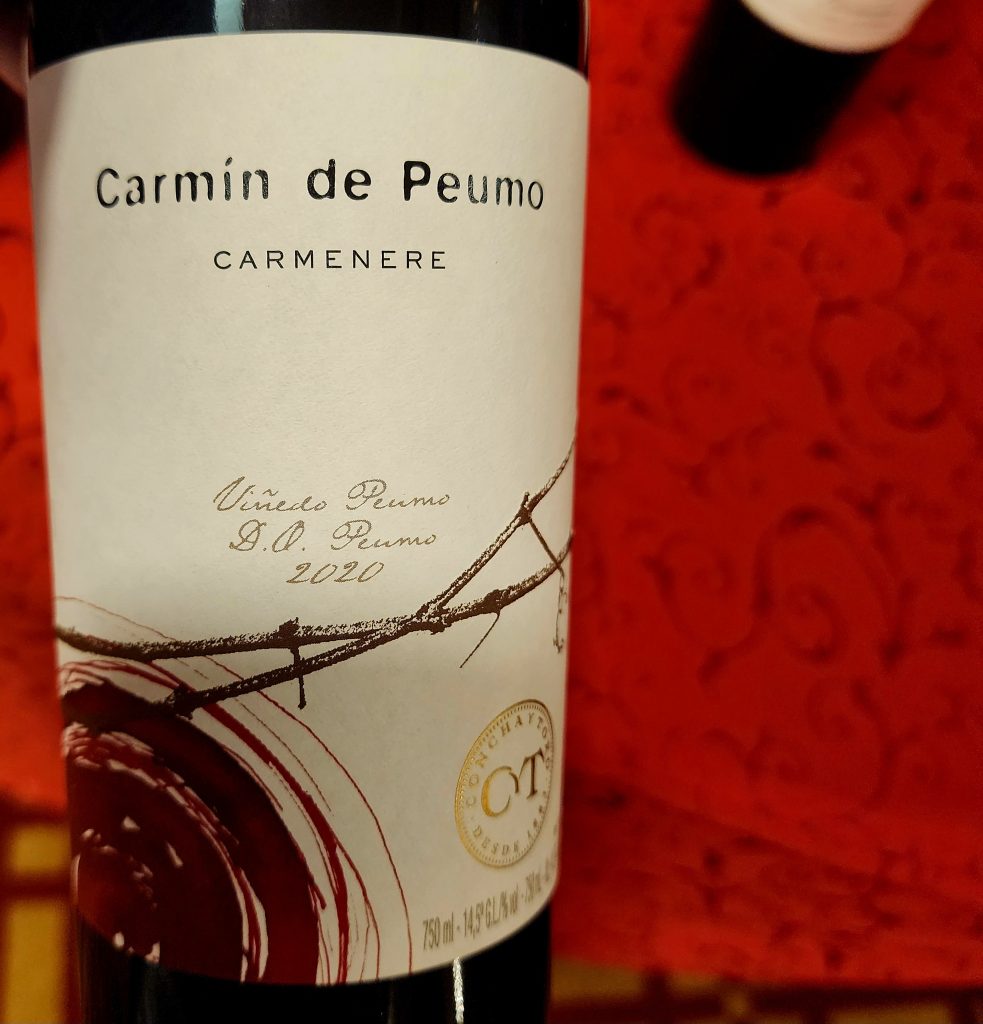
Carmín de Peumo 2019
Variety: Carménère 95%, Cabernet Franc 3%, Cabernet Sauvignon 1.75%, Petit Verdot 0.25%
Region: Peumo, Cachapoal Valley, Chile
Winemaking: Fermented in stainless steel, then matured for fifteen months in French oak (75% new) prior to bottling.
The name is a double gift. Carmin is the French for crimson, and it refers not to the wine but to the vine — Carménère’s leaves turn brilliant red in autumn, the last flare before leaf-fall, and the last variety picked. Peumo takes its name from the peumo trees native to the valley, long revered by the Mapuche for their medicinal properties and turning up increasingly on Chilean fine-dining menus.
Colour: Deep opaque plum and crimson, with violet hues and halo.
Aroma: Black fruits, baking spice, chilli, dark chocolate, cigar box, and tobacco leaf.
Palate: Exceptional intensity and depth on entry; the core is dense and ripe with currants and dark berries. The length is outstanding, the tannins fine and ripe, the minerality typical of the site.
A brilliant example of everything the variety is admired for: depth of fruit, spice-box complexity, great length, and a fine, balanced structure. 97/100
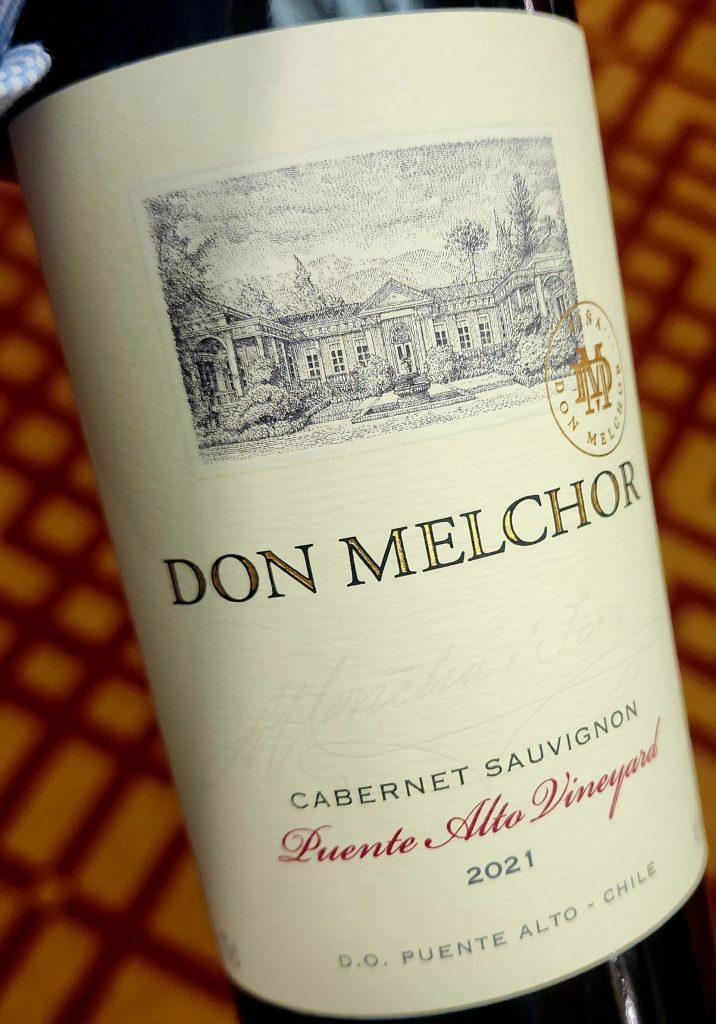
Don Melchor 2021
Variety: Cabernet Sauvignon 93%, Cabernet Franc 4%, Merlot 3%
Region: Puente Alto vineyard, Alto Maipo, Chile
Winemaking: Fermented in stainless steel, then fifteen months in French oak (68% new, 32% second use) prior to bottling.
The thirty-fifth vintage of the wine, and according to the Wine Spectator’s 2024 Top 100, this was their number one wine in the world that year — the first Chilean wine ever to hold the number one position. Which is worth pausing over: the best wine in the world, by at least one significant reckoning, poured on a Thursday afternoon in Cambodia.
Colour: Dark, brooding, opaque maroon with deep garnet hues.
Aroma: A compelling and complex bouquet — pastry, baking spice, gingerbread, plum, lovely blackcurrants and violets, with touches of graphite, saline and sweaty leather.
Palate: Impeccable depth of fruit, balanced, all class. Engaging complexity, superb length, and fine, drying tannins. Flavours of forest berries with a hint of soy umami and a typically bright acidity. The wine is a weightlifter in a leotard, tutu, and pointe shoes; it has weight, power, elegance, finesse, and all the smooth moves. 98/100
Coda
Melchor’s trick worked because he understood something about wine that has nothing to do with viticulture: that a story will guard a cellar better than a lock. He invented a devil to stop his best bottles disappearing, and well over a century later that devil is at a football pitch in Manchester, on a shelf in every supermarket in England and available all over the world.
The Carménère story is the same trick played in reverse. A variety genuinely disappeared — from France, from the records, from the world — and survived a century and a half only because nobody knew what it was. When it was finally named, it disappeared a second time, from every market that had been buying it as Merlot. It came back because Chile found the right story to sell.
Both wines on the table yesterday were built on things that had gone missing. That seems about right. The Devil, after all, has always done his best work when nobody realized he was there.
Darren Gall