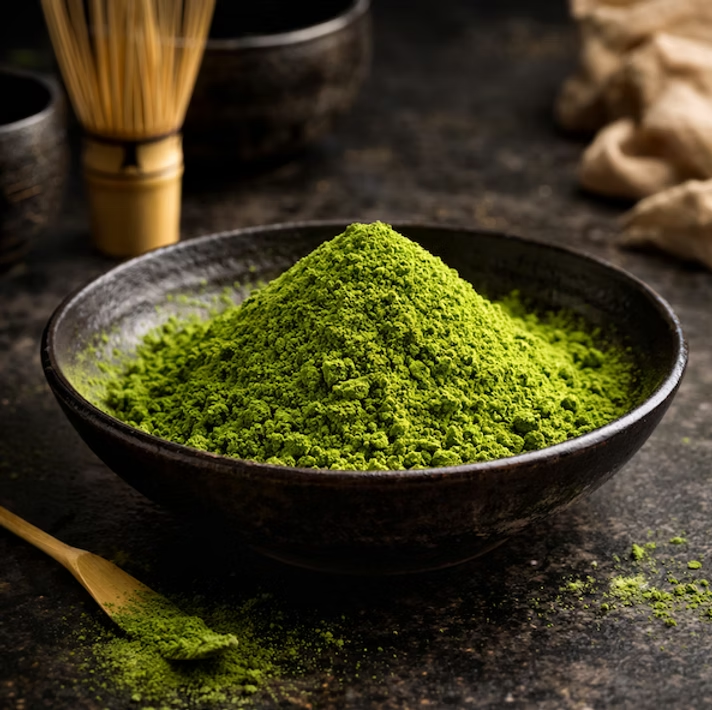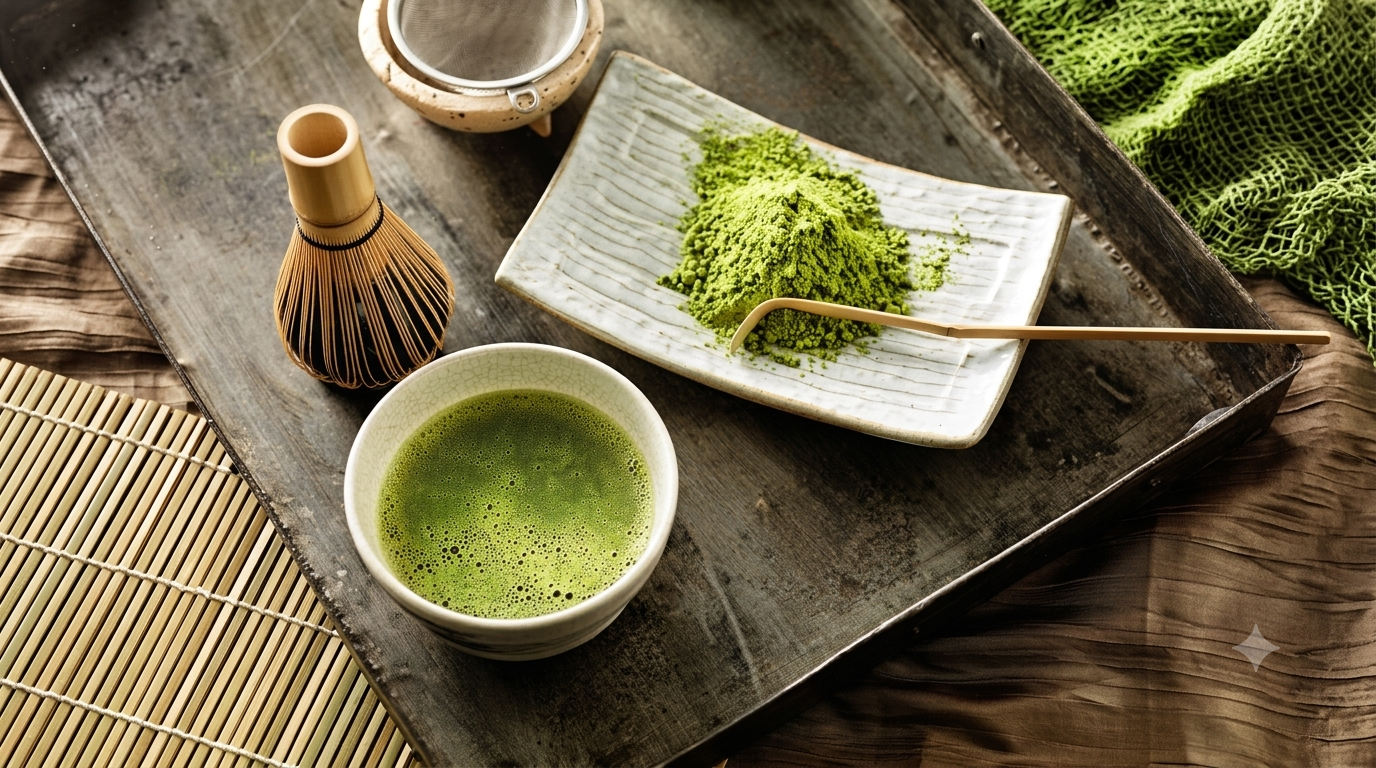
The Tea Chronicles – Wabi Cha
“Though you wipe your hands and brush off the dust and dirt from the vessels, what is the use of all this fuss if the heart is still impure?” — Sen no Rikyū
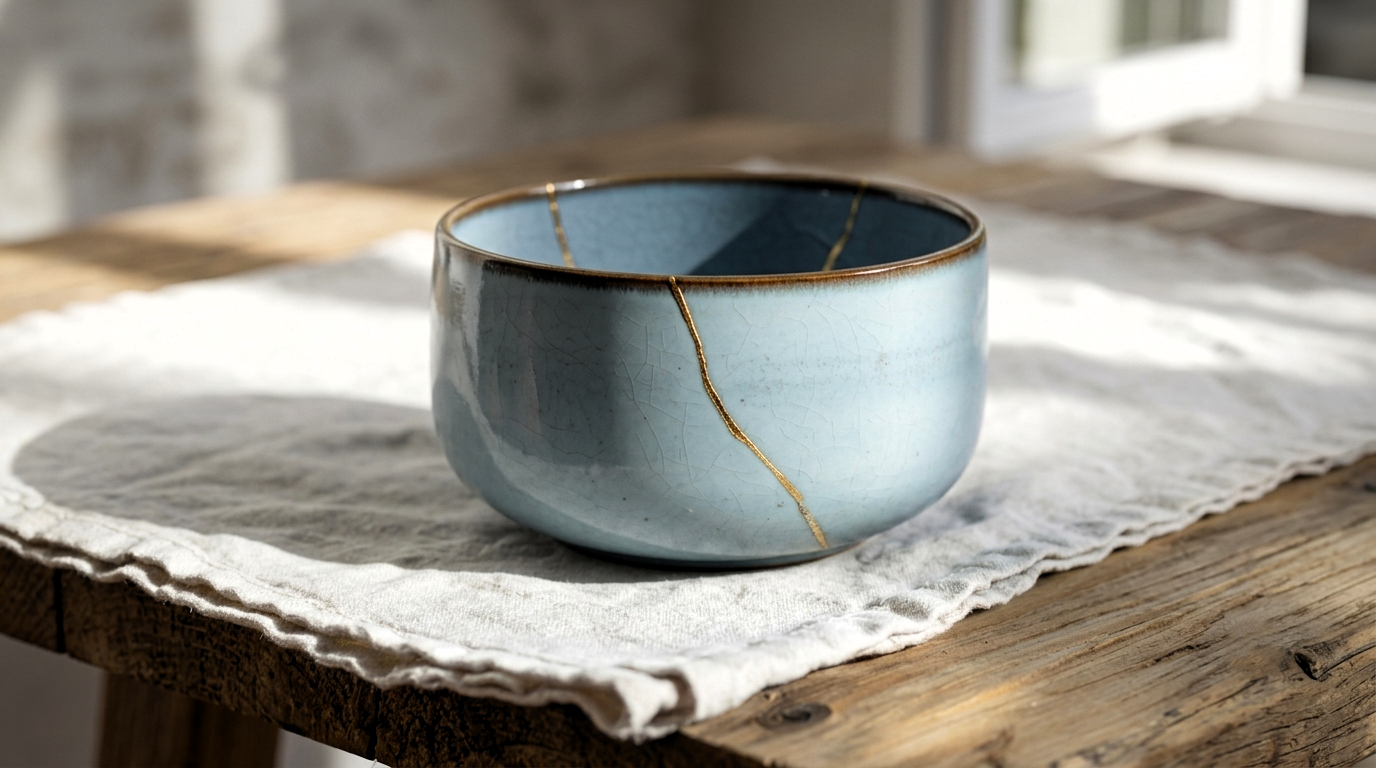
There is a cup in my house that I should have thrown away years ago. A hairline crack runs from its lip halfway to its foot, stained tea-dark now, a fault line you can find with your thumbnail in the dark. It has survived three moves that better cups did not. Every home has one — the chipped bowl that outlasts the good china, kept for reasons that have nothing to do with sense. The Japanese, who have a genius for naming the things the rest of us only feel, built a philosophy around it.
Wabi-sabi is more than an aesthetic; it is a way of standing in the world. It is — to me — profound; it is Zen and it is beauty. It is the acceptance of transience and imperfection, and the discovery of wisdom, peace and beauty inside them, which gives rise to a certain melancholy, and a certain spiritual longing. Zen and Mahayana philosophy teach the contemplation of the impermanence and imperfection of all things; art shaped by that teaching carries the wabi-sabi spirit — and no art carries it further than the two this essay is about: the mending of broken pottery, and the serving of tea.
Kintsugi, the “art of imperfection”, is traced to the Muromachi period and the shogun Ashikaga Yoshimitsu: the repair of broken ceramics with lacquer and powdered gold, so that the cracks are not hidden but illuminated. The philosophy holds that the object becomes more beautiful for having been broken, its scars now the telling of its story.
In the flush of youth, we are something akin to physical perfection — unbreakable, impenetrable, lithe, flexible, bendable: skin bristling, veins coursing with restless energy and latent potential, like foals in an open field, undisciplined, wayward, frisky, and free. Our minds are sponges, full of parts unknown — tabula rasa, wonder, acceptance. No journeys, no stories, no mountains climbed, no deep dives, no free-falls; knees un-scraped, head unbowed, heart un-bruised.
Then life’s blacksmiths get a hold of us — work, family, love — lighting their fires and banging us about, doing their damage, until we no longer bend but crack, no longer expand but fragment, no longer realign but shatter and fall. Kintsugi says: do not despair of the things that forged your character, and do not hide the damage. Make the scars of repair beautiful and strong, like veins of gold, and learn to respect them in others.
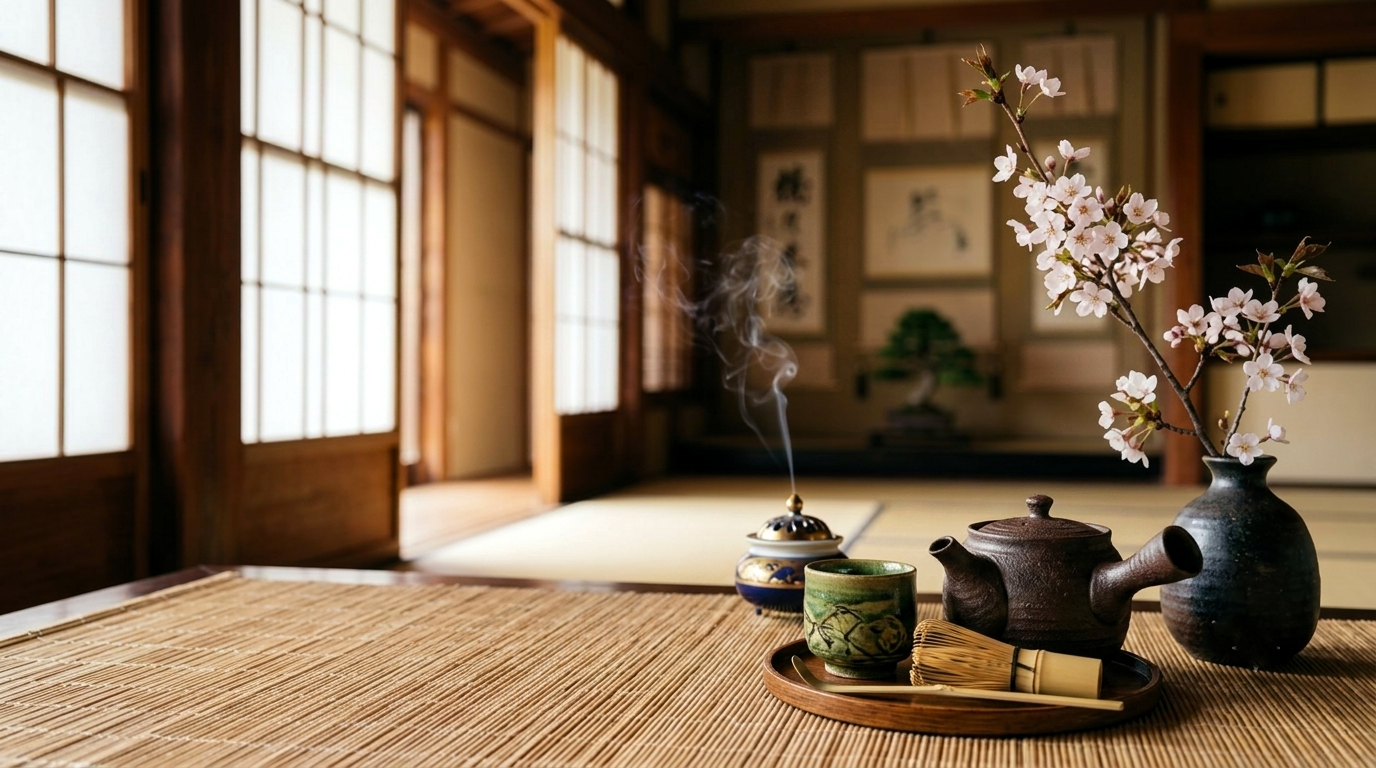
Four hundred years ago, that philosophy was poured into a bowl of tea.
Tea reached Japan with the Buddhists. The Nihon Kōki — the official history commissioned by Emperor Saga — records a monk named Eichū, home from China, personally serving tea to the Emperor in the year 815; within a year, imperial edict had established tea plantations in the Kinki region. Towards the end of the twelfth century another returning monk, Eisai, brought back both the seeds that would produce Japan’s finest tea and the method that would define it: powdered green tea whisked into hot water, drunk by monks to hold the mind upright through long meditation.
Then the samurai got hold of it, and for a while tea forgot itself entirely. Under the Kamakura shogunate, the warrior class turned tea into sport and status: raucous tōcha tasting contests — “four kinds and ten cups” — where blindfolded palates competed for prizes of silk, weapons and gold, in halls that grew ever more lavish, crowded with expensive imported Chinese wares. Tea had become an opportunity to display power. It had very little, any longer, to do with Zen.
The correction came from a young temple attendant in Nara named Murata Jukō, who had no interest in the parties but a monk’s interest in the tea itself — it kept him awake through his studies. In Kyoto he trained under the Zen master Ikkyū Sōjun, who taught him that the Buddha dharma is also in the Way of Tea, and Jukō set about stripping the ceremony back until that could be true again. Out went the imported treasures; in came local pottery, rustic, unglazed, imperfect. The room grew smaller, the better to grow more spiritual. In a letter to a student — the Kokoro no Fumi, the Letter of the Heart — he laid down the foundations that stand to this day, resting on four values: Kin, humble reverence; Kei, respect; sei, purity; jaku, tranquillity.
His successors kept subtracting. Takeno Jōō deepened the simplicity and taught what his school came to treasure as ichi-go ichi-e — one time, one meeting: the understanding that no gathering can ever be repeated, and every meeting must therefore be treasured. And Jōō taught a merchant’s son from Sakai named Sen no Rikyū, who would perfect the whole and pay for it with his life.
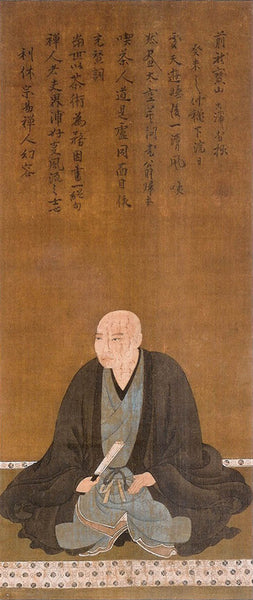
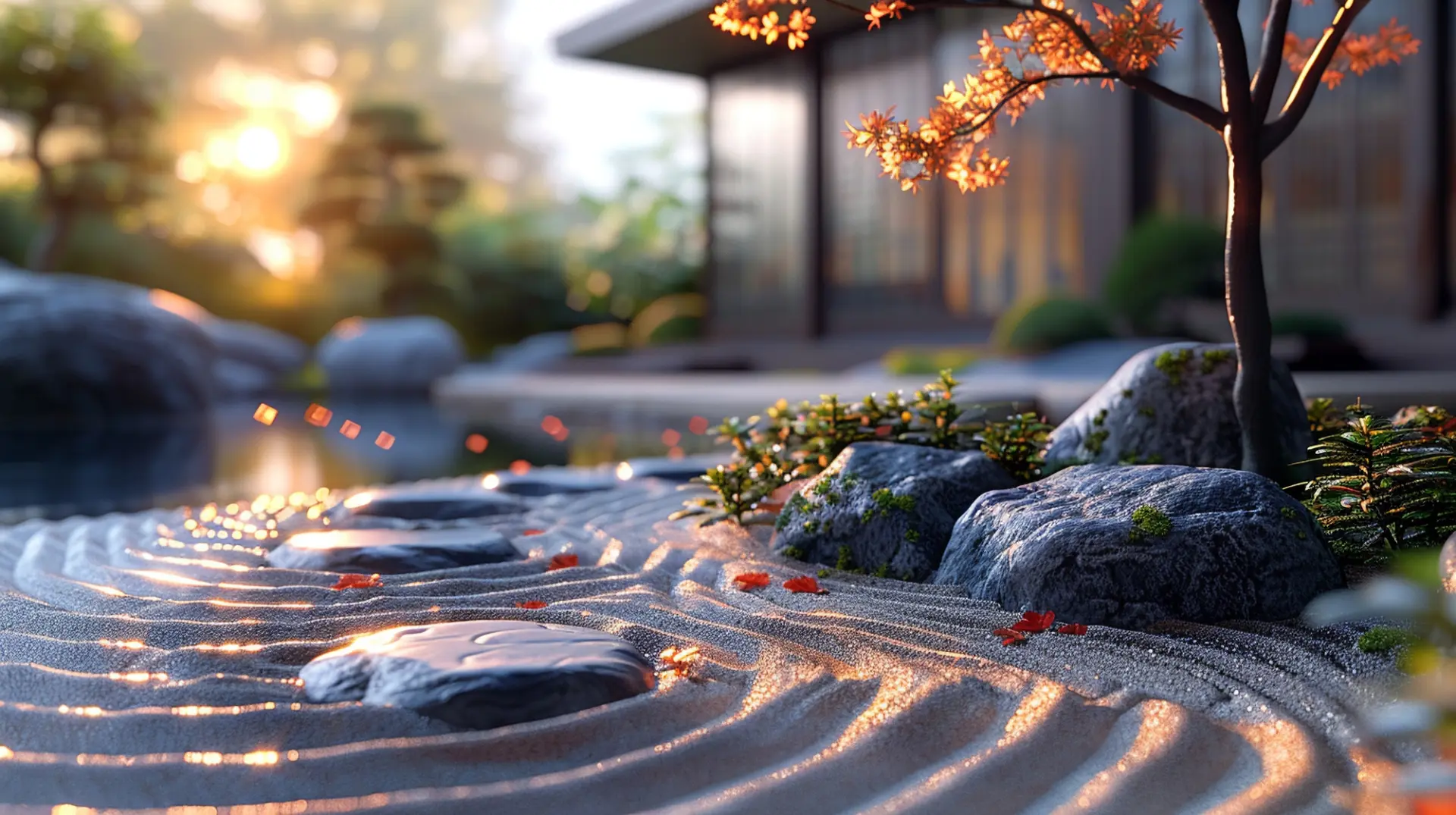
Rikyū codified wabi-cha — tea in the spirit of wabi-sabi — and in doing so had the most profound influence of anyone on the Japanese Way of Tea. His teahouse was small and rustic, hidden in a garden, reached by a winding path of trees and stones designed to loosen the world’s grip on you as you walked. The door was built deliberately low, so that everyone — merchant, priest, samurai — had to bow to enter, and a sword would not fit through; all arrived equal. The utensils were plain ceramic and bamboo, many designed by Rikyū himself. Properly performed, his ceremony moved the guest through wa, harmony with the nature all around; kei, respect for those close at hand; sei, purity of heart; and finally jaku — the tranquillity that was, for Rikyū, the destination of the whole art. Hospitality, in this philosophy, is a person doing their utmost to offer a guest a taste of their intentions.
Such a man could not stay obscure. Rikyū became tea master to the two greatest warlords of the age — first Oda Nobunaga and then, after Nobunaga’s death, Toyotomi Hideyoshi, the peasant-born unifier of Japan. The pairing was almost too perfect a parable: Hideyoshi built a portable tearoom covered entirely in gold leaf; his tea master’s own ideal was a hut of two tatami mats. The master served tea in both, and for a decade the most powerful man in Japan and the apostle of holy simplicity made, between them, the golden age of the ceremony.
Then, in 1591, for reasons the historians still argue over — a statue placed too proudly, a daughter refused, the simple danger of a servant with more moral authority than his lord — Hideyoshi ordered his tea master to commit seppuku. Rikyū was sixty-nine.
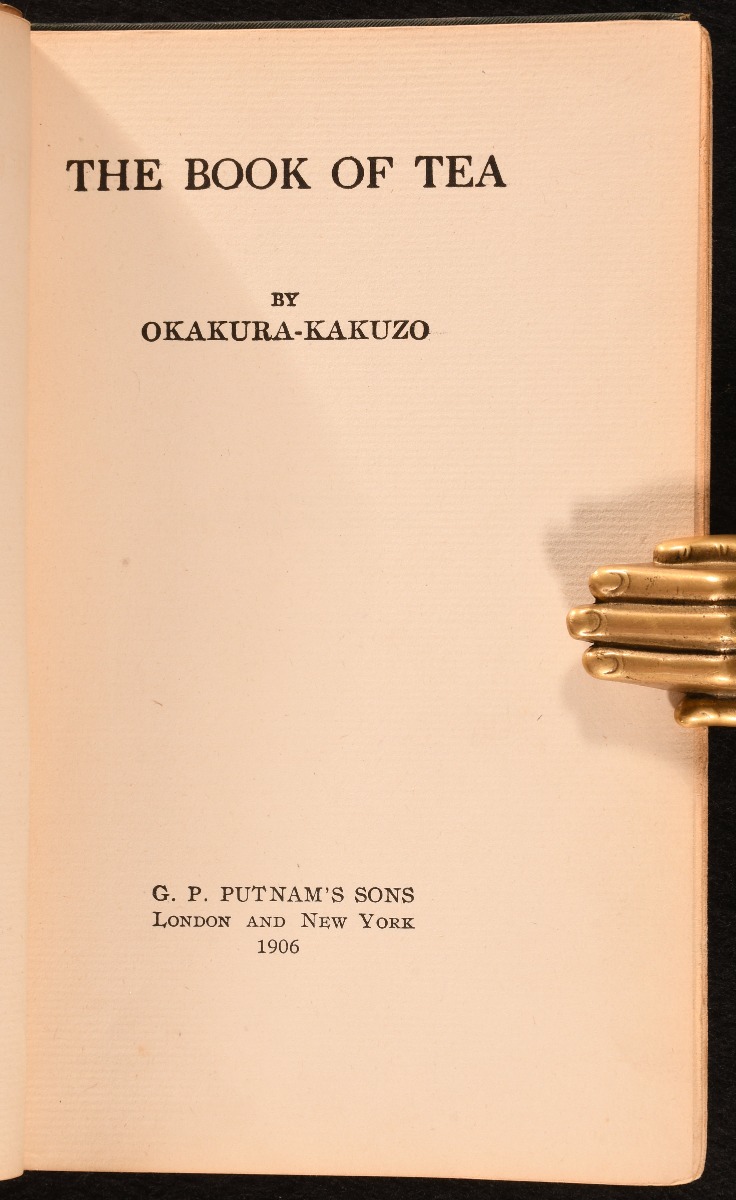
Okakura Kakuzō tells the story of his last day in The Book of Tea, and it is the most famous tea gathering ever held. Rikyū invited his closest disciples. The kettle sang over the charcoal; incense; a scroll in the alcove. He served them, one final time, with perfect composure. When it was done, he presented each guest with a piece of the equipment as a keepsake — the scoop, the whisk, the kettle — keeping back only the bowl. This, polluted by what he called the lips of misfortune, no one would ever use again. He smashed it. Then, when his guests had gone, and one friend remained to witness, the master of the Way of Tea wrote his farewell verse and died by his own hand, as unhurried as if he were whisking tea.
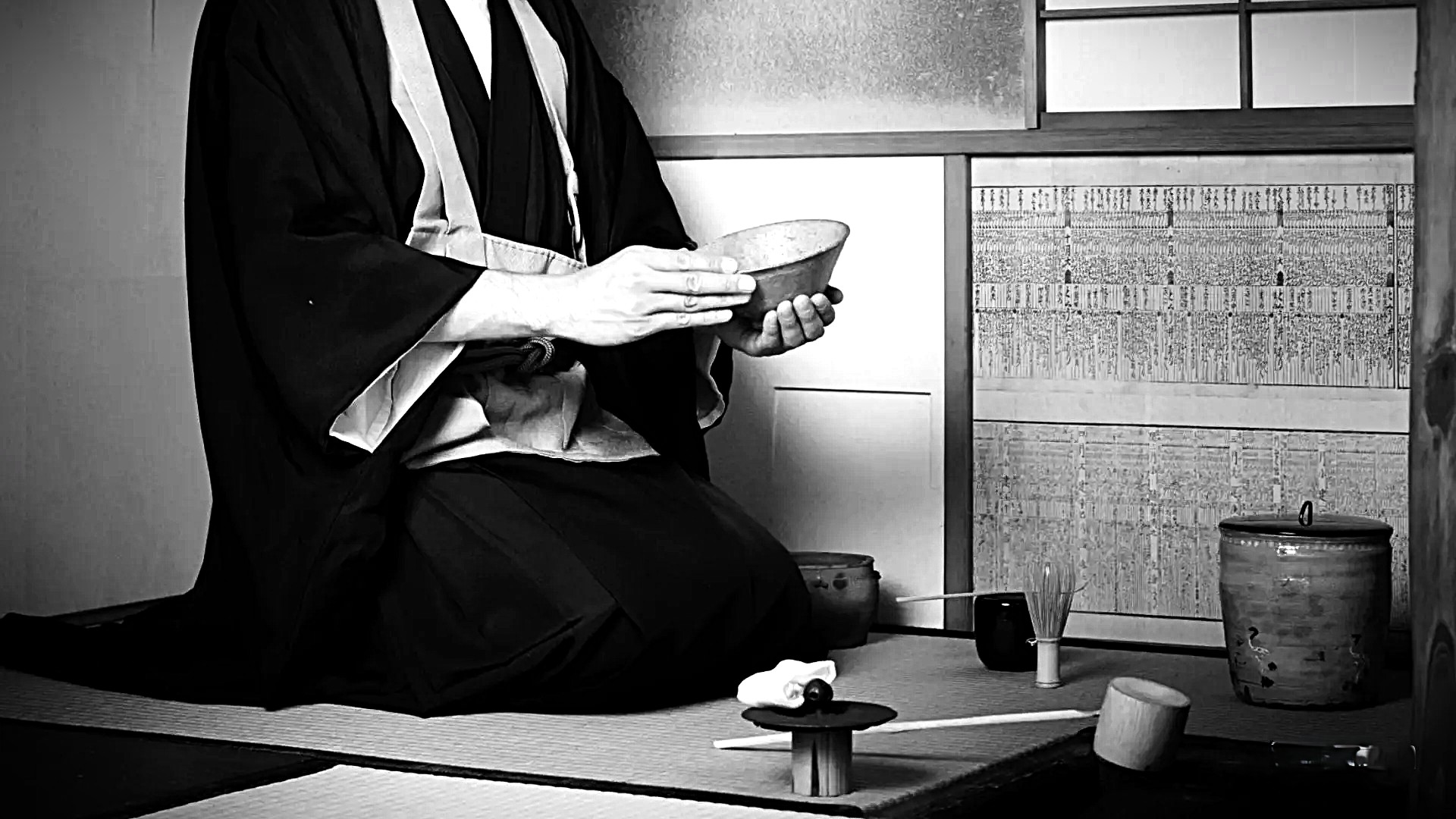
Ichi-go ichi-e was never a pleasantry for a scroll: it is the knowledge that any gathering may be the last, carried to the tearoom by a man for whom, that morning, one finally was. Wabi-sabi — the beauty of the impermanent — practised without flinching at the moment of greatest impermanence. And the bowl. The man who taught Japan that broken things are beautiful chose, at the end, a breaking that would never be mended. Kintsugi fills the cracks with gold because an object’s story deserves honouring; Rikyū shattered his because some stories must be allowed to end. They are the same lesson, told in opposite directions. Everything passes, everything is incomplete — and every meeting, every bowl, every guest therefore matters absolutely.
The ceremony survived its master. His descendants founded the three great schools — Omotesenke, Urasenke, Mushakōjisenke — that teach it to this day, and in tea rooms from Kyoto to everywhere, guests still stoop through a door built low on purpose, still turn the bowl in their hands, still meet for the one meeting that will never come again. Okakura, again: those who cannot feel the littleness of great things in themselves are apt to overlook the greatness of little things in others.

My cracked cup sat on the desk the whole time I wrote this, holding its fault line up to the light. I made tea in it this morning. Rikyū, I think, would have approved — though he would tell me, gently, that it was never about the cup. The crack is the story. The tea is the excuse. The guest is the point.
Darren Gall