
Bright and Clear Skies
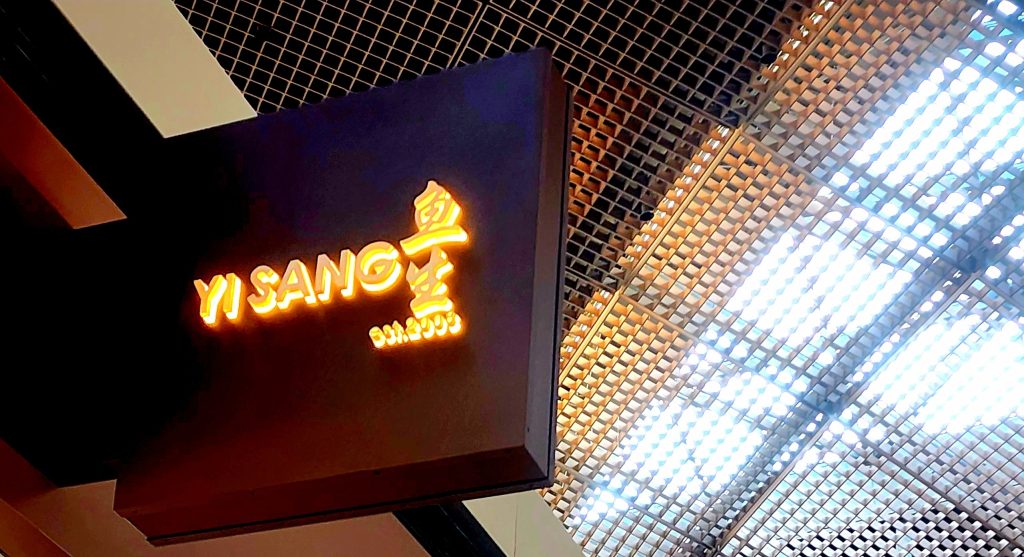
As someone who has used Phnom Penh’s airport to depart and return every couple of weeks for most of the last twenty years, I was as pleased and proud as any Cambodian when the new airport opened in September this year.
Situated twenty kilometres south of the city centre—and finally on my side of town—it’s now a clear, straight run from my front door to the departure lounge.
Of course, the airport is about more than convenience, yet ease of use remains one of its greatest strengths.
Named Techo International Airport (KTI), it boasts a stunning design and features numerous striking architectural elements. The structure embodies a powerful sense of place, drawing its inspiration from one of the oldest civilizations on earth. The name Techo (Khmer: តេជោ) is referenced in Khmer history, where the king granted titles to 17th-century Khmer army commanders Techo Meas and Techo Yort, who operated in the territory of Kandal Province, where the airport is located.
Designed by Foster + Partners, the airport blends traditional Khmer cues with modern sustainability. Cambodia’s cultural heritage informs the entire design, incorporating vernacular forms and the timeless elegance of Angkorian motifs. Lotus flowers and sugar palm appear repeatedly. A nine-metre bronze Buddha statue in the Abhaya mudra welcomes travellers.
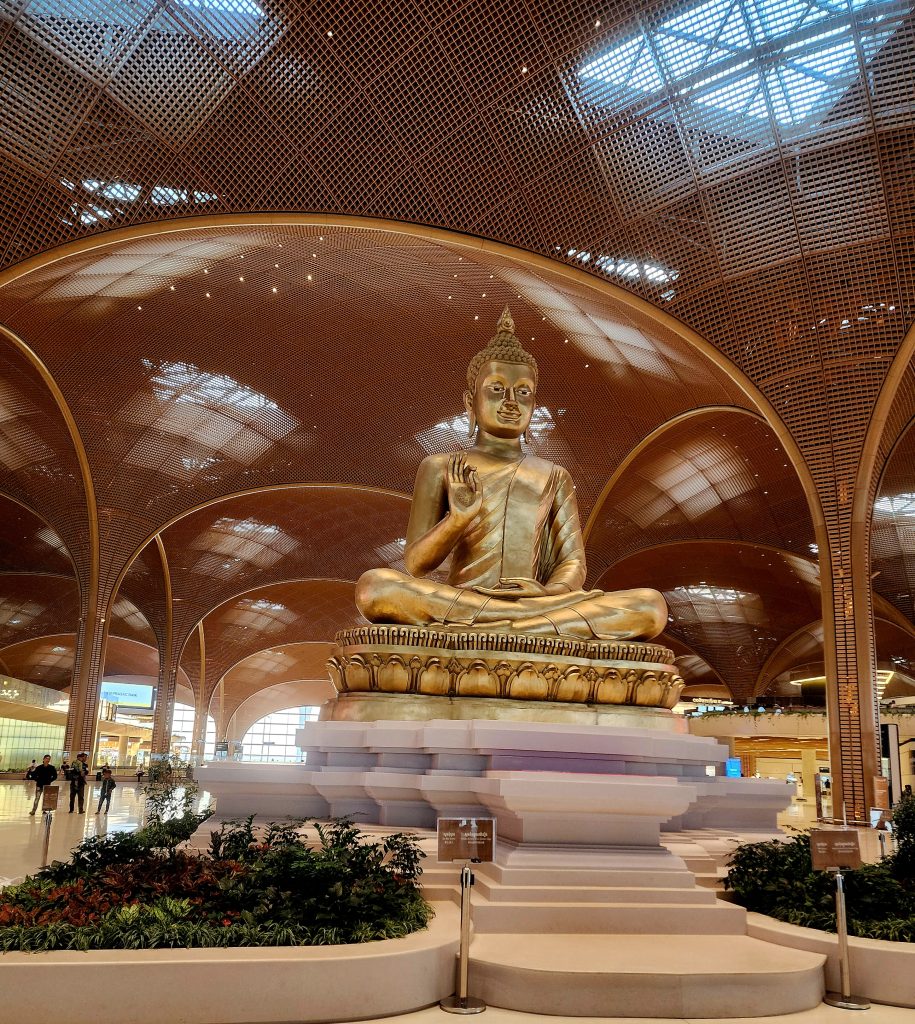
The Abhaya mudra—symbolizing protection and fearlessness—features the right hand raised to shoulder height, palm outward. This gesture, common in Buddhist and Hindu art, evokes reassurance, inner peace, and safety.
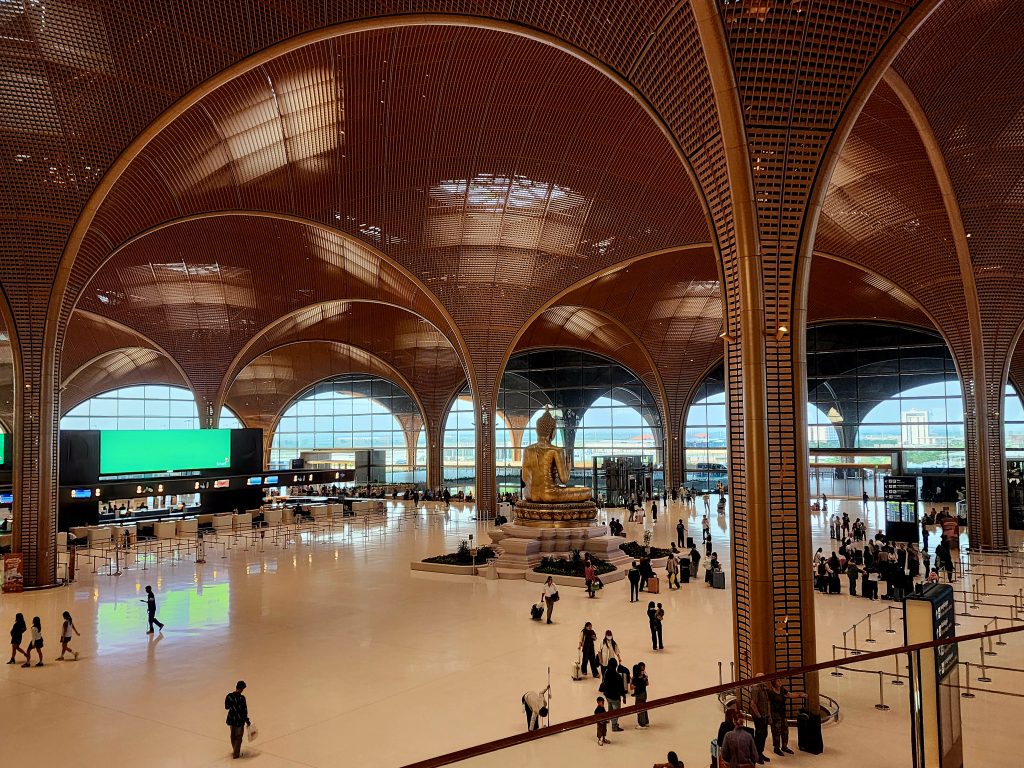
The terminal’s vast single roof is supported by an interconnected canopy of lightweight “structural trees,” each spanning thirty-six meters. This echoes the tropical forest canopy and the soaring ceilings of traditional Cambodian buildings. A roof-mounted screening system filters natural daylight, reducing glare and flooding the interior with soft illumination. As a result, the open, spacious terminal requires very little artificial lighting during the day.
KTI is also one of the greenest airports in the world. A large on-site solar photovoltaic farm generates a significant portion of its energy. The building maximizes natural airflow, reducing over-reliance on air-conditioning. Lush interior gardens -including mature trees and vertical greenery—help to improve air quality; while an advanced drainage system harvests rainwater for reuse.
With its first phase operational, the airport can accommodate thirteen million passengers annually with one runway and an aero-foil-shaped pier. Future phases will add two more runways and another aero-foil wing, expanding capacity to thirty million by 2030 and fifty million by 2050. The master plan also includes an integrated “airport city.”
“An airport is amongst the most important public buildings, reflecting its symbolic status as the gateway to a city and its crucial role in the globalized economy. The new Techo International Airport will be an important part of Phnom Penh’s continued development as the nation’s primary inter-regional, intermodal transport hub.”
– Stefan Behling, Head of Studio, Foster + Partners
Having spent more than half my life travelling through airports around the world, especially in Asia, I can confidently say KTI is the finest, most aesthetically pleasing, and comfortable in the region.
Cambodia’s Favourite
Arriving via the departure ramp, you are immediately greeted by the serene nine-meter bronze Buddha. The airport is airy, spacious, and rarely crowded. Early check-in means almost no queues, and the new software system delivers fast, efficient service—always accompanied by the customary Khmer smile.
After check-in, unburdened by luggage, you ascend the escalators or glass elevator on the left, to the mezzanine, which overlooks the terminal. You pass cafés and a bar before spotting a familiar, reassuring name: Yi Sang.
Here sits one of Cambodia’s most beloved dining institutions.
Yi Sang
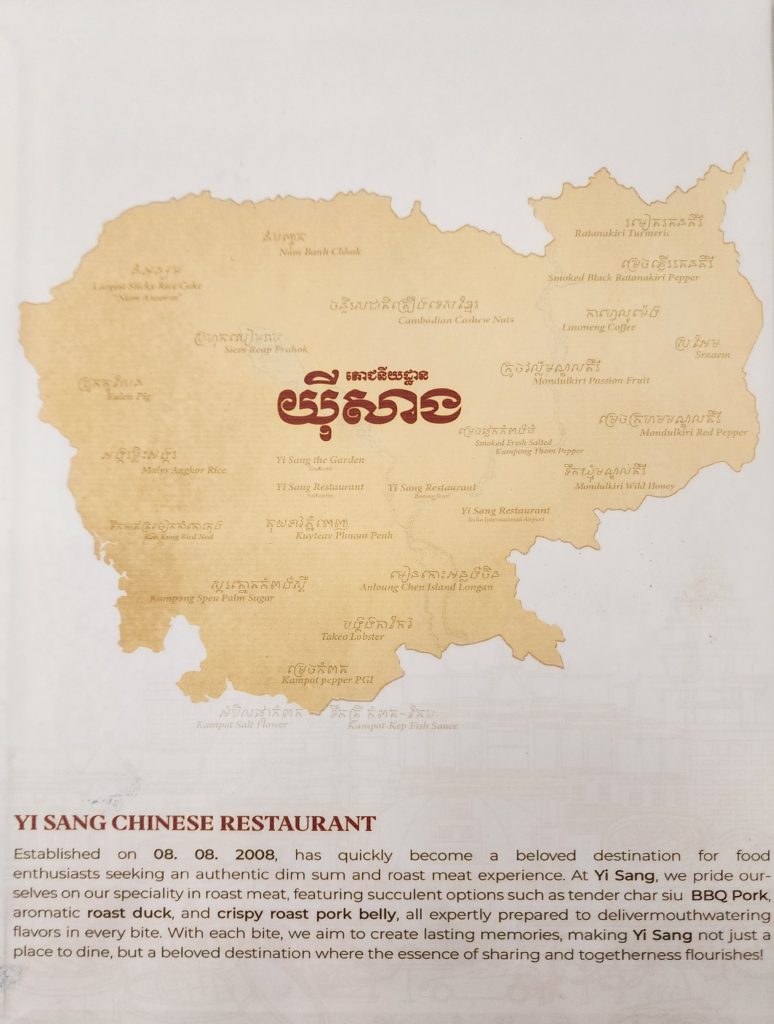
The celebrated Yi Sang Restaurants – Almond Hospitality, led by renowned Cambodian chef Luu Meng, has long been a cornerstone of Phnom Penh’s dining scene. With multiple branches and a loyal following, it stands as the city’s most consistent ambassador for modern Chinese and Cambodian-Chinese cuisine.
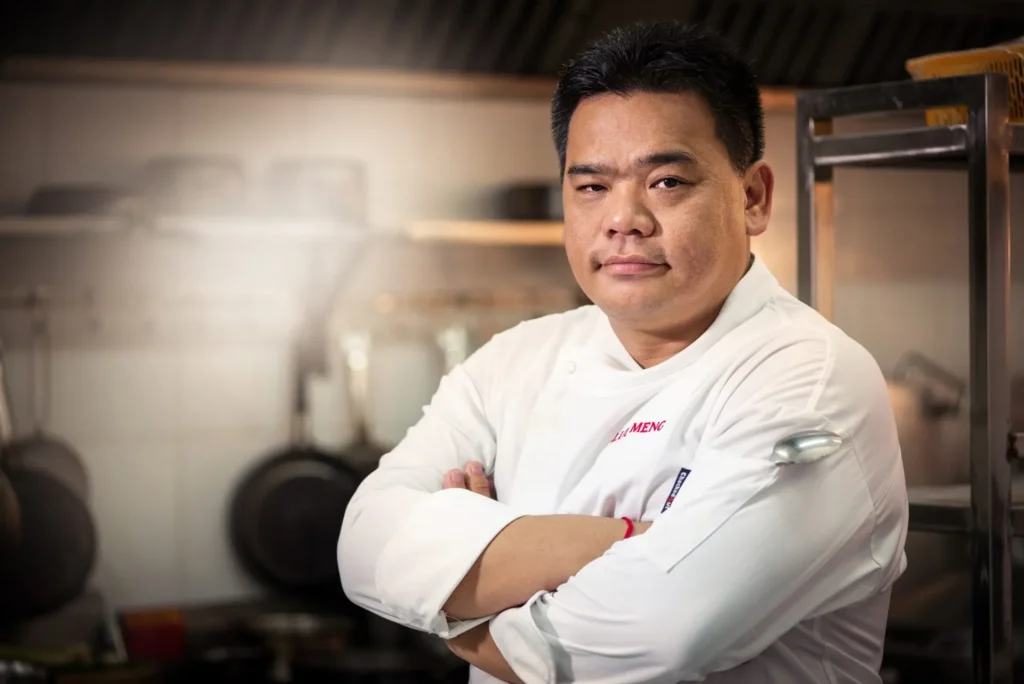
Yi Sang succeeds because it blends comfort, craftsmanship, and cultural pride—step inside and you’re immediately at ease. The dining rooms are polished but unpretentious; the service is warm, confident, and welcoming. Above all, Luu Meng’s reputation rests on quality and consistency. Generations of Cambodians trust Yi Sang for excellent food and gracious hospitality, whether dining with family, colleagues, or friends.
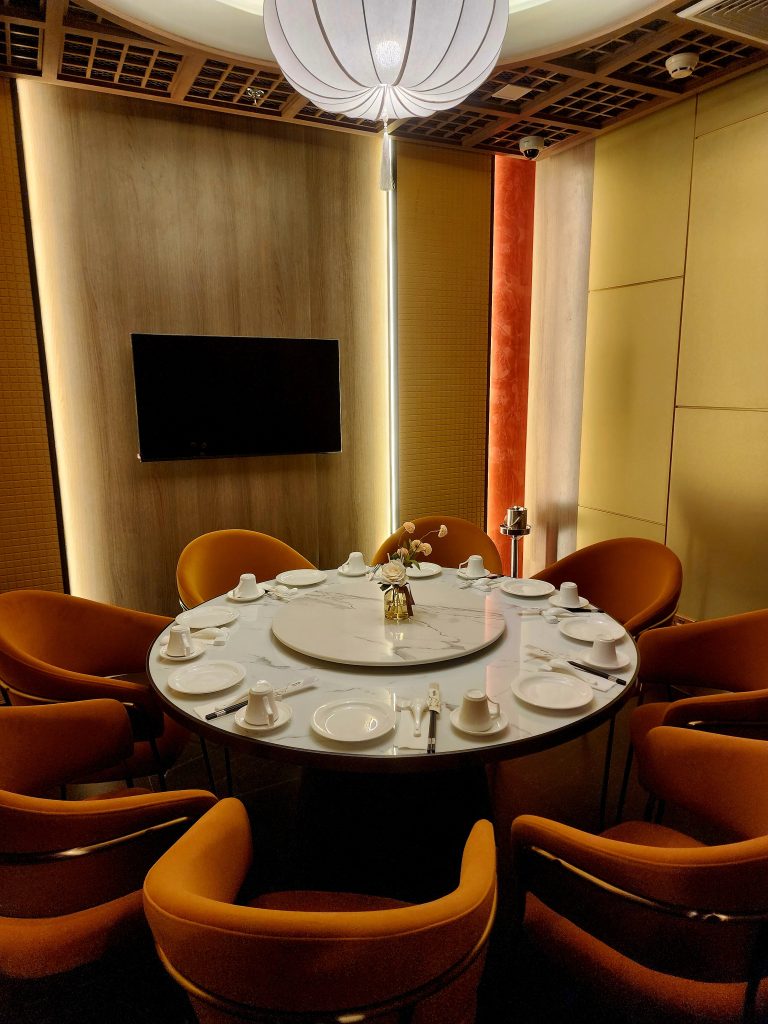
At Yi Sang KTI, staff greet you with a traditional sampeah and chum reap suor, hands high and bowing low in respect. The restaurant’s relaxing dining room features glass walls offering views across both the airport interior and the outdoors. Two excellent private dining rooms are available for families, welcome or farewell dinners, business meetings, or interviews.
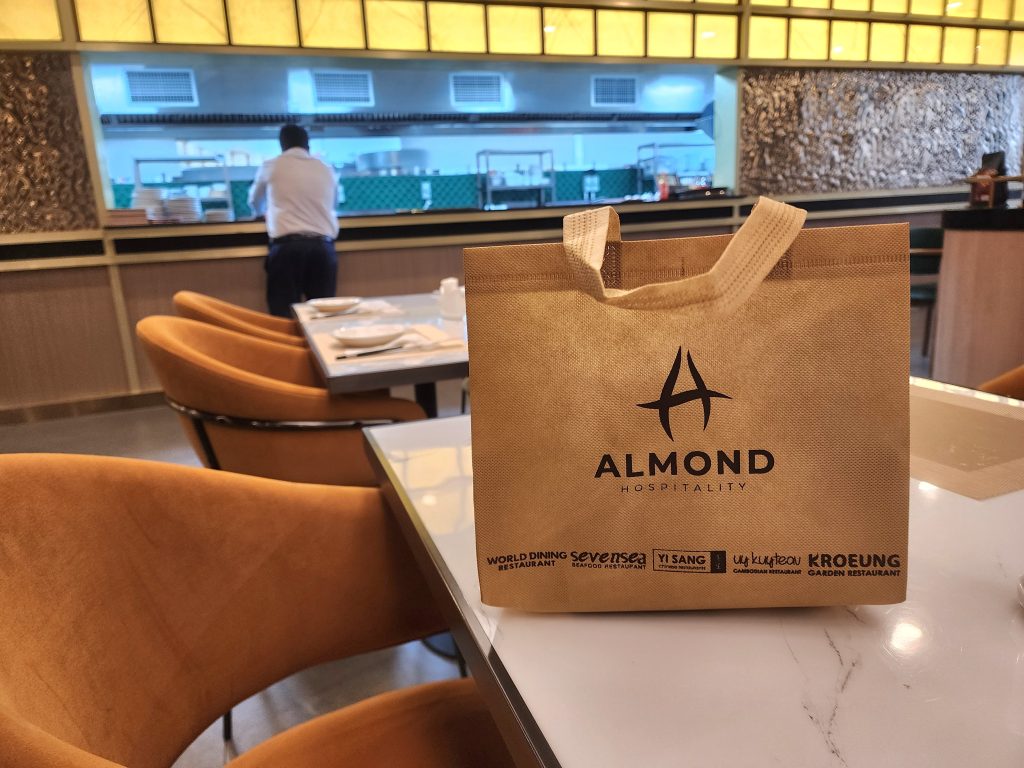
Because it’s located before immigration—and the airport runs efficiently—you can enjoy a meal after check-in without worrying about queues. Likewise, on arrival, it is convenient to head up to the mezzanine for a taste of Cambodia before the drive home. On my most recent visit, I even ordered takeaway for the family.
A Little Touch of the Heart
Dim sum—translated as “a little touch of the heart”—is a highlight of the Yi Sang menu. It is widely considered the finest dim sum in Cambodia, from classics like siu mai and har gow to innovative creations with a Khmer twist.
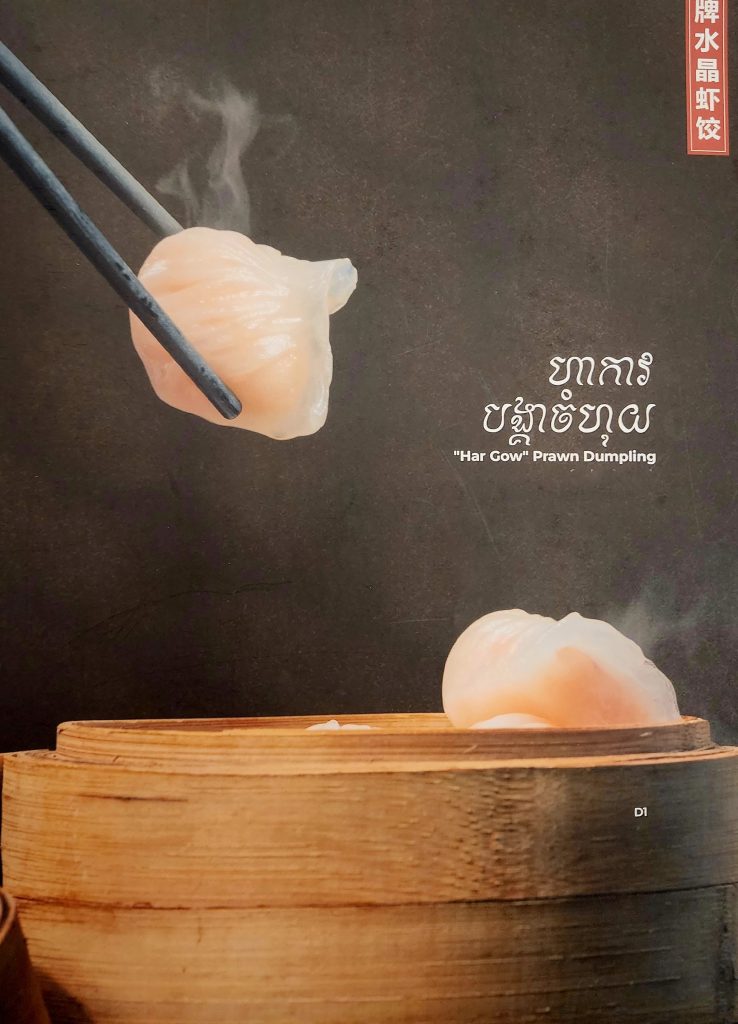
My recent airport meal featured three outstanding additions:
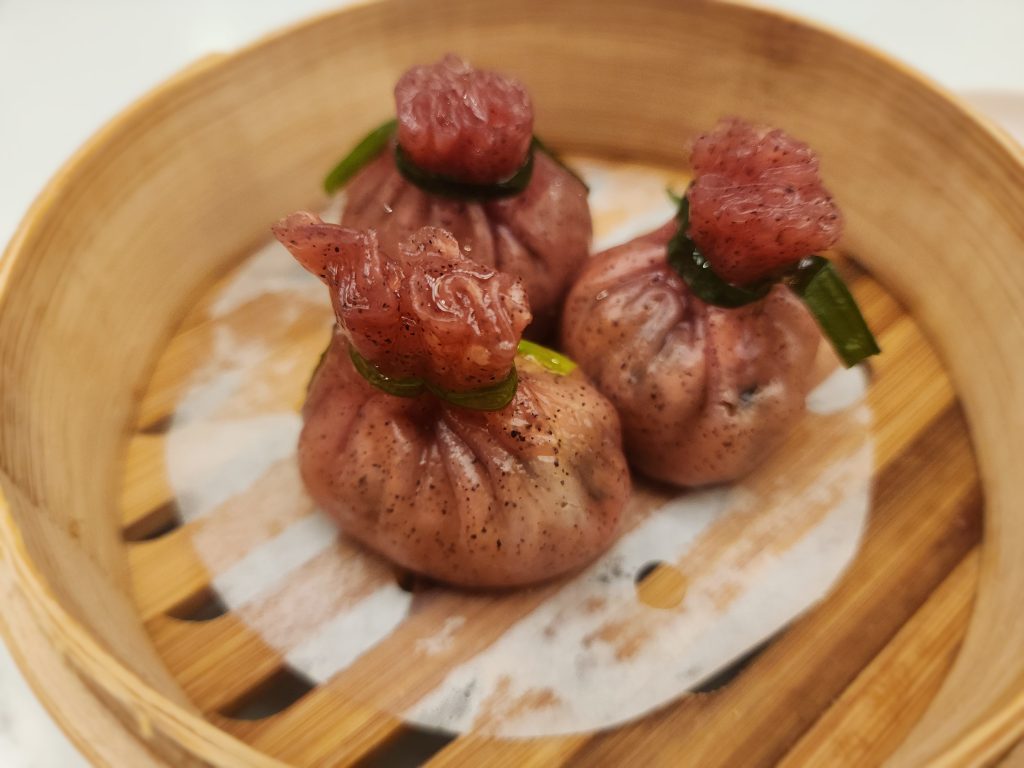
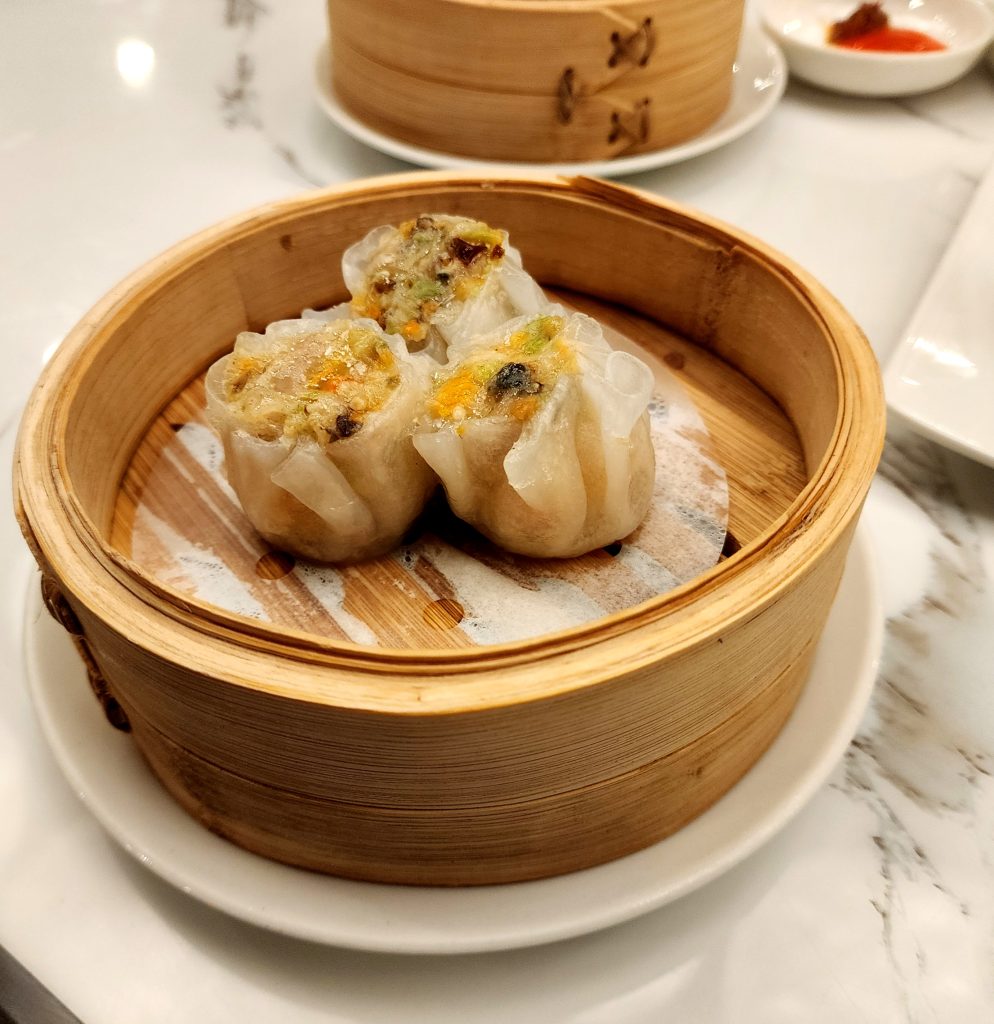
Pork Neck and Prawn Dumpling: Thinly sliced pork neck and prawn are marinated in dragon fruit juice, seasoned with La Plantation Kampot red pepper and local herbs, then wrapped in dragon-fruit-infused dough to form delicate money-bag dumplings. The result is succulent, flavourful, exotic, and visually striking.
Dragon King Siu Mai: An elevated riff of traditional siu mai, this version uses tender squid combined with local spices and La Plantation Kampot white pepper, wrapped in a lightly seasoned seaweed sheet. When properly prepared—exactly as it is here—squid has a naturally sweet tenderness that pairs beautifully with briny notes, lifted spices, and the umami of nori.
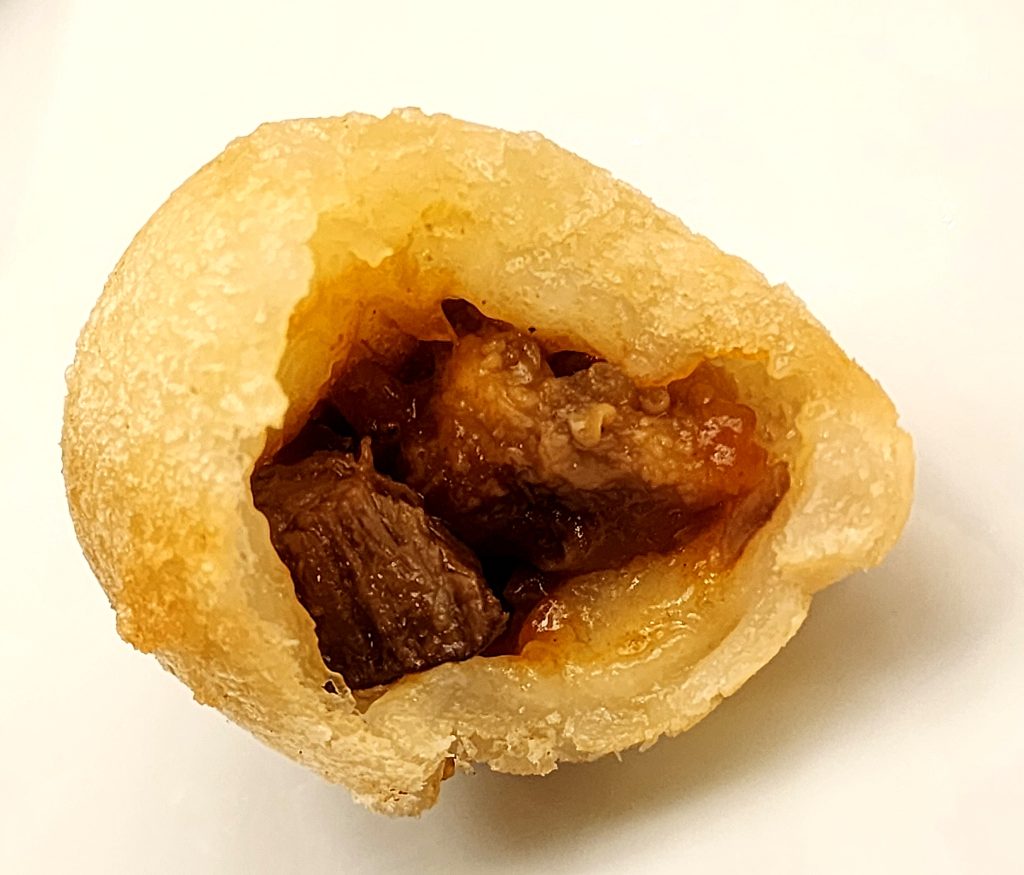
Khor Ko Slow-Cooked Beef-Stew Pastry Puff: Cambodian Khor Ko beef stew features a complex flavor profile that is savory, rich and sweet, with aromatic notes from lemongrass, garlic, and spices like cinnamon and star anise. This long slow-cooking process tenderizes the beef while allowing the rich, fragrant broth to meld with spices, resulting in a hearty and comforting dish, that is a window into Cambodia’s culinary soul.
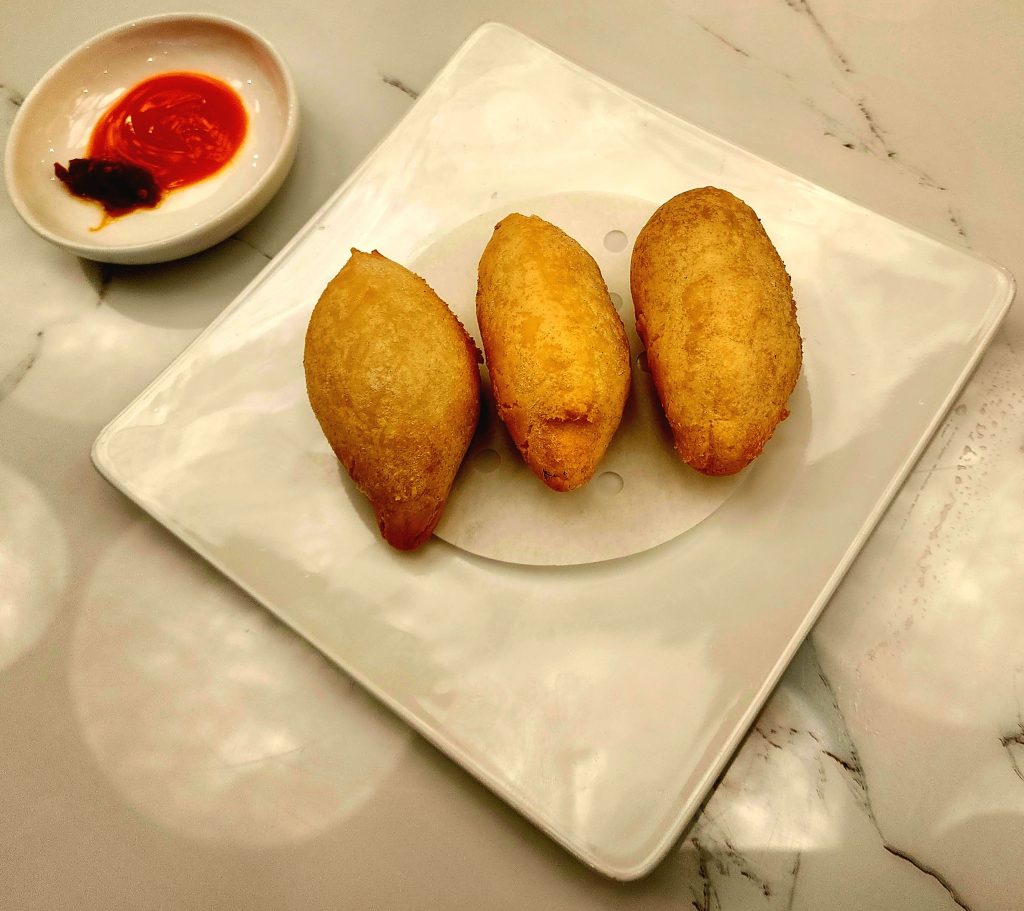
At Yi Sang, Luu Meng has taken this rich stew, and wrapped it in a golden buttery pastry to make a signature dumpling that is deeply enchanting in its flavours and brilliant in its creativity and execution. Seriously addictive.
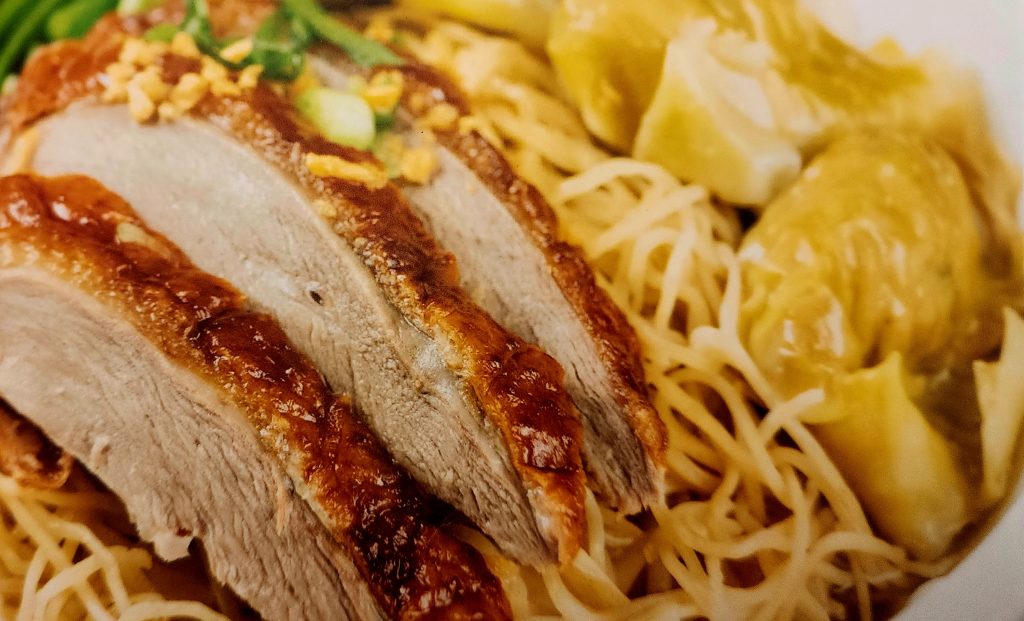
There is also my favourite noodle dish, which locals call kway teow. This name is a loanword from the Teochew Chinese term kway teow, and kuy teav is a popular Cambodian noodle soup often enjoyed in the morning. The dish is composed of rice noodles in a pork broth, often served with dumplings, pork, fried garlic, and herbs. A preference I have maintained over the years is to accompany the dish with both dumplings and slices of tender roast duck.
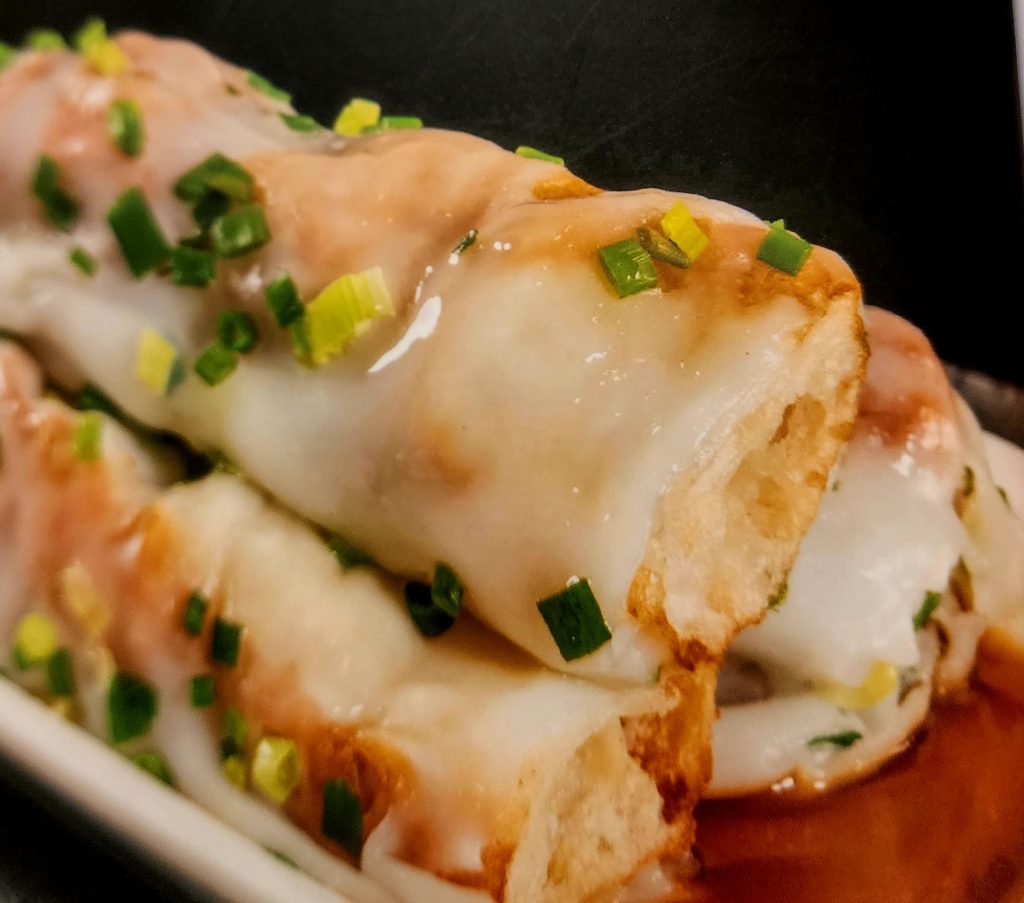
Then there is the Cantonese, steamed rice noodle rolls (chee cheong fun), silky, soft, steamed sheets of rice flour rolled around char siew pork, shrimp, or my choice, wrapped around soft, freshly made cha kway (Youtiao) and served with slices of fresh chive. The dish glides onto the palate before releasing its elegant, subtle flavours.
Lifting Off or Touching Down
It is not only the focus on technique and finesse in the kitchen, but also the strong emphasis on the absolute best produce and a farm-to-table approach to sourcing ingredients that sets Yi Sang apart and produces such exceptional cuisine.
Luu Meng has built a restaurant that appeals across generations, cultures, and tastes, offering a sense of continuity in a city where hospitality trends shift quickly. At KTI, Yi Sang restaurant delivers exactly what it promises: thoughtful cooking rooted in heritage, executed with professionalism, and served with genuine hospitality.
Service at the airport branch is efficient and attuned to travellers’ needs. You are given time to savour your dishes without feeling rushed. Yi Sang is the perfect expression of Khmer comfort and good taste—whether you are leaving for a while or delighted to be back home.
Darren Gall
