The Crystal Dumpling
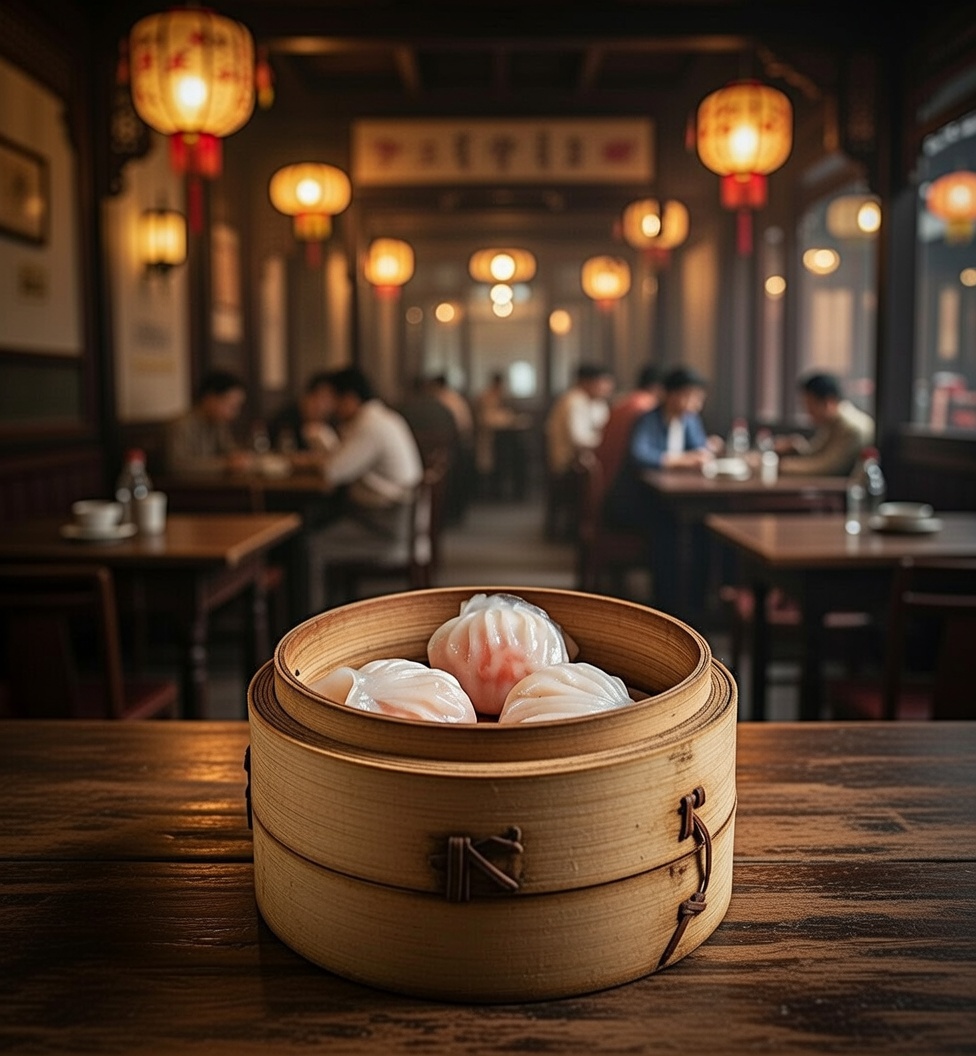
Har Gow 虾饺, those plump purses full of chopped shrimp, often called the queen of dumplings, are one of the ‘Four Heavenly Kings’ of dim sum, along with Siu Mai 燒賣 (pork and shrimp dumplings), Char Siu Bao 叉烧包 (steamed BBQ pork buns), and Dan Tat 蛋挞 (egg tarts).
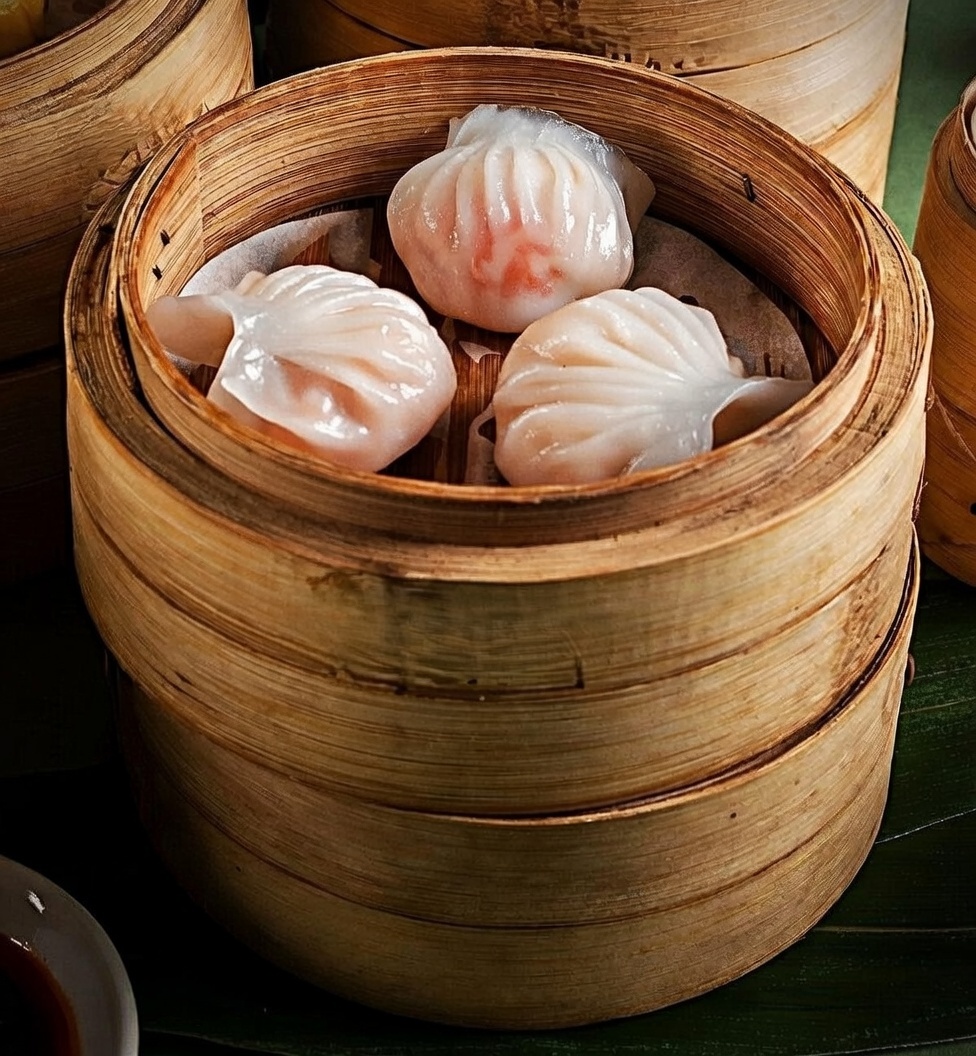
With its translucent, pleated skin, Har Gow resembles a steam basket full of little silk bonnets or shrimp cherubs tucked in for the night. It is, at its heart, about elegant aromas and flavours, delicate skill, and exquisite, presentation. It symbolises the finesse and precision of dim sum cuisine; to create perfect Har Gow is to be considered a dim sum Jedi Master.

A Legacy of the Canton Tea House
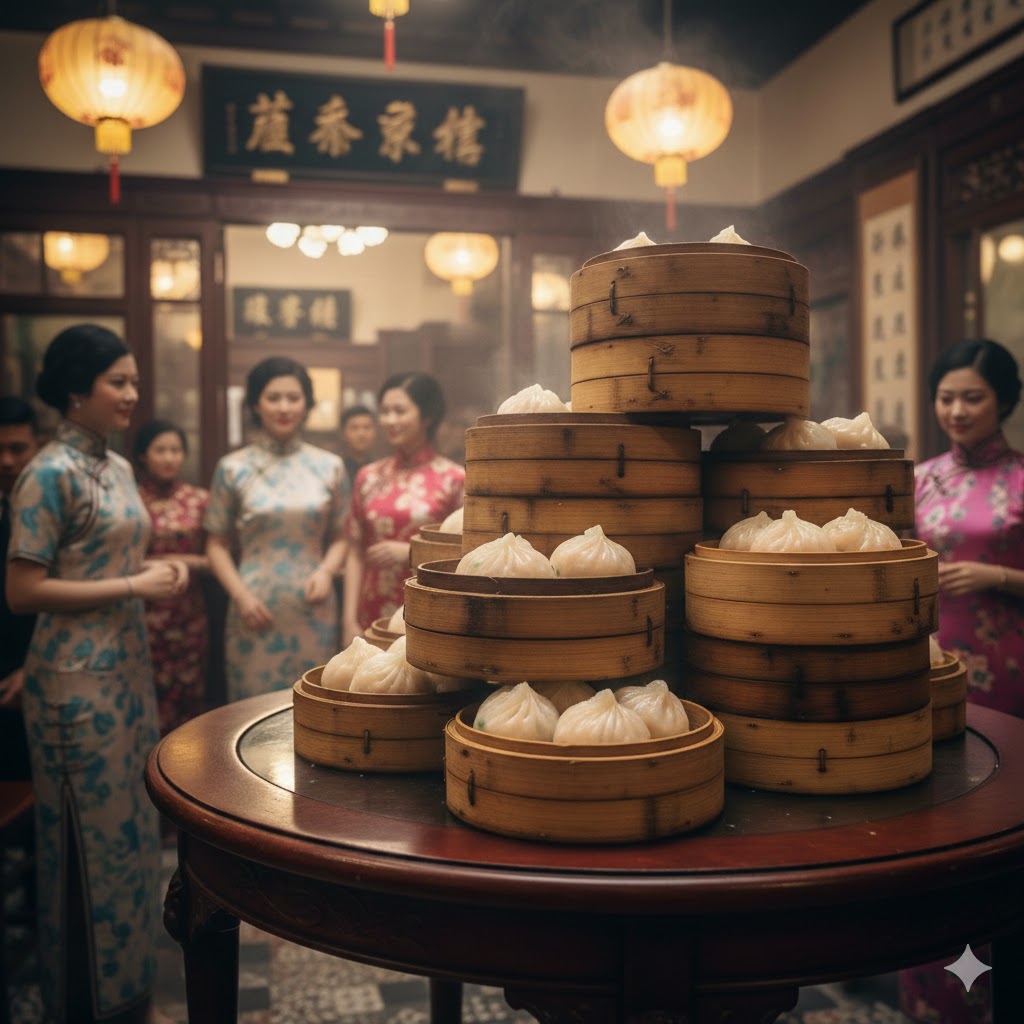
According to folklore, Har Gow’s lineage can be traced back to the competitive teahouses in Guangzhou in the early part of the 20th century. Legend has it that the owner of a shop situated near the Pearl River began buying fresh river shrimp from local fishermen. This enabled him to create the bite-sized morsel that would set his establishment apart. What started as a local specialty soon became the gold standard for yum cha, defining the identity of Old Canton’s bustling tea house cuisine.
The Art of the Pleat
The true magic of the Har Gow lies in its skin. Har Gow’s wrapping requires a delicate blend of wheat starch and tapioca starch, and the dough must be worked with boiling water to achieve its signature crystal-like transparency. The translucence should catch the light and be just enough to reveal the orange hue of the aquatic delicacy that lies within, like a veiled secret.
The skill required is immense; to learn it takes a great deal of patience and time. A master dim sum chef uses a heavy, flat cleaver to flatten a ball of dough into a perfect, paper-thin disk in a single, fluid motion.
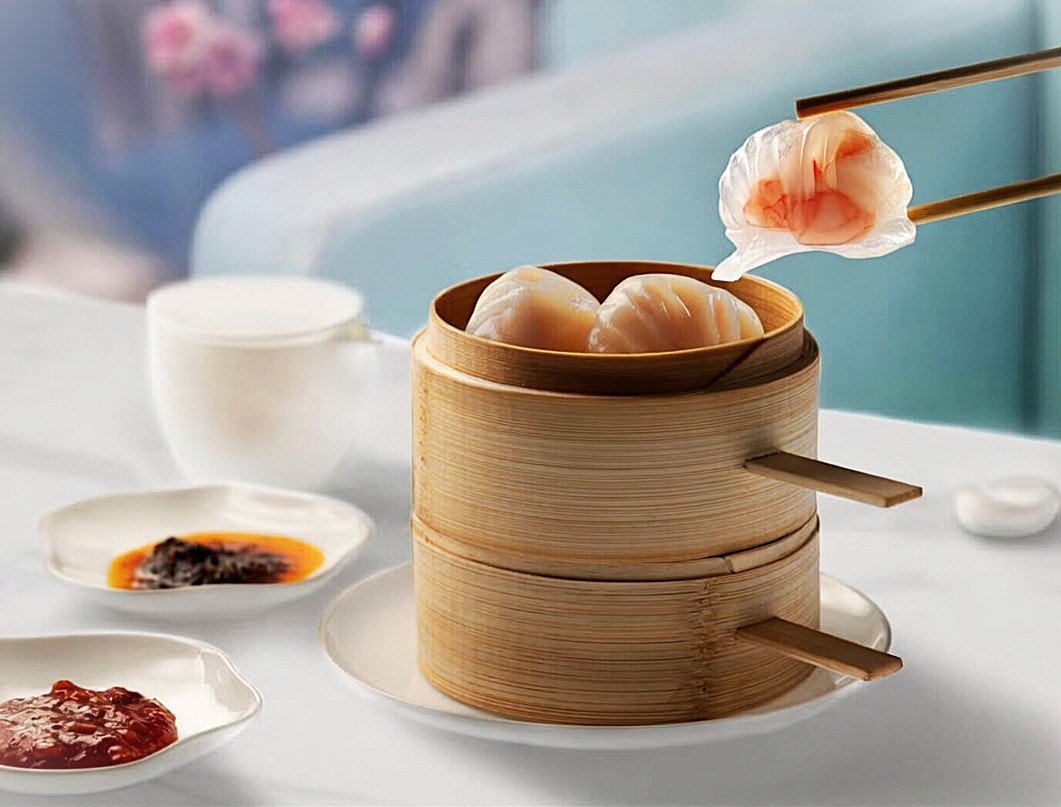
Then comes the pleating—a rhythmic dance of practised fingers. The dish has evolved from the Canton teahouses to a modern, sophisticated classic found in Hong Kong’s finest Yum Cha palaces, and its presentation has evolved along with it. A standard dumpling must have at least seven to ten tiny, uniform pleats in order to create its characteristic silk purse shape. This isn’t just for aesthetics; the pleats create a pouch that allows the shrimp to expand as it steams, ensuring the wrapper doesn’t burst.
The filling must be the freshest shrimp, chopped but not minced to retain its snap, blended with a little added pork fat for richness, some fragrant sesame oil and a little bamboo shoot for crunch. The result is a filling that is succulent, sweet, and juicy in flavour.
The Perfect Bite
The steam basket arrives at the table with the delightful aromatics of fresh, clean shrimp, a subtle earthiness, and a gentle waft of sesame oil.
When executed perfectly, the skin is elastic and firm enough to hold the dumpling’s shape, but it can never be rubbery and must yield easily to the first bite, unlocking the goodness inside. The shrimp is succulent and firm, lightly seasoned with sesame oil and sometimes bamboo shoots. It is a fleeting, elemental masterpiece of texture and temperature.
Serve with Soy & Vinegar: The most basic and popular combo is equal parts soy sauce and Chinese black vinegar (or rice vinegar), perfect for balancing the dumpling’s flavour.
Soy-Vinegar-Chilli: Add minced garlic, chilli oil or chilli slices, and a drizzle of sesame oil to your soy-vinegar base for a spicy kick.
Ginger-Scallion Oil: A fragrant mix of hot oil infused with fresh ginger and scallions, adding aromatic depth.
Going Local
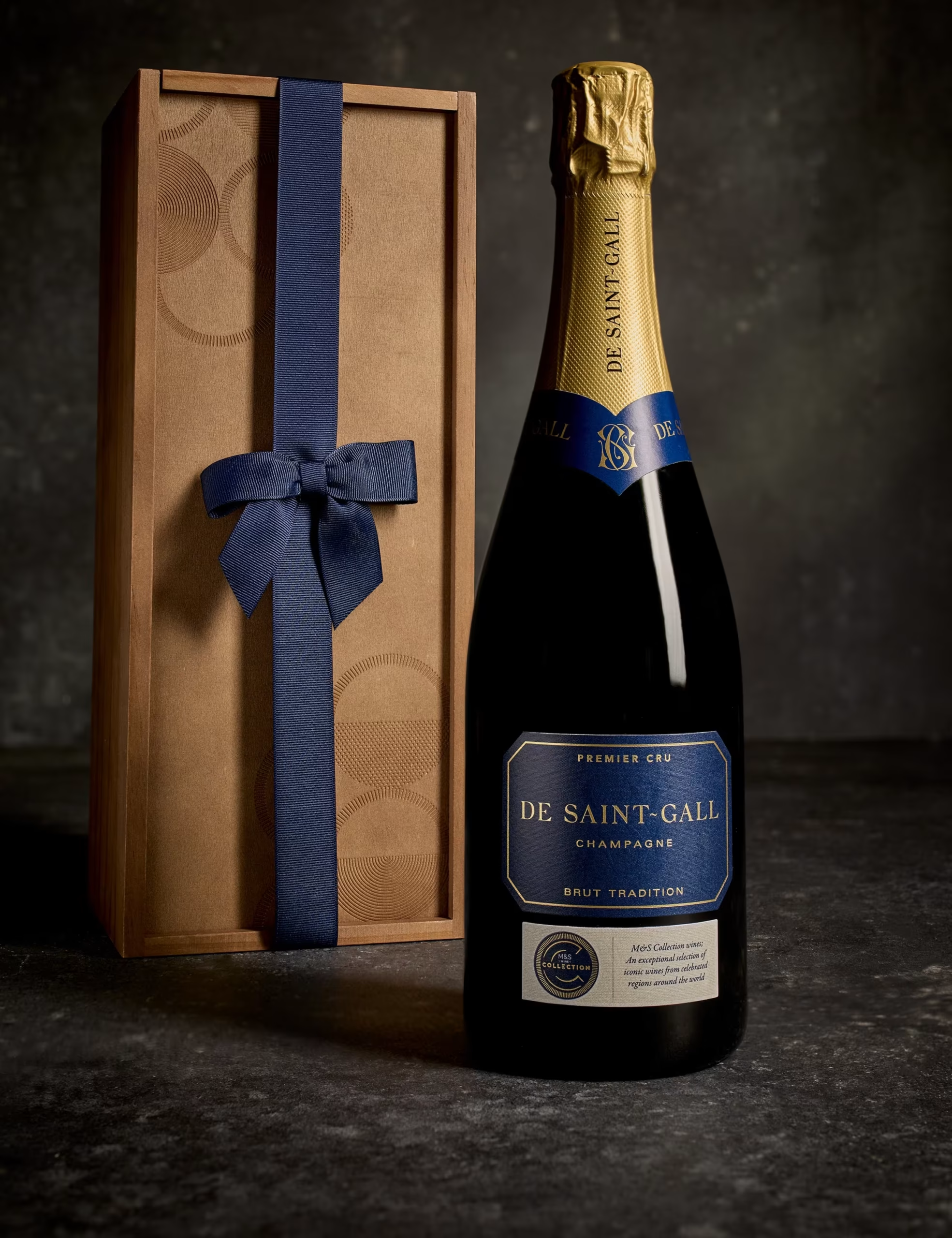
In Phnom Penh, try them at Yi Sang restaurants for some of the best. Pair it with hot jasmine tea and icy cold French Champagne.
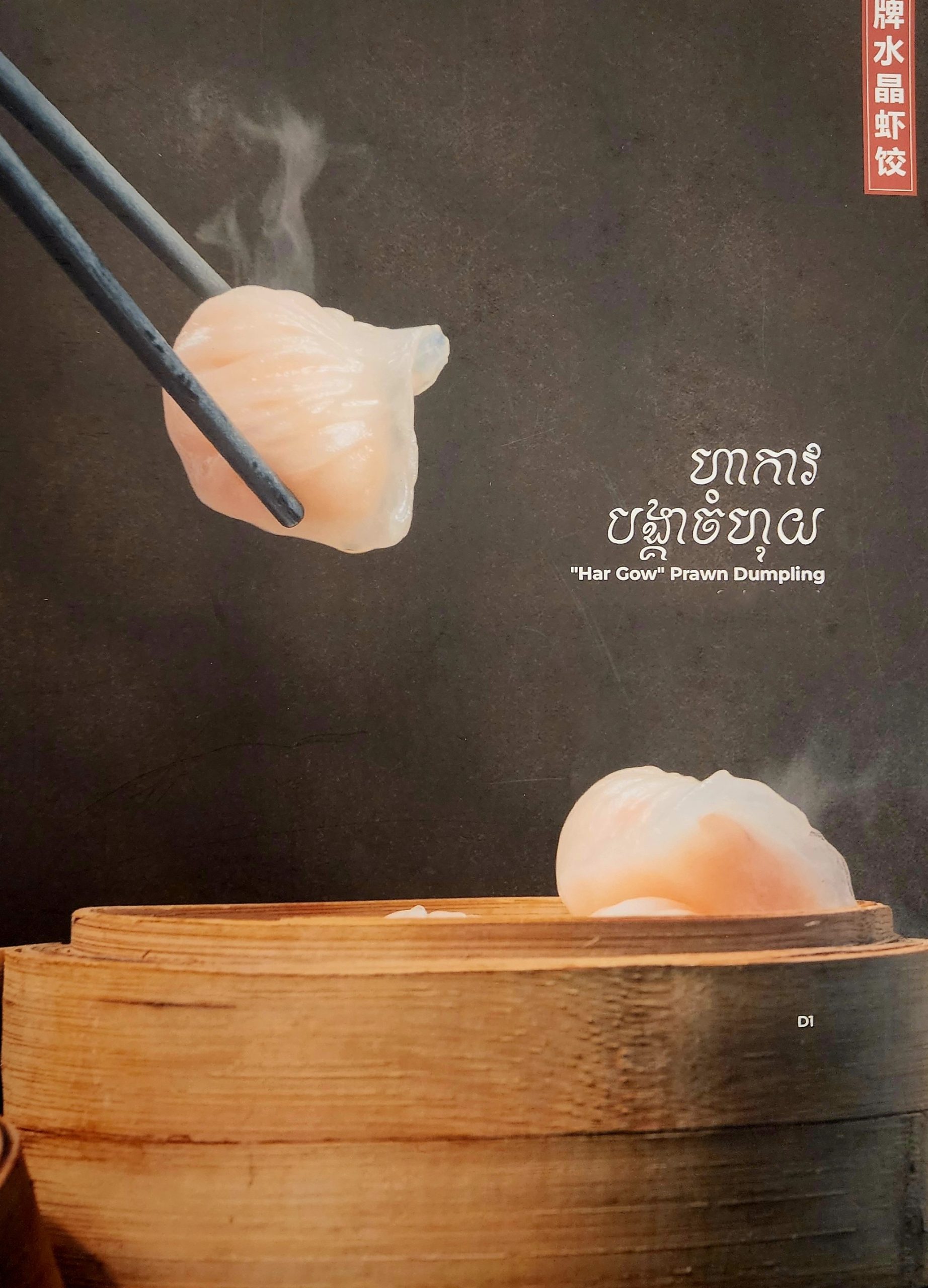
Har Gow has the honesty and simplicity of a first kiss, and yet all the intricacy and complexity of the promise that lies beyond it.
One thing is certain: you will never stop at just one.
Darren Gall