Tasting Clouds
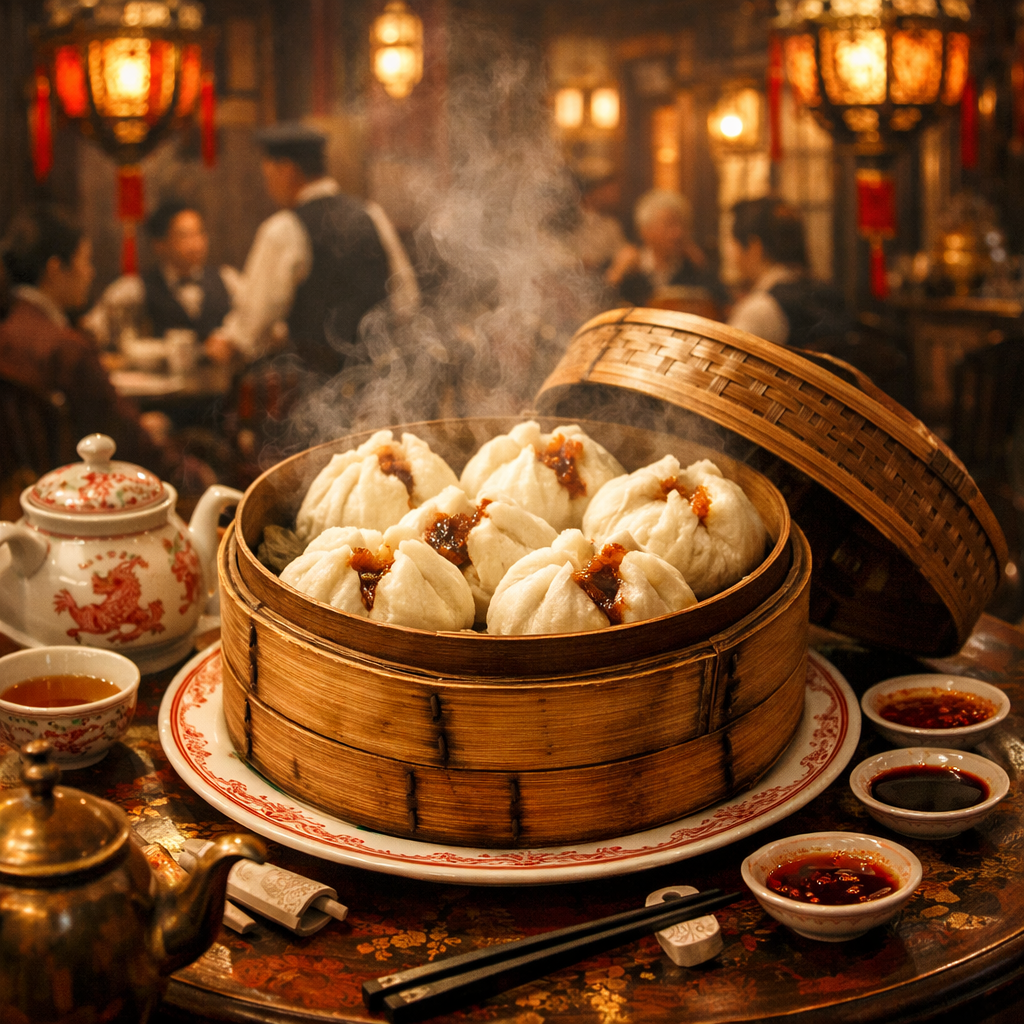
Char Siu Bao 叉烧包 steamed BBQ pork buns
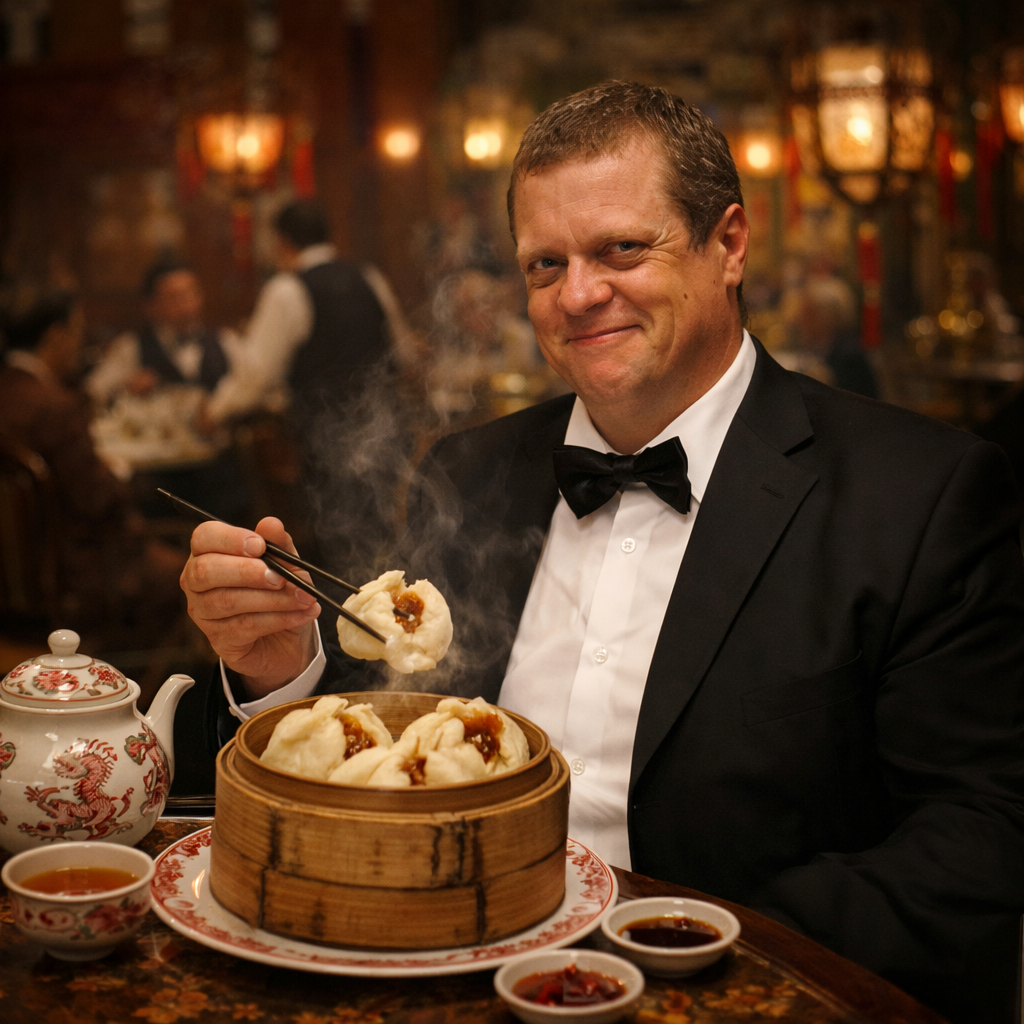
When feasting on dim sum, there is always that brief, exciting little moment of anticipation when the lid of the steam basket is gently lifted, and through little swirls of rising steam, one gets a first glimpse at the delicious little prizes that lie within.
When it is the fluffy white puffs of Char Siu Bao buns bursting out of the top of their basket, looking for all the world like perfect little cumulus clouds dappled with the red of a painter’s brush —pulses quicken with excitement, children kneel up on their chairs for a better angle of attack, and mother will need to head off any flash of duelling chopsticks.
For here is one of the ‘Four Heavenly Kings,’ along with Siu Mai 燒賣 (pork and shrimp dumplings), Har Gow 虾饺 (shrimp dumpling), and Dan Tat 蛋挞 (egg tarts), which are the absolute foundation of a traditional, authentic dim sum meal. Bao buns are parcels of goodness that project generosity, comfort, and family love.
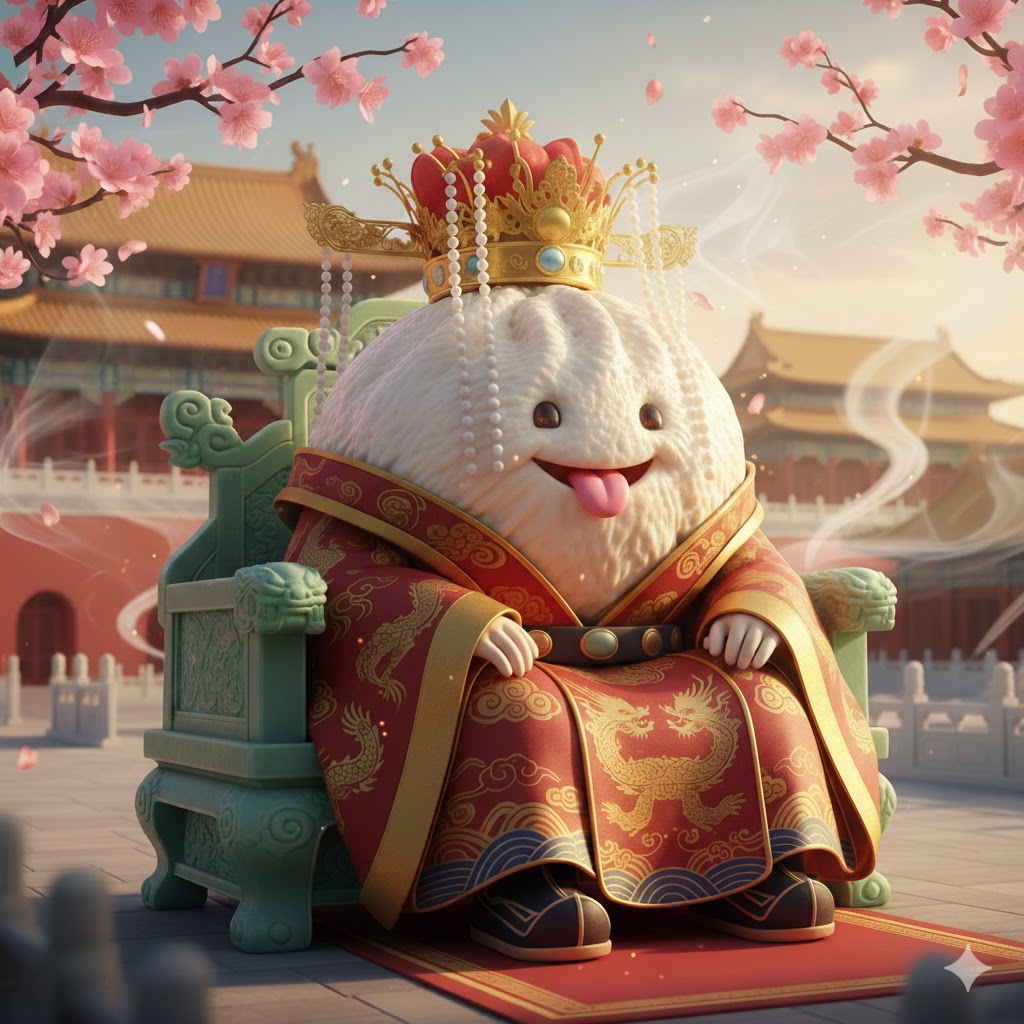
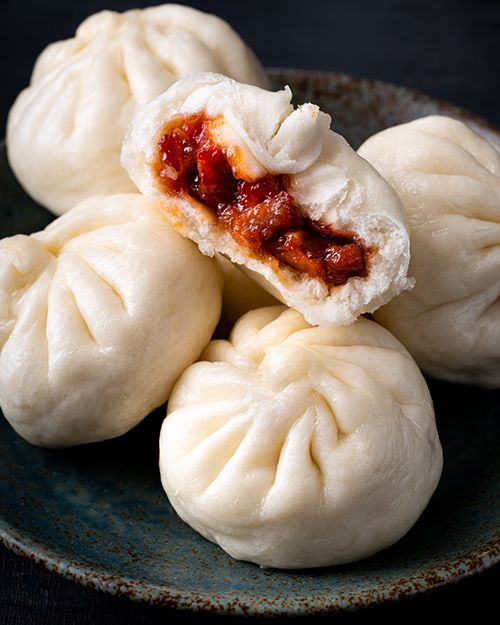
Light and airy as cotton buds, warm in the hand, the folds are torn back to reveal the ruby red jewel of deliciousness inside. The filling is a heart-warming burst of rich, sweet, savoury and umami flavours. Moist, tender glazed pork folded into a rich, sticky, irresistible sauce.
The origins of char siu bao lie in southern China, particularly Guangdong, where char siu—pork roasted over open flame and lacquered with honey, soy, and fermented bean paste—has been prepared for centuries. As teahouses ‘chá lóu 茶樓’ flourished during the Qing dynasty, cooks sought ways to repurpose leftover char siu into small, portable bites that paired naturally with tea. Wrapped in dough and steamed to a puffy softness, the bun became a staple of yum cha, designed not to impress through spectacle, but through consolation and a humble charm.
The filling begins with diced char siu pork, its caramelised edges carrying notes of smoke, sweetness, and umami. This is folded into a glossy sauce made from oyster, hoisin, soy (light & dark), sugar, sesame oil, five-spice and often a whisper of Shaoxing wine. Cornstarch or flour thickens the mixture, creating the signature lusciousness that clings to the meat and bursts gently onto the palate.
The bun itself is deceptively complex. Made from wheat flour, yeast, sugar, water, and sometimes a touch of oil or milk, the dough must be kneaded until elastic, then rested to allow fermentation. In southern traditions, a small amount of baking powder is added just before shaping, ensuring a brilliant white crumb and a texture so tender it tears rather than resists. Each bun is pleated by hand, sealed like a small purse, then steamed rather than baked—an act that preserves moisture and produces the bun’s iconic, snowy softness.
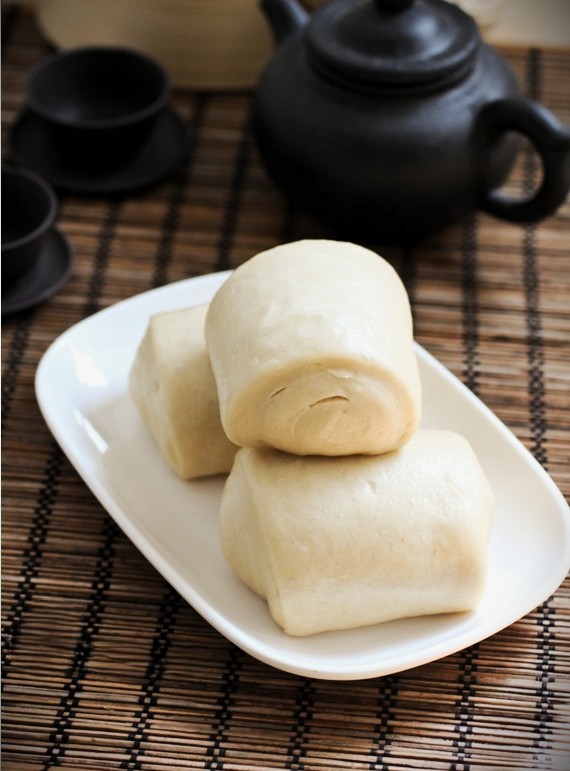
Mantou 馒头
To further understand the Char Siu Bao, one must look to its ancestor: Mantou (馒头), the humble steamed bread that has fuelled China for almost two millennia. While rice is the heartbeat of the south, wheat is the titan of the north, and mantou is its most celebrated form.
The Legend of the ‘Barbarian’s Head’
Gao Cheng, in his encyclopaedic work, The Origin of Things (事物紀原, Shiwu Jiyuan), written during the Northern Song Dynasty, describes the earliest documented appearance of mantou.
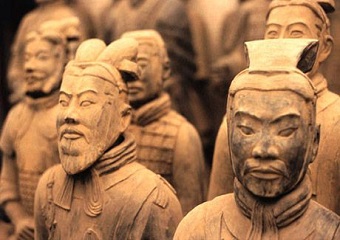
During the Three Kingdoms Period (AD 220-280), the brilliant military strategist Zhuge Liang led his army to a treacherous, storm-tossed river. He was informed that it was only by sacrifice and the offering of fifty human heads that the river deity would be appeased and the river could be safely crossed.
Unwilling to shed the blood of his people, Zhuge Liang ordered his cooks to fashion buns from wheat dough, fill them with meat, and shape them into the form of human heads. He threw the buns into the river, and the deity, deceived, allowed Zhuge’s army to cross. These creations were named mantou—literally “barbarian’s head” and the name stuck.
From Bread to Bun
Historically, the distinction between “bread” and “bun” was fluid. For centuries, mantou referred to both filled and unfilled steamed dough. It was not until the Song Dynasty (960–1279 AD) that the term baozi (wrapped thing) emerged to specifically describe filled buns, leaving mantou to represent the plain, pillowy loaves we know today.
In Northern China, mantou remains a dense, sturdy staple, often eaten as a neutral accompaniment to salty pickles or braised meats. However, as the technique travelled south to the refined tea houses of Guangdong, the bread was transformed. It became lighter, fluffier, and more delicate—eventually evolving into the airy, blooming cotton puff that perfectly cradles the savoury Char Siu inside.
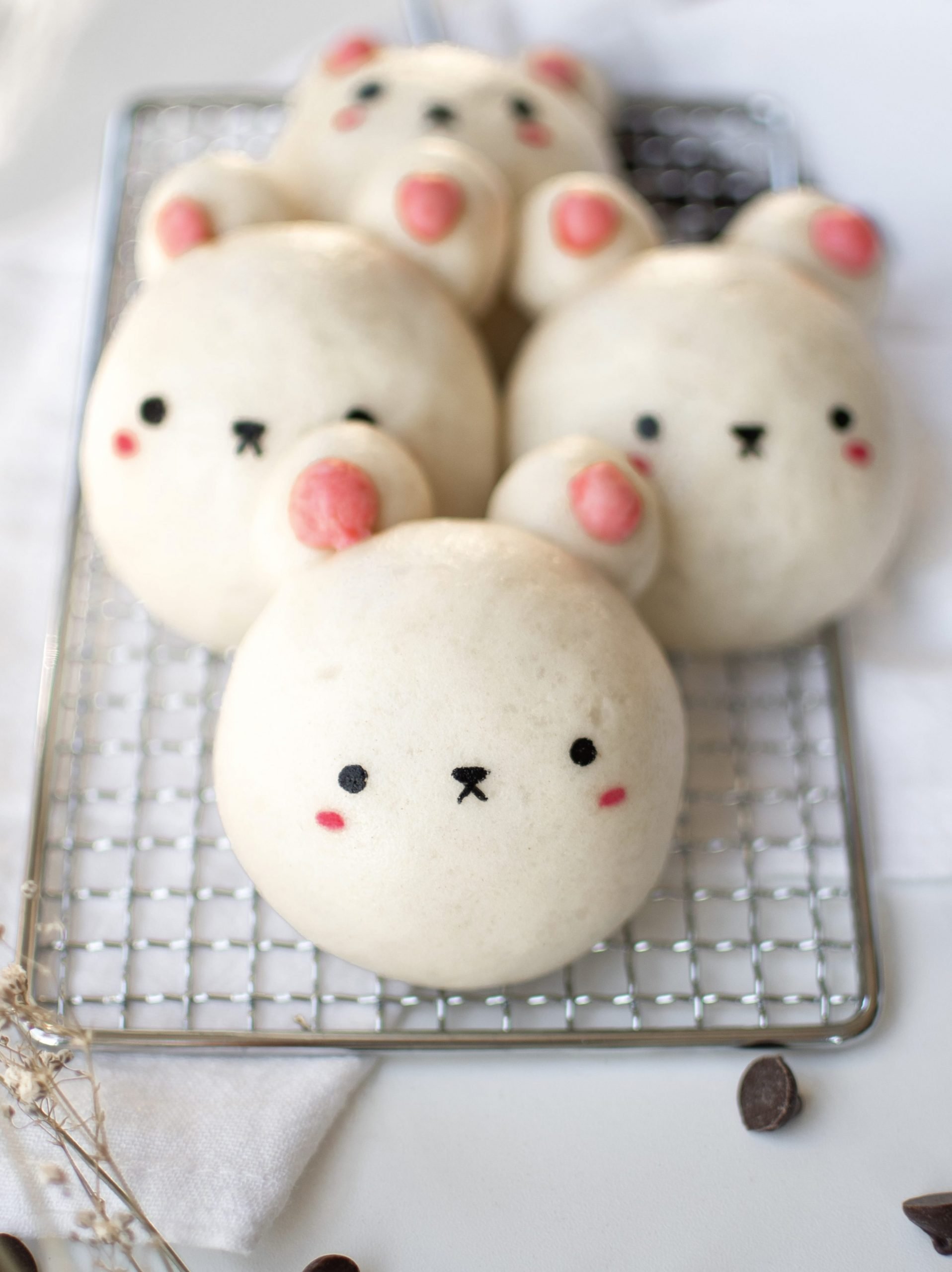
Today they are made with a wide variety of fillings and can be both steamed, or fried, savoury or sweet, some shaped and coloured to represent cute little animals or faces, that children love.
To eat Char Siu Bao is to taste a dish that goes to the very heart of Chinese cuisine, the culinary meeting point between north and south, and a hybrid of the quintessential northern Chinese comfort food and an elevated member of Southern Chinese dim sum royalty.
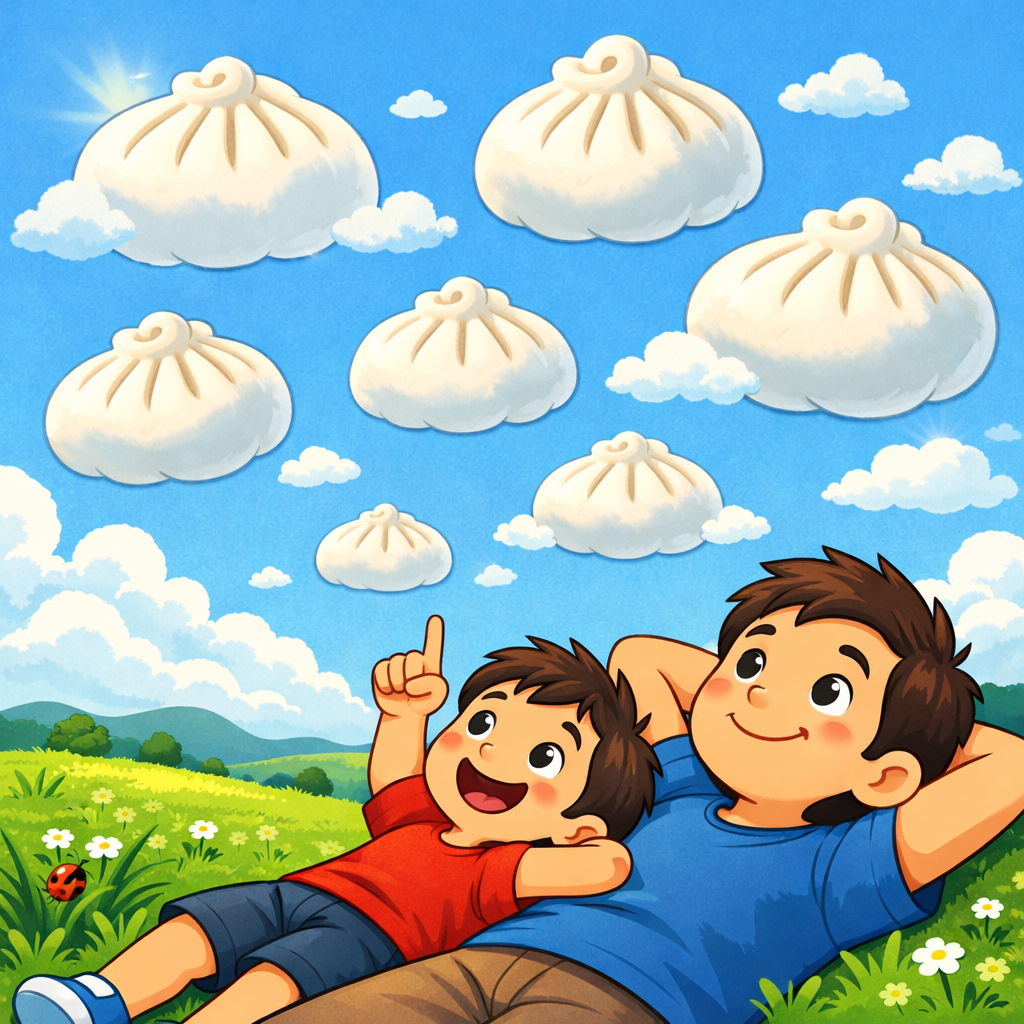
My seven-year-old son once asked me if people could eat clouds, as if they were cotton candy. Here are pillows of the softest, freshest, lightest steamed bread, filled with a rich, smoky, tender, sweet and savoury filling. They might not take you all the way to heaven, but it will certainly feel like you can taste the clouds.
Try it at Sevensea or Yi Sang restaurants in Phnom Penh.
Darren Gall