
Stressed Vines
Australia’s Wine Industry Faces a Reckoning on Grape Pricing
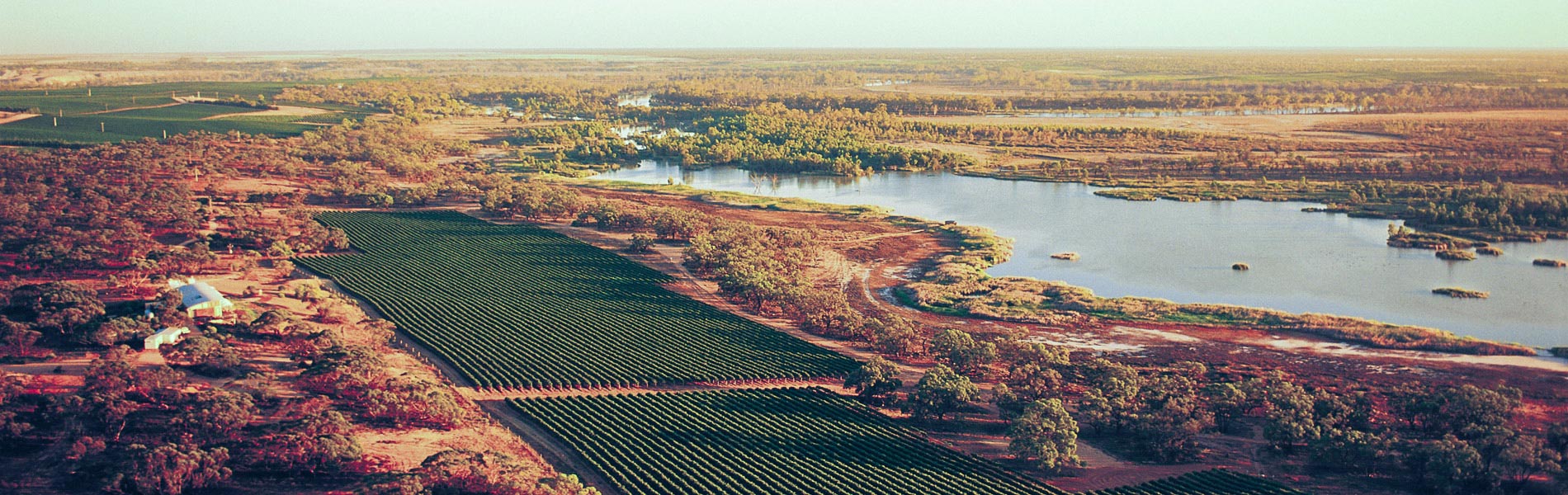
ADELAIDE — For generations, Australia’s wine grape growers have entered each harvest with little more than hope and habit to guide them. In the broad inland regions that supply the bulk of the nation’s commercial wine—Riverland, Riverina, and the Murray Valley—many growers have historically delivered fruit without knowing what it would ultimately be worth. Prices were often finalised months after the grapes had been crushed, leaving farmers to shoulder the financial risk of an increasingly volatile market.
That long-standing imbalance is now set for a fundamental reset.
The federal government has confirmed the introduction of a mandatory Wine Grape Code of Conduct, to be enforced by the Australian Competition and Consumer Commission (ACCC) from 1 January 2027. The move marks the most significant regulatory intervention in Australia’s wine sector in decades, replacing a voluntary system widely criticized as ineffective and unenforceable.
The aim is clear: to curb the market power of large wine processors, improve price transparency, and restore a measure of commercial certainty to growers who have endured years of declining returns.
A System Under Strain
The push for reform follows what policymakers and growers alike have described as a prolonged market failure. While premium wine regions have largely remained insulated, the warm inland zones—responsible for the majority of Australia’s wine volume—have been caught in a perfect storm of oversupply, falling consumption, and global inventory build-ups.
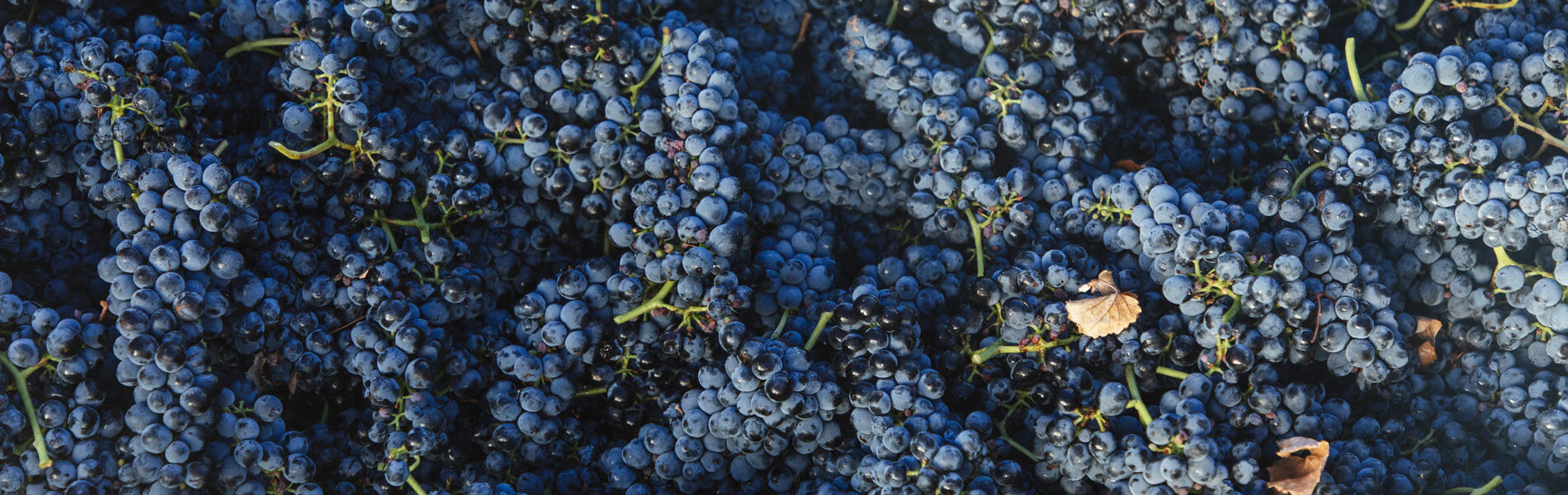
In the vintage of 2025, red grape prices in many inland regions remained at or below $300 per tonne, levels not seen in more than a decade. For many growers, this is well below the cost of production, particularly as water, energy and labour expenses continue to rise. The result has been a steady erosion of vineyard viability, with thousands of hectares removed or left unharvested.
The voluntary code introduced in 2020 was intended to address these issues, but participation by major winemakers was optional. Many of the largest processors chose not to sign on, limiting the code’s impact and reinforcing perceptions that it lacked credibility.
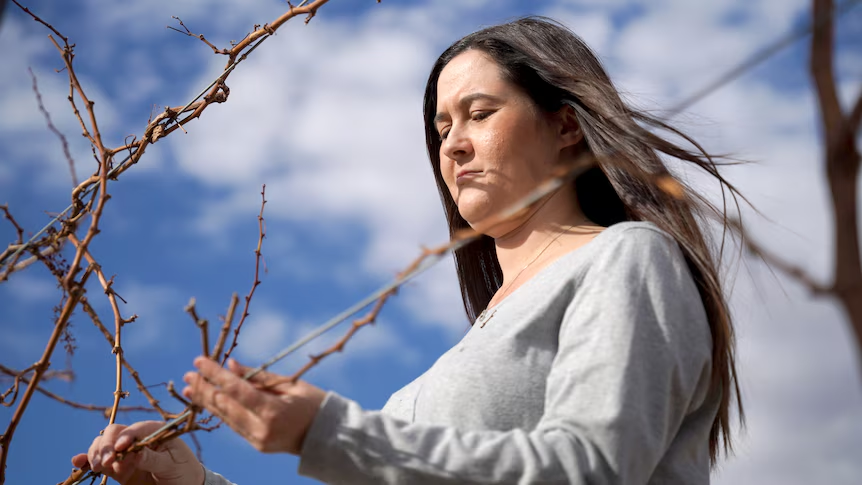
“You cannot have one side operating under a code of conduct while the other side simply opts out,” says Riverland grower Amanda Dimas, who has been among the most vocal advocates for reform. “That is not a functioning market.”
What Will Change in 2027
The mandatory code will fundamentally alter how large wineries engage with growers. While final details are still being settled through consultation, several core elements are already clear.
Large wine processors will be required to negotiate in good faith, with enforceable obligations around transparency and fairness. Crucially, they will also be expected to provide indicative prices earlier in the season, allowing growers to make informed decisions about whether harvesting is economically viable.
The ACCC will oversee compliance, with the power to investigate breaches and impose penalties—providing the enforcement “teeth” that growers argue have been missing for years. Dispute resolution processes, particularly around quality assessments and pricing downgrades, will move from informal, non-binding mechanisms to legally enforceable outcomes.
Industry groups have long argued that disputes over sugar levels, colour and other quality metrics have often been subjective, leaving growers with little recourse once fruit is delivered. The new framework is intended to rebalance that dynamic.
Information as Leverage
While the 2027 start date looms, efforts are already underway to address the information asymmetry that has defined grape pricing negotiations.
Wine Australia’s Grape Price Indicators Dashboard, launched recently, aggregates market data to provide indicative price trends based on supply, inventory, and historical performance. Though not binding, the tool offers growers a level of market intelligence previously available only to large corporate buyers.
For the first time, a small grower can walk into negotiations armed with independent data rather than intuition or precedent. The dashboard is widely seen as a transitional step—useful, but not a substitute for regulation.
Pressure to Act Sooner
Despite bipartisan support for the mandatory code, many growers argue the timeline is too slow. With vineyard exits accelerating, pressure is mounting to bring forward key elements of the reforms.
The South Australian Government is now considering state-based legislation that could compel earlier price disclosures ahead of the 2026 vintage. Growers warn that waiting until 2027 risks further irreversible damage.
“The crisis is not theoretical,” says one industry representative. “A farmer who cannot cover water costs this year will not still be around when the code begins.”
Winemakers, however, have urged caution. Some warn that mandated payment terms and earlier price commitments could strain the cash flow of mid-sized wineries, potentially reducing competition and shrinking the pool of buyers—an outcome that could ultimately harm growers as well.
A Global Problem, a Local Test Case
Australia’s wine glut is part of a broader international trend. Declining wine consumption in key export markets, combined with years of strong production, has left global inventories bloated. In Australia alone, excess stock has been estimated at more than 250 million litres, exerting sustained downward pressure on prices.
What sets Australia apart is its willingness to intervene structurally. If the mandatory code succeeds in restoring transparency and bargaining balance, it could become a model for other agricultural sectors where farmers face similar power imbalances.
The Road Ahead
As the industry edges toward the 2027 deadline, uncertainty remains. Consultation between government, regulators and industry bodies will continue throughout 2025 and 2026, shaping the final contours of the code.
For growers, the hope is modest yet profound: that by the time the new rules take effect, the biggest risk in their business will once again be the weather, not the price.
Darren Gall
for further research
